That Farmers Market Look
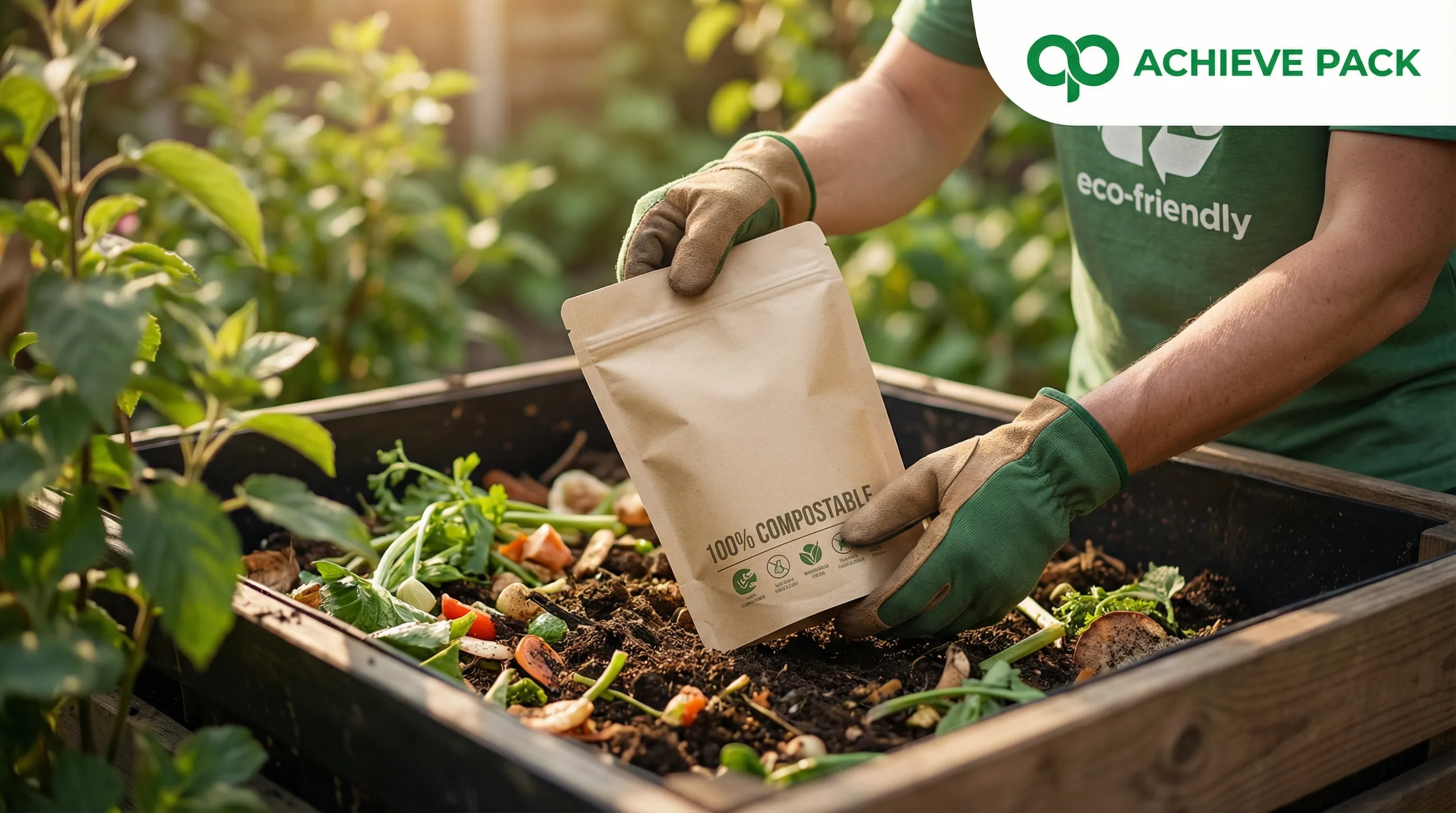
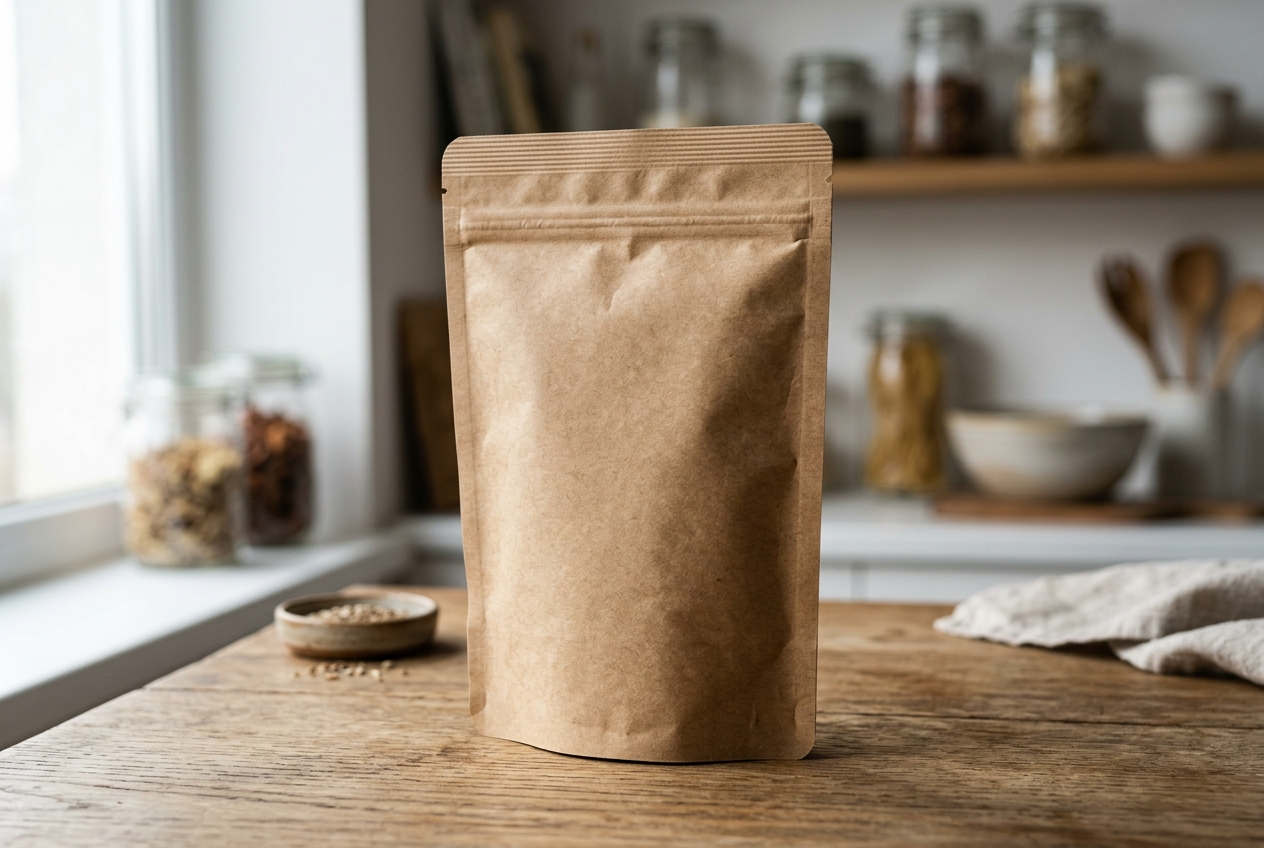
Beautiful kraft paper pouches for products that don't need Fort Knox protection. Home compostable options, artisan vibes, your customers' favorite aesthetic.
Quick Summary
When your product moves fast enough that you don't need 18-month shelf life. Kraft low barrier gives you the eco-credentials and artisan look without paying for protection you don't need.
 BY RYAN WONG, ECO PACKAGING PROTOCOL
Overview
Kraft Low Barrier packaging combines the natural aesthetic of kraft paper with basic moisture protection, ideal for dry goods and products with shorter shelf life requirements.
Key Features
- • Natural kraft paper appearance with rustic appeal
- • Basic moisture barrier protection (3-6 month shelf life)
- • Cost-effective solution for dry products
- • Excellent printability for branding
- • Recyclable and sustainable material
Perfect for bakery items, dry snacks, coffee beans (short-term), nuts, granola, and other low-moisture products that don't require extended shelf life.
Technical Specifications
Our kraft low barrier structure provides basic protection for short-to-medium shelf life products.
Material Structure
Kraft Paper / Low-Density PE coating
- • 70-100g kraft paper base
- • Food-safe PE inner layer
- • Heat-sealable construction
Barrier Properties
Low oxygen and moisture protection
- • MVTR: 5-10 g/m²/day
- • OTR: 100-200 cc/m²/day
- • Shelf life: 3-6 months
Available Formats
- • Stand-up pouches
- • Flat bottom bags
- • Side gusset bags
- • Flat pouches
Customization
- • Digital or plate printing
- • Zip lock closures
- • Tear notches
- • Custom sizes
Ideal Applications
Kraft low barrier packaging is perfect for products that don't require extended protection from oxygen and moisture.
Advantages & Limitations
Best For
- ✓ Low-moisture dry products
- ✓ Short shelf life requirements (3-6 months)
- ✓ Cost-sensitive applications
- ✓ Eco-conscious brands seeking natural look
- ✓ Bakery and snack foods
Considerations
- • Not suitable for moisture-sensitive products
- • Limited oxygen barrier
- • Shorter shelf life than high barrier options
- • Not recommended for fatty/oily products
- • May require inner liner for greasy items
Industry Applications
Kraft low barrier is the most sustainable kraft option, perfect for dry goods with short turnover:
Bakery & Confectionery
- • Artisan Bread: Breathable kraft bags
- • Cookies: Quick turnover products
- • Pastries: Short shelf life items
Dry Goods & Grains
- • Flour & Baking Mixes: Cost-effective packaging
- • Pasta: Dry product protection
- • Rice & Grains: Bulk packaging
Eco-Conscious Brands
- • Zero-Waste Stores: Refill packaging
- • Farmers Markets: Local produce bags
- • Organic Brands: Natural positioning
Customer Success Stories
"Switched all our bread bags to kraft low barrier. Customers love the natural look and often reuse the bags. Perfect for our daily fresh-baked products."
"Kraft pouches align perfectly with our sustainability mission. Customers can recycle them with paper waste or even compost PE-free versions."
MarketData Market & Performance Data
70%
Renewable Content
3-6
Months Shelf Life
-70%
CO₂ vs Plastic
FSC
Certified Available
Low Barrier Kraft Specifications
| Property | Value | Notes |
|---|---|---|
| Structure | Kraft / PE coating | Simple 2-layer |
| Kraft Weight | 70-100g | Standard paper weight |
| MVTR | 5-10 g/m²/day | Basic moisture barrier |
| OTR | 100-200 cc/m²/day | Limited oxygen barrier |
| Shelf Life | 3-6 months | For dry products |
Sustainability Benefits
70%+
Renewable kraft content
Paper
Recycling stream compatible
-70%
CO₂ vs plastic bags
Material Comparison
Compare kraft low barrier with other kraft and eco options:
Kraft Barrier Levels Comparison
| Criteria | Low Barrier | Medium Barrier | High Barrier |
|---|---|---|---|
| Best Products | Bakery, dry goods | Coffee, nuts, snacks | Pharma, freeze-dried |
| Shelf Life | 3-6 months | 6-12 months | 12-24+ months |
| Sustainability | Best | ||
| Cost | $ Lowest | $$ Mid | $$$ Premium |
| Recyclability | ✓ Paper stream | △ Limited | ✗ Not recyclable |
Quick Decision Guide
Choose Low Barrier if:
- • Dry goods with short shelf life
- • Sustainability is top priority
- • Budget-conscious packaging
Choose Medium Barrier if:
- • Need 6-12 month protection
- • Coffee, nuts, premium snacks
- • Learn more →
Choose High Barrier if:
- • Maximum shelf life needed
- • Sensitive products
- • Learn more →
Sustainability
Kraft paper is one of the most sustainable packaging materials available today.
Renewable Material
Made from sustainably sourced wood fibers. FSC certified options available.
Recyclable
Paper components can be recycled in standard paper recycling streams.
Lower Carbon Footprint
70% less CO₂ emissions compared to plastic packaging.
5 Common Kraft Low Barrier Problems (And Solutions)
Moisture Penetration & Staling
Standard low-barrier kraft paper allows rapid moisture transmission, causing crispy foods like bakery goods or cookies to lose freshness quickly. Solution: Integrate a micro-thin, food-safe internal lining (like LDPE or bio-based PLA) that seals the paper pores and extends product crispness.
Grease Staining & Oil Seepage
Oils and fats from baked products easily seep through paper, creating unsightly greasy spots on the outer pouch layer. Solution: Apply a fluorine-free greaseproof treatment or integrate a high-density oil-resistant inner lining to maintain a clean appearance.
Poor Heat Seal Integrity
Natural kraft fibers act as a heat barrier, causing uneven temperature distribution and weak, leaky seal seams on filling lines. Solution: Optimize the thickness of the heat-sealable layer and use precise dwell time settings to ensure uniform hermetic sealing.
Tearing & Shipping Damage
Low-barrier kraft paper is prone to punctures and tearing under rough handling or high transit vibration. Solution: Utilize long-fiber virgin kraft paper to maximize tensile strength and enhance durability against punctures.
Ink Smudging on Porous Paper
The highly porous surface of natural kraft paper absorbs ink unevenly, leading to blurred graphics and ink rub-off. Solution: Employ specialized water-based flexographic inks coupled with pre-print corona treatment to lock graphics securely to the paper surface.
HP Indigo Color Accuracy & Printing Proofs
Low-MOQ runs must deliver enterprise-level visual branding. We inspect color alignment tolerances, ink adhesion strength, and white underprint opacity using spectrophotometer color matching to ensure pixel-perfect pouch graphics.
Color Matching (X-Rite)
Spectrophotometer validation ensuring brand color consistency across batches.
Ink Adhesion Test (ASTM D3359)
Tape peel test to ensure ink does not peel or scratch during shipping and handling.
White Ink Underprint Opacity
Ensures rich, vibrant colors when printing on transparent or brown kraft films.
Digital Press Calibration
HP-validated polymer ink integration, offering excellent heat and rub resistance.
Lamination Peeling Force
Ensures the printed film layer never delaminates or separates from barrier layers.
VFFS Low-Temp Sealing
Ensures digital-printed pouches seal perfectly on standard heat-sealer jaws.
Frequently Asked Questions
What is the shelf life for products in kraft low barrier packaging?▼
Can kraft low barrier packaging be used for coffee?▼
Is this packaging food safe?▼
What is the minimum order quantity?▼
Related Resources
BPI Certified Compostable Guide
Understanding ASTM D6400 and certified circular industrial composting.
Freshness Coffee Degassing Valves
Why one-way degassing valves are mandatory for seam stability and off-gassing.
Compostable Stand-Up Pouches
Transitioning food startups to plant-based compostable flexible packaging.
GET STARTED WITH KRAFT LOW BARRIER PACKAGING
Let's create sustainable kraft paper packaging that showcases your brand's natural values.
See the Material in Action
Real footage of our eco-friendly packaging structures in action.
Compostable Solution
Fully compostable flexible packaging certified under ASTM D6400 and EN 13432. Engineered to break do...
- ASTM D6400 & EN 13432 Certified
- Breaks down within 180 days in soil
Post-Consumer Recycled (PCR)
Made from high-quality post-consumer recycled plastic waste. Our PCR structures reduce carbon footpr...
- Saves post-consumer waste from landfills
- Lowers carbon footprint substantially
Plant-Based Bio-PE
Derived from sustainably-farmed Brazilian sugarcane. It captures atmospheric CO2 during growth and i...
- Captures CO2 during plant growth
- 100% recyclable in regular PE stream (#4)
Recyclable Mono-Material
Engineered using Mono-PE or Mono-PP structures to enable simple, circular sorting and recycling. Com...
- 100% recyclable mono-polymer structure
- Meets EU Circular Economy directives
See Our Work
Browse real product packaging photos from brands we've helped launch.
Eco-Friendly Recycled Kraft Mailer
Heavy-duty recycled kraft mailing bags featuring self-sealing double adhesive strips.
Read Guide
Eco-Luxe Matte Box & Pouch Set
Vibrant custom-printed rigid boxes paired with matching barrier stand-up pouches.
Read Guide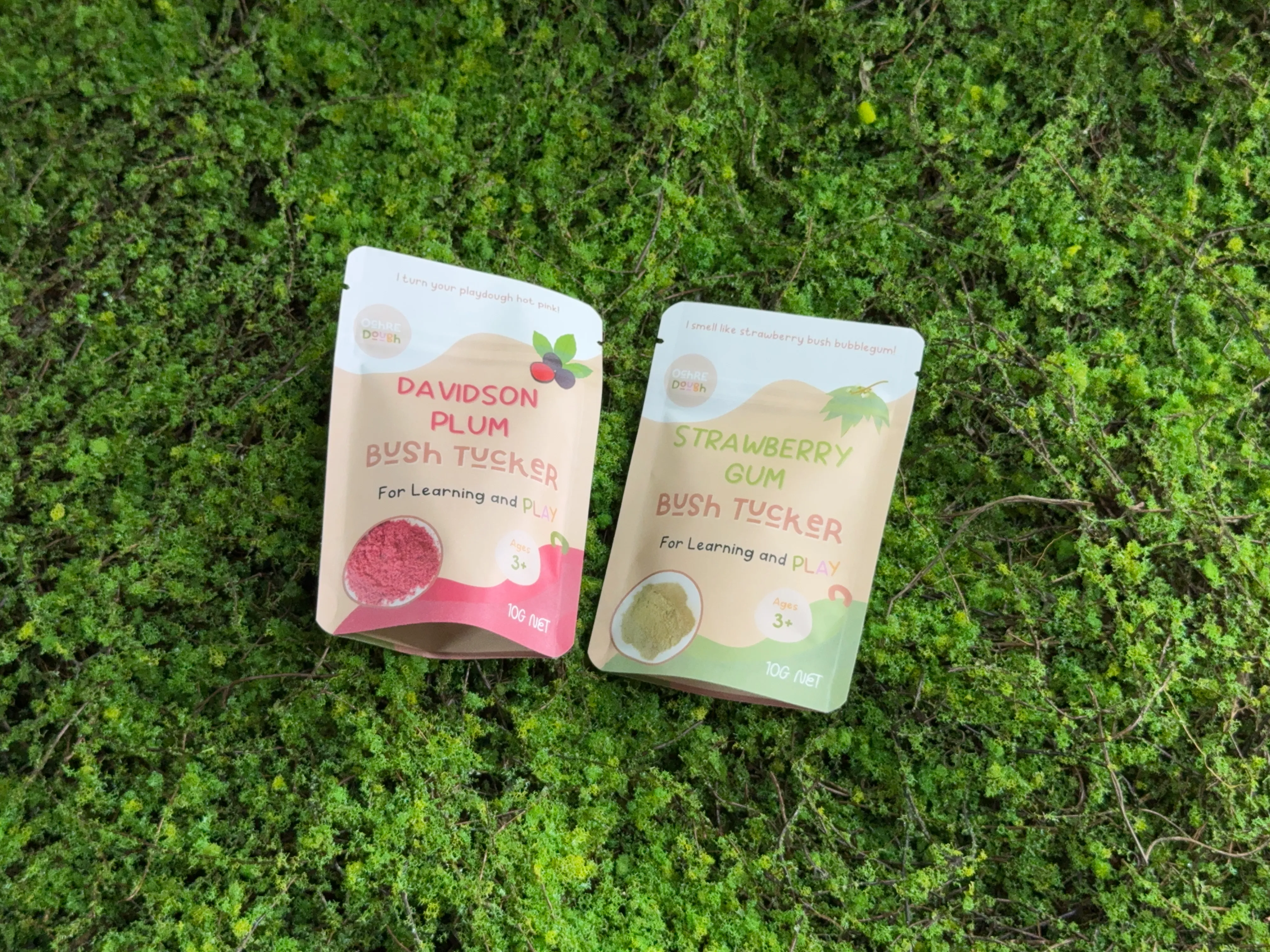
Circular Mono-PE Jerky Pouch
High oxygen barrier mono-PE film suitable for cured meats and jerky.
Read Guide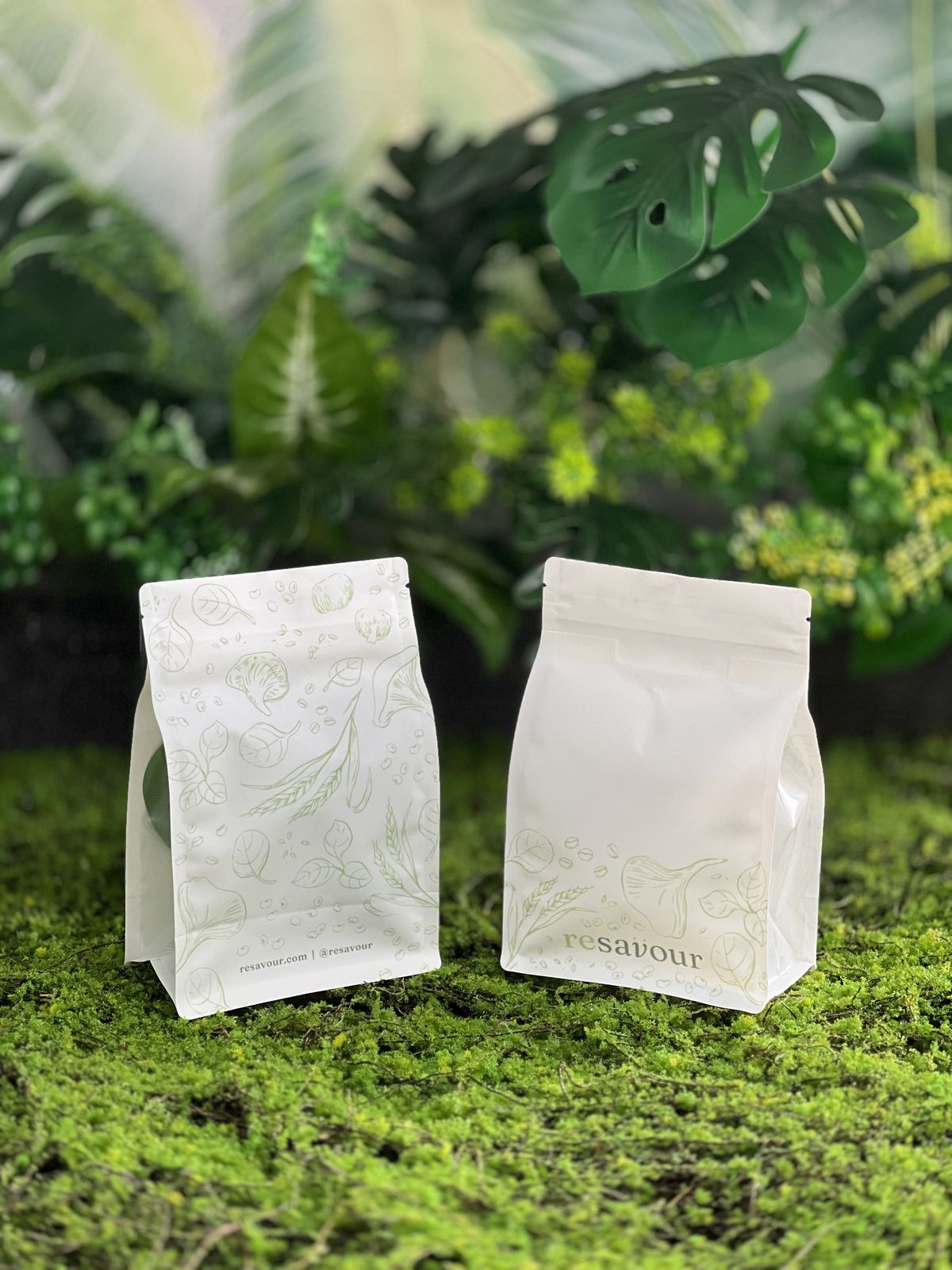
Kraft Flat-Bottom Tea Pouch
Earthy, organic kraft outer layers with certified compostable barrier lining.
Read Guide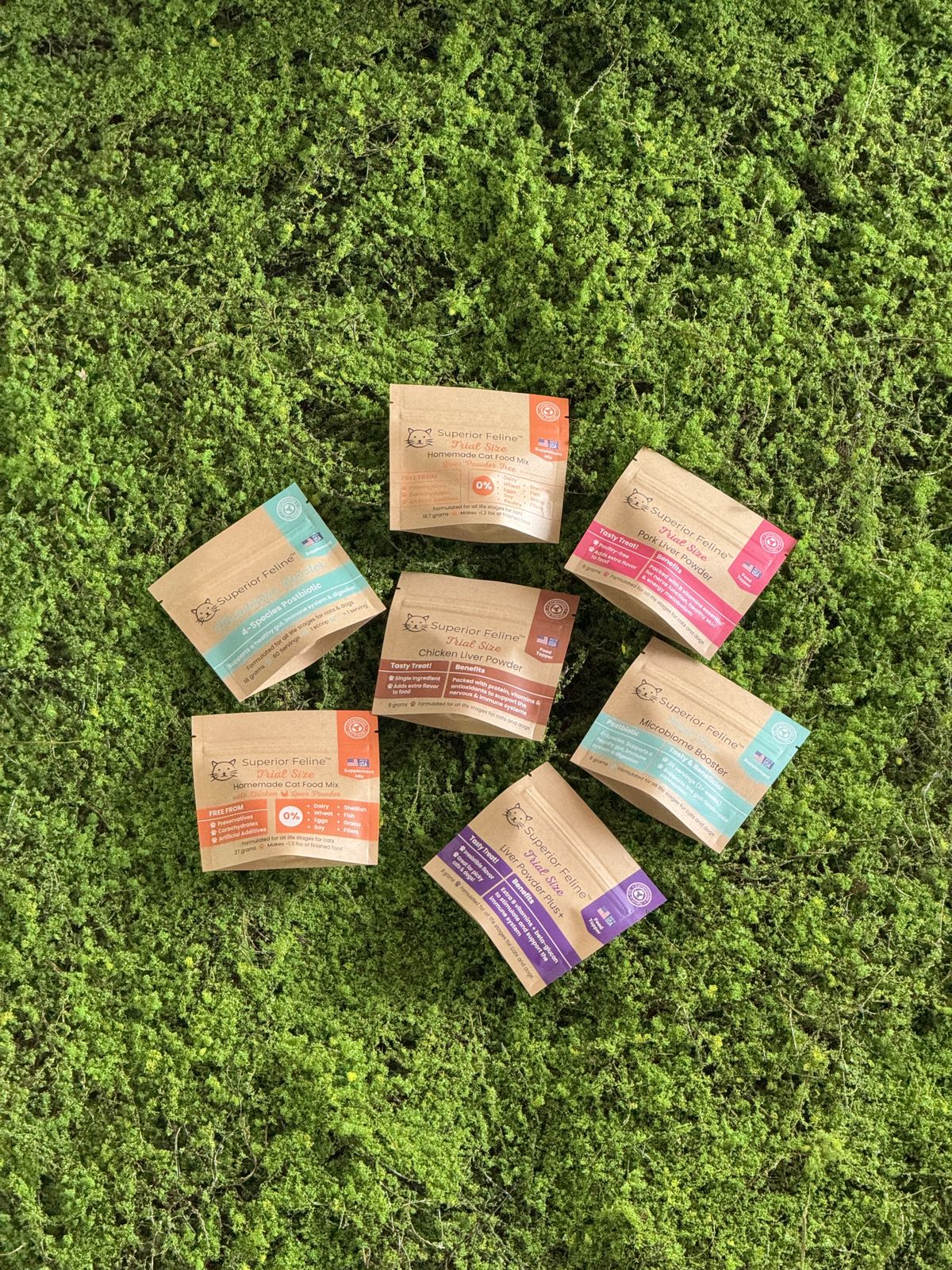
Compostable Coffee Stand-Up Pouch
Plant-based high-barrier stand-up pouches with degassing valves.
Read Guide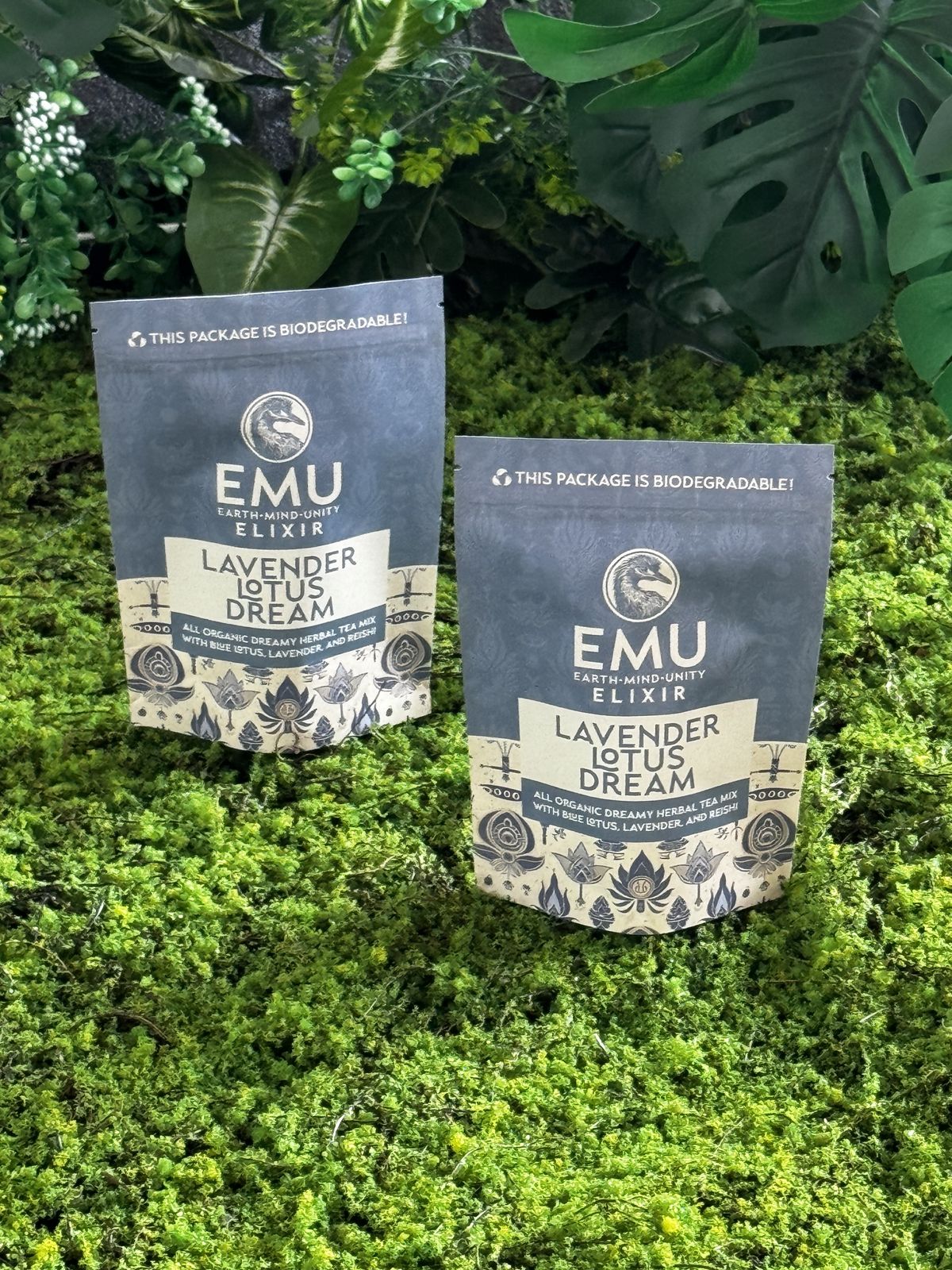
Recyclable Mono-PE Zipper Pouch
Fully circular design with recyclable press-to-close zippers.
Read Guide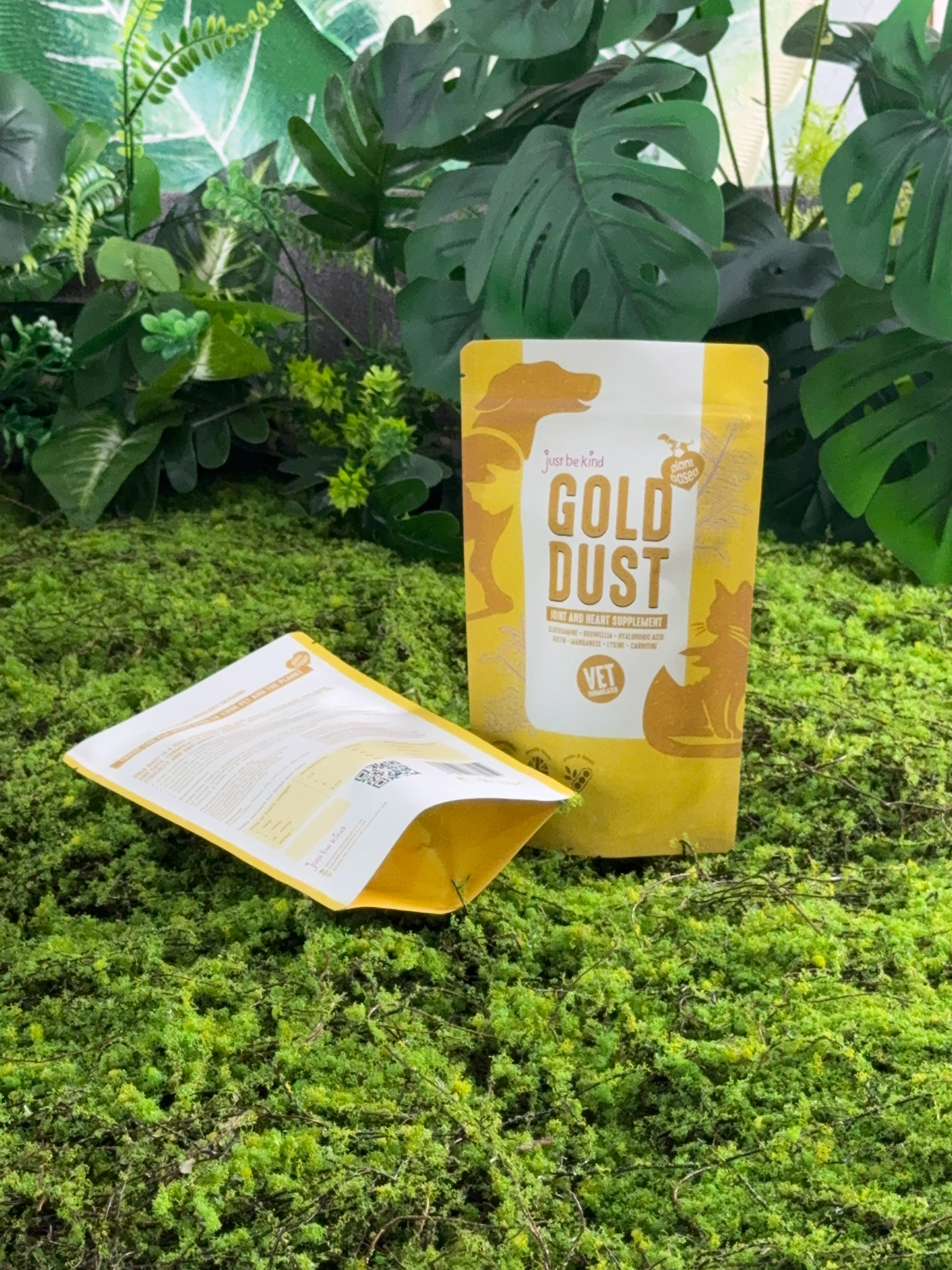
Home Compostable Nuts Pouch
TÜV OK Compost HOME certified stand-up pouch for organic snacks.
Read Guide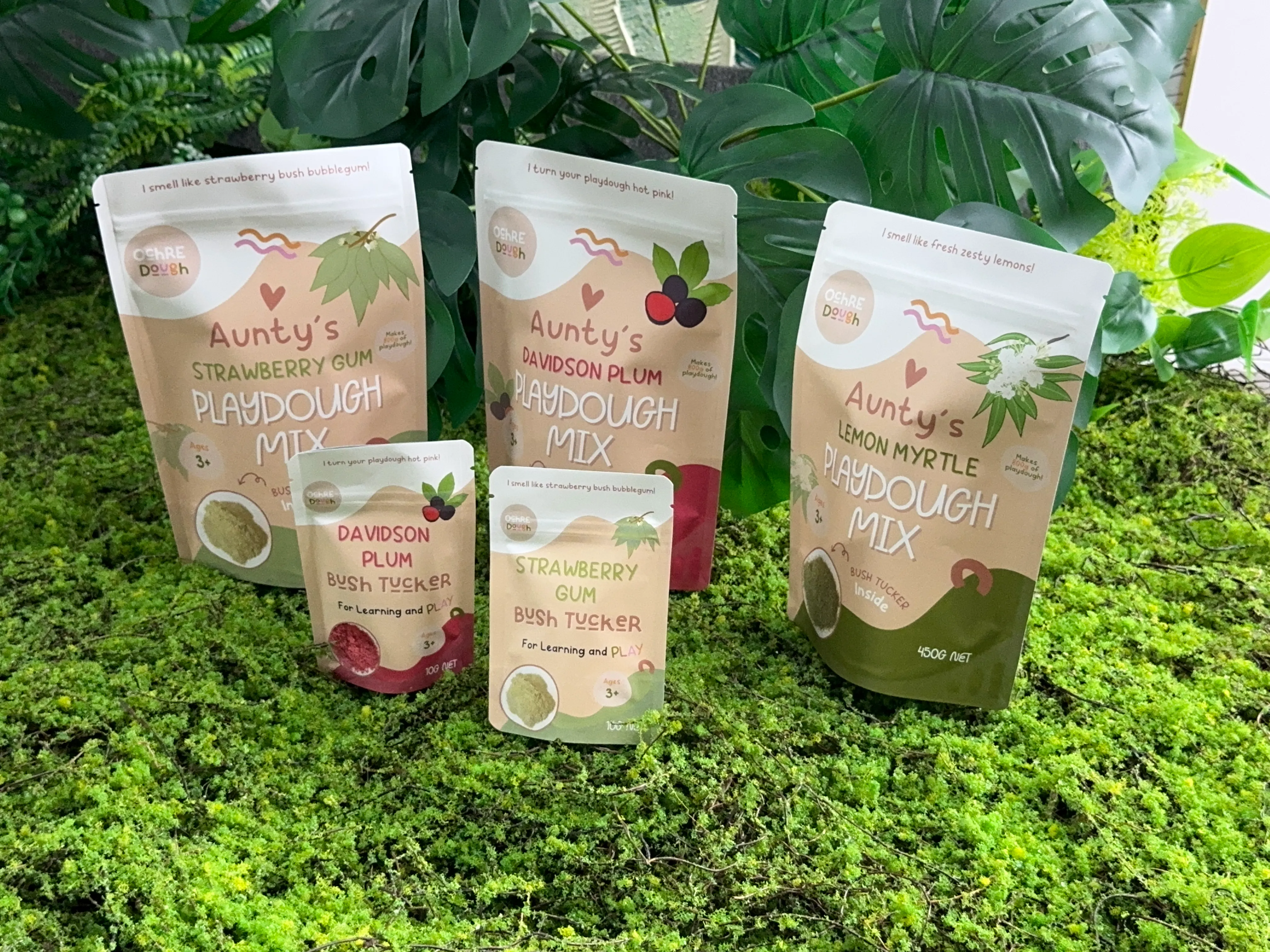
Corrugated Kraft Shipping Mailer
Rigid biodegradable cardboard shipping mailers with double adhesive.
Read Guide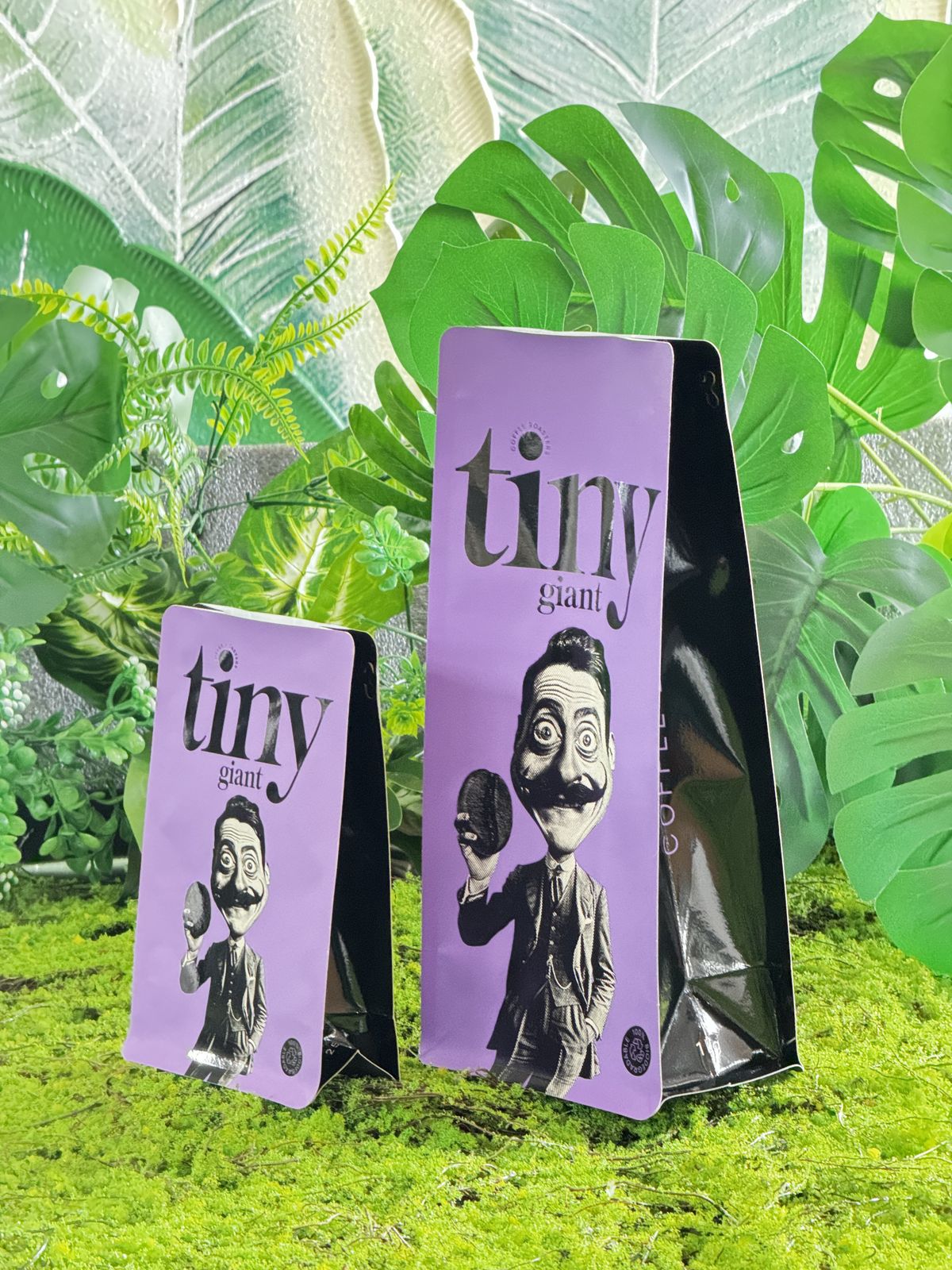
PCR Recycled Plastic Pouch
Incorporating post-consumer recycled plastics into structural layers.
Read Guide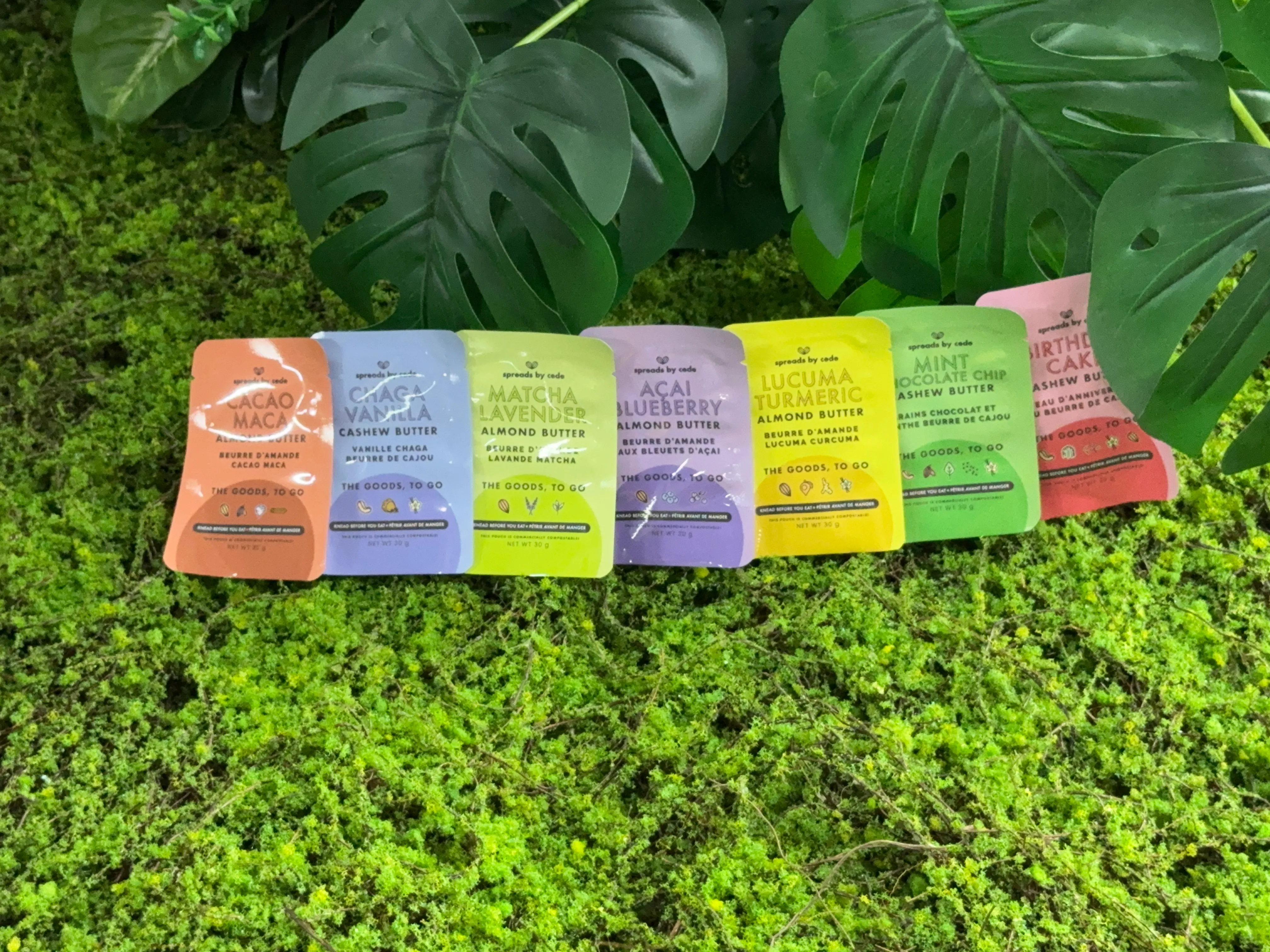
Matte Black Custom Coffee Bag
Modern matte black flat bottom bag featuring front pocket zipper.
Read Guide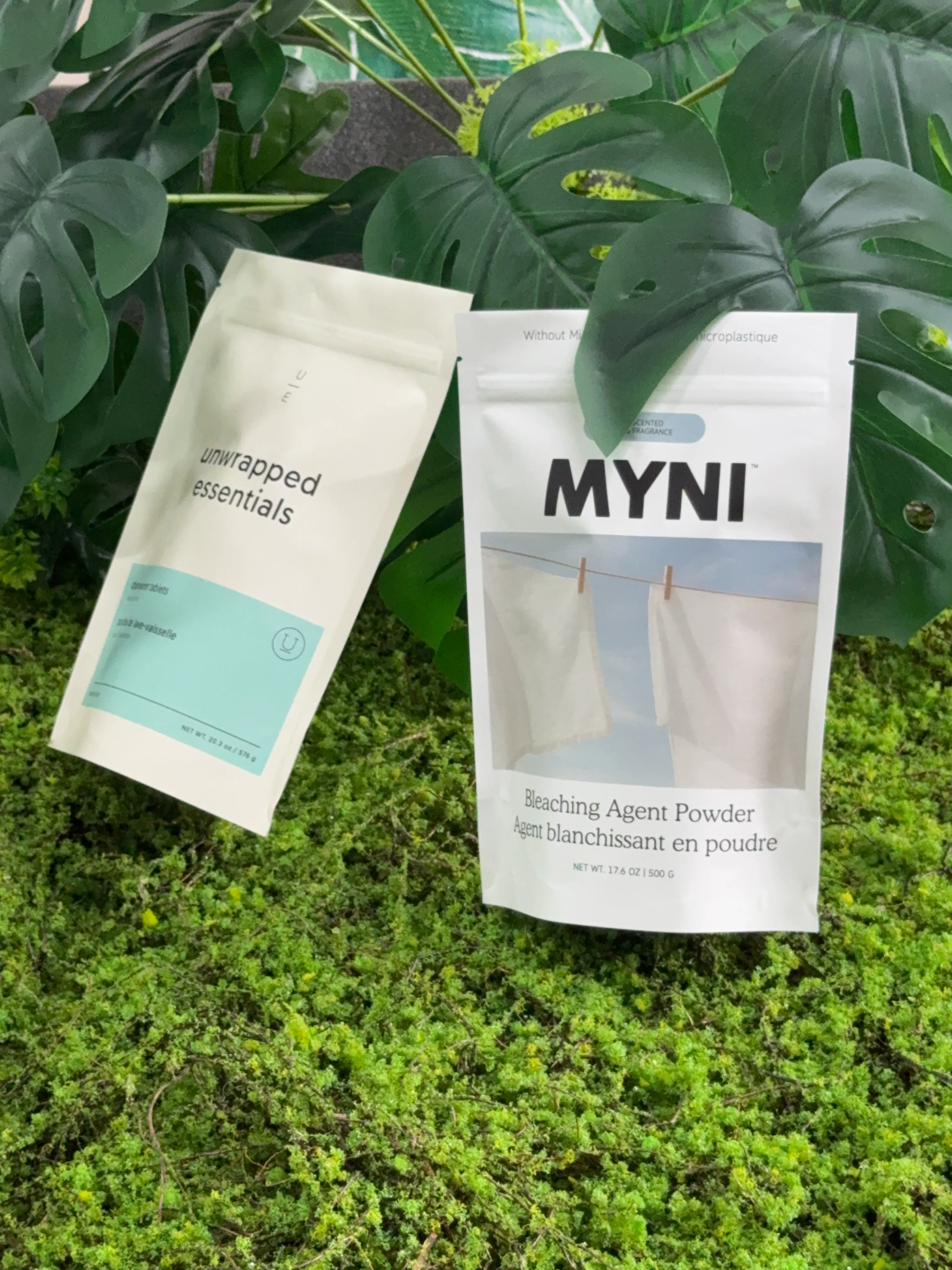
Compostable Matte White Pouch
Eco-friendly matte white stand-up pouches with organic sugar cane paper styling.
Read Guide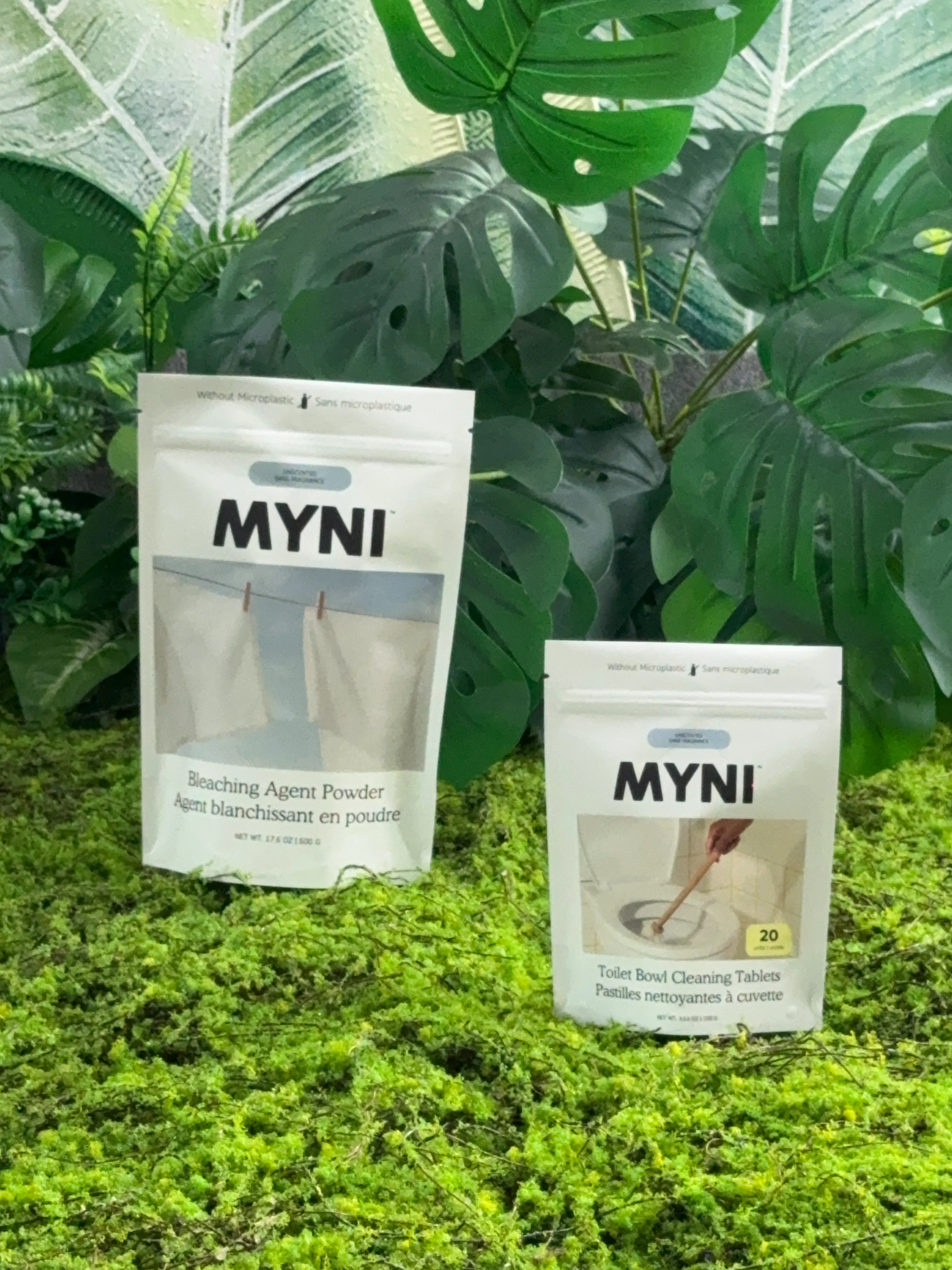
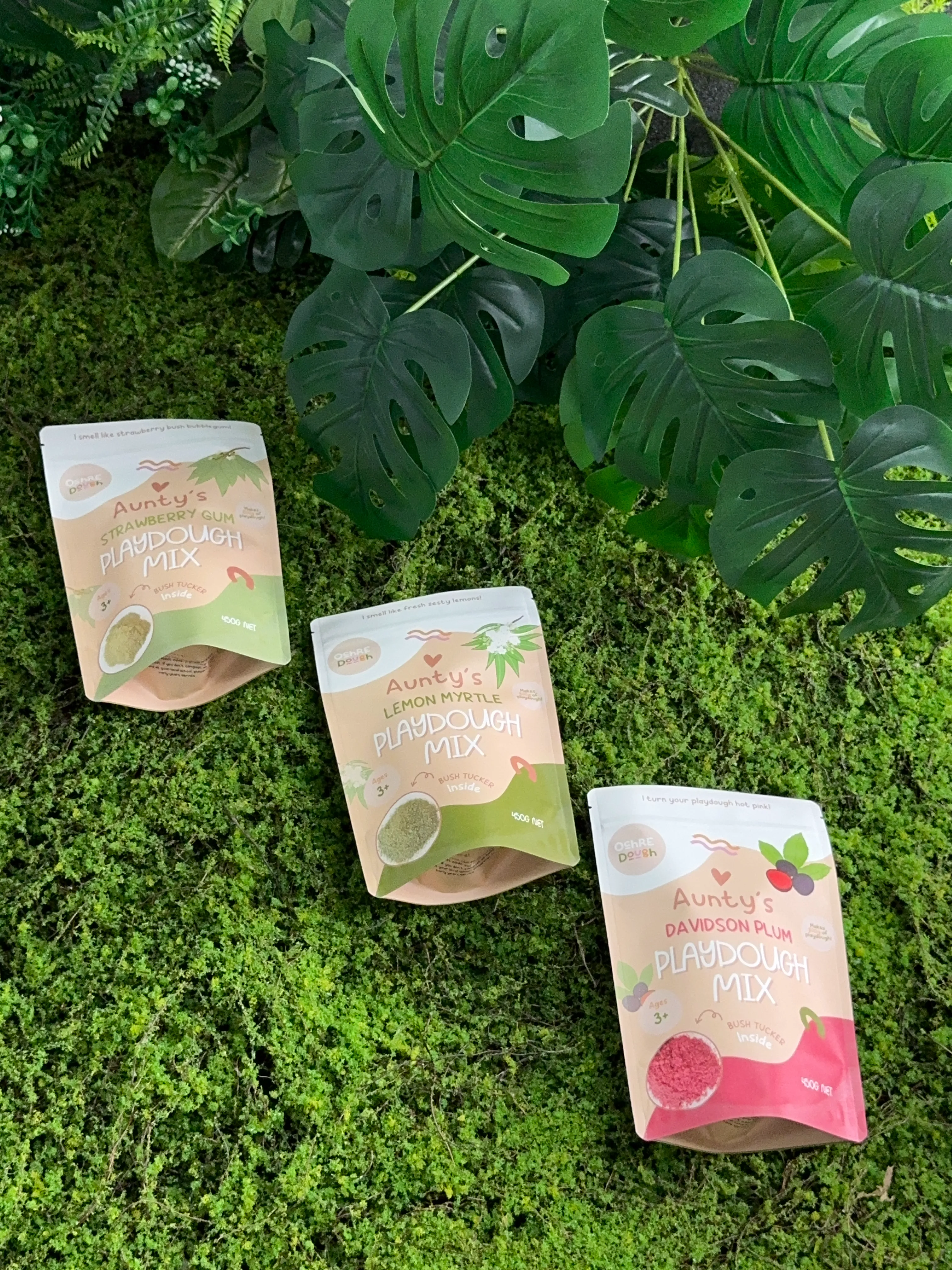
Premium Glossy Coffee Pouch
Vibrant high-gloss digital printing on recyclable barrier films.
Read Guide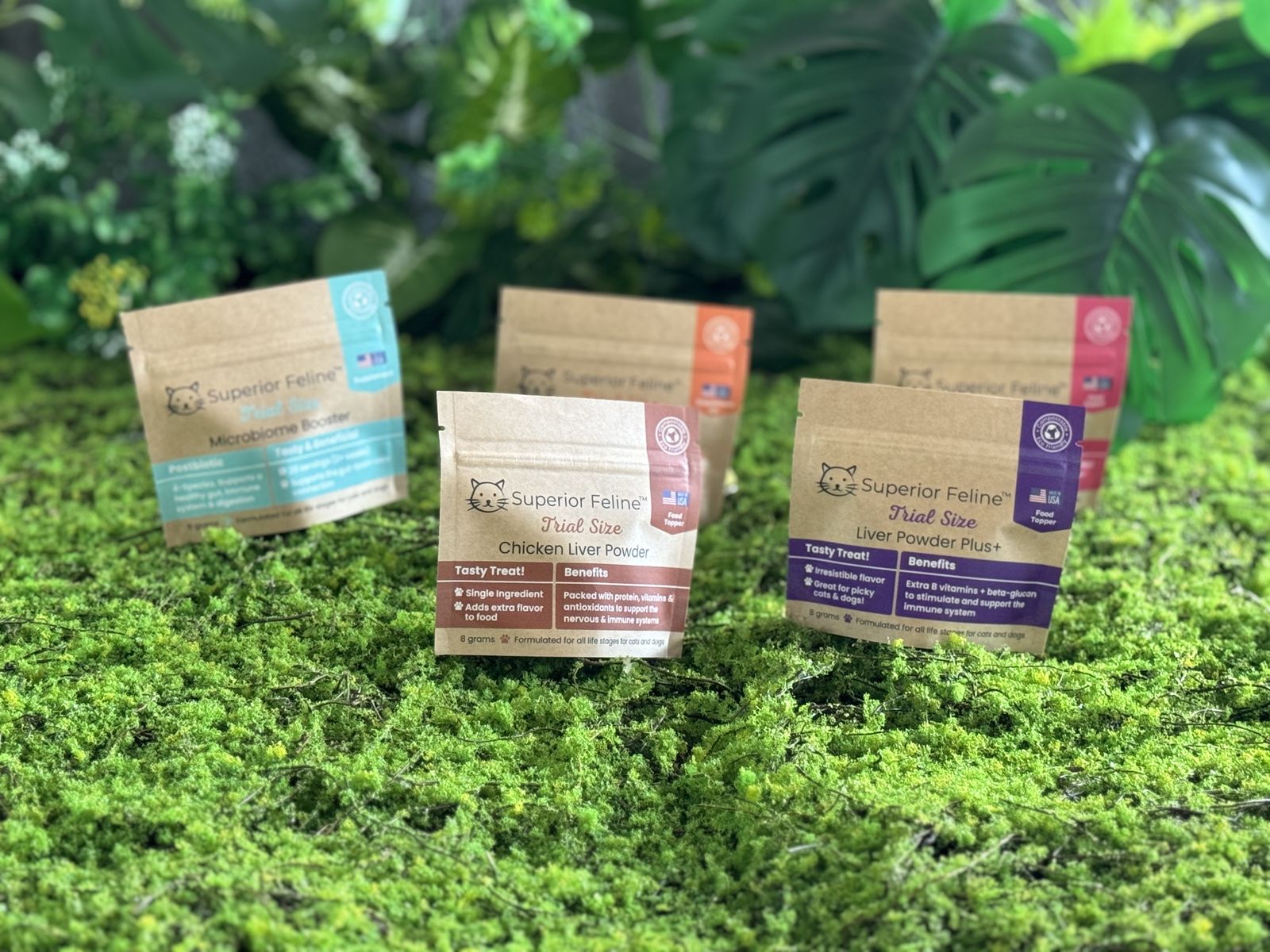
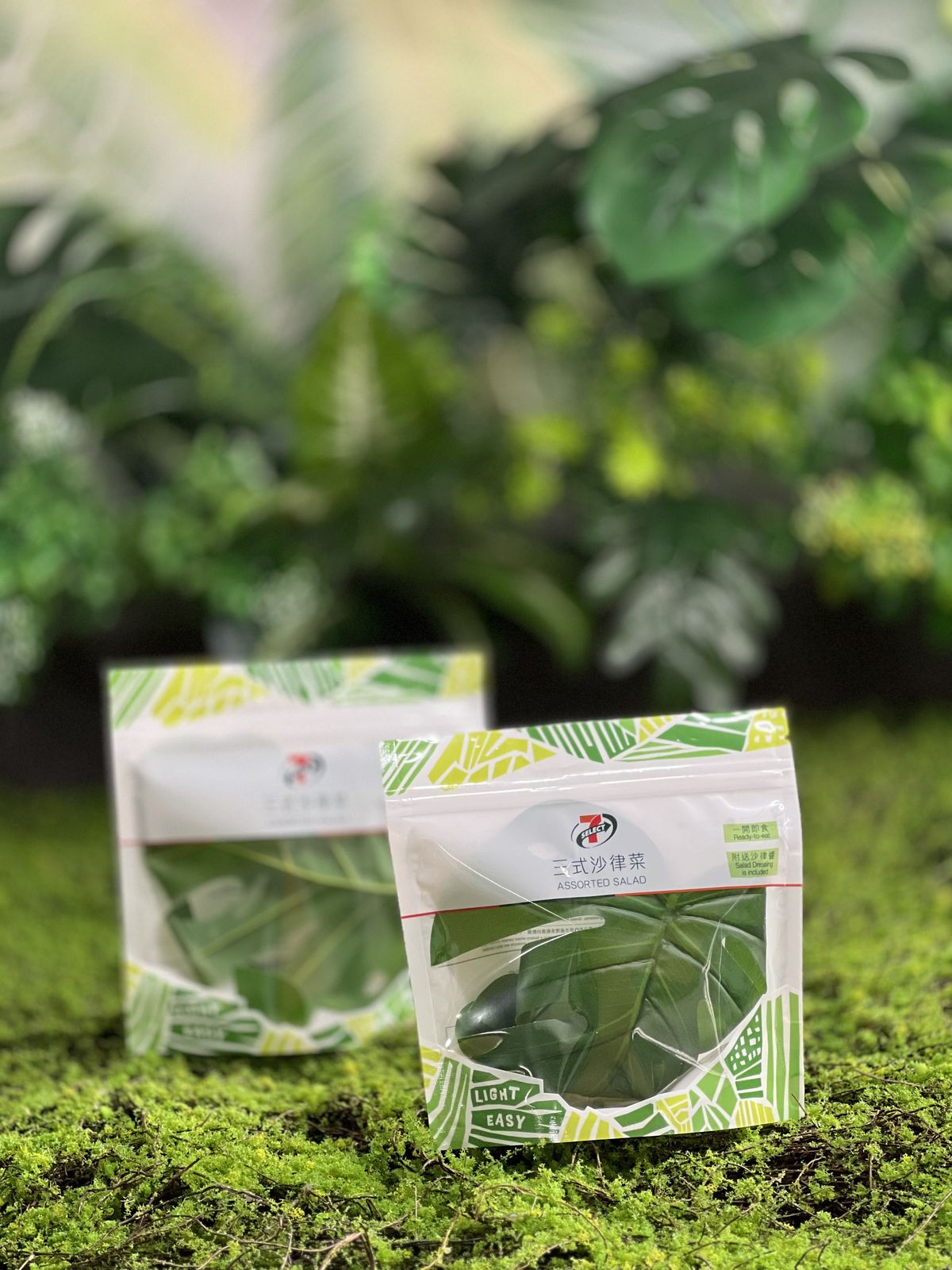
Clear-Window Compostable Pouch
Compostable kraft stand-up pouch featuring a clear plant-based window.
Read Guide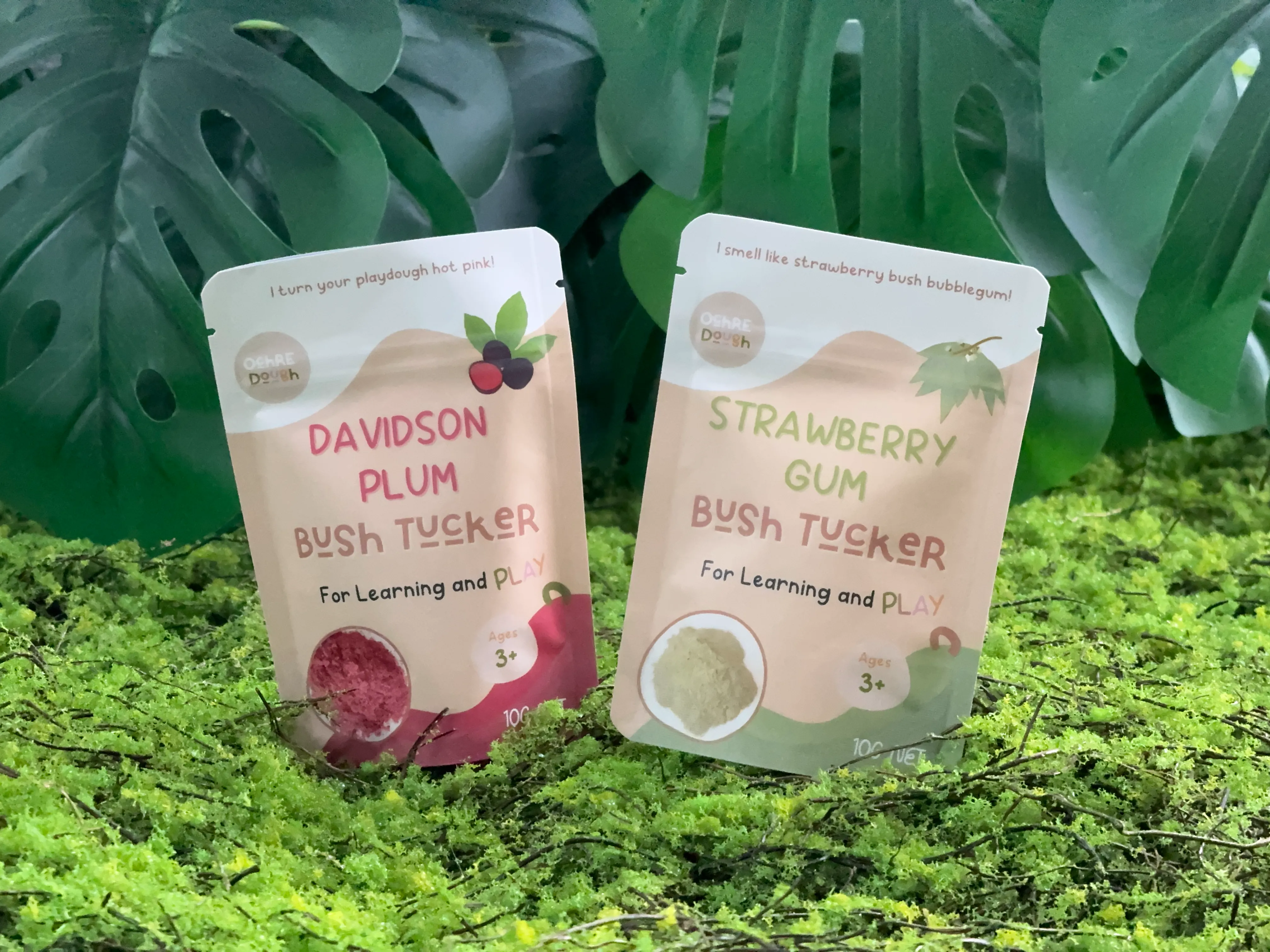
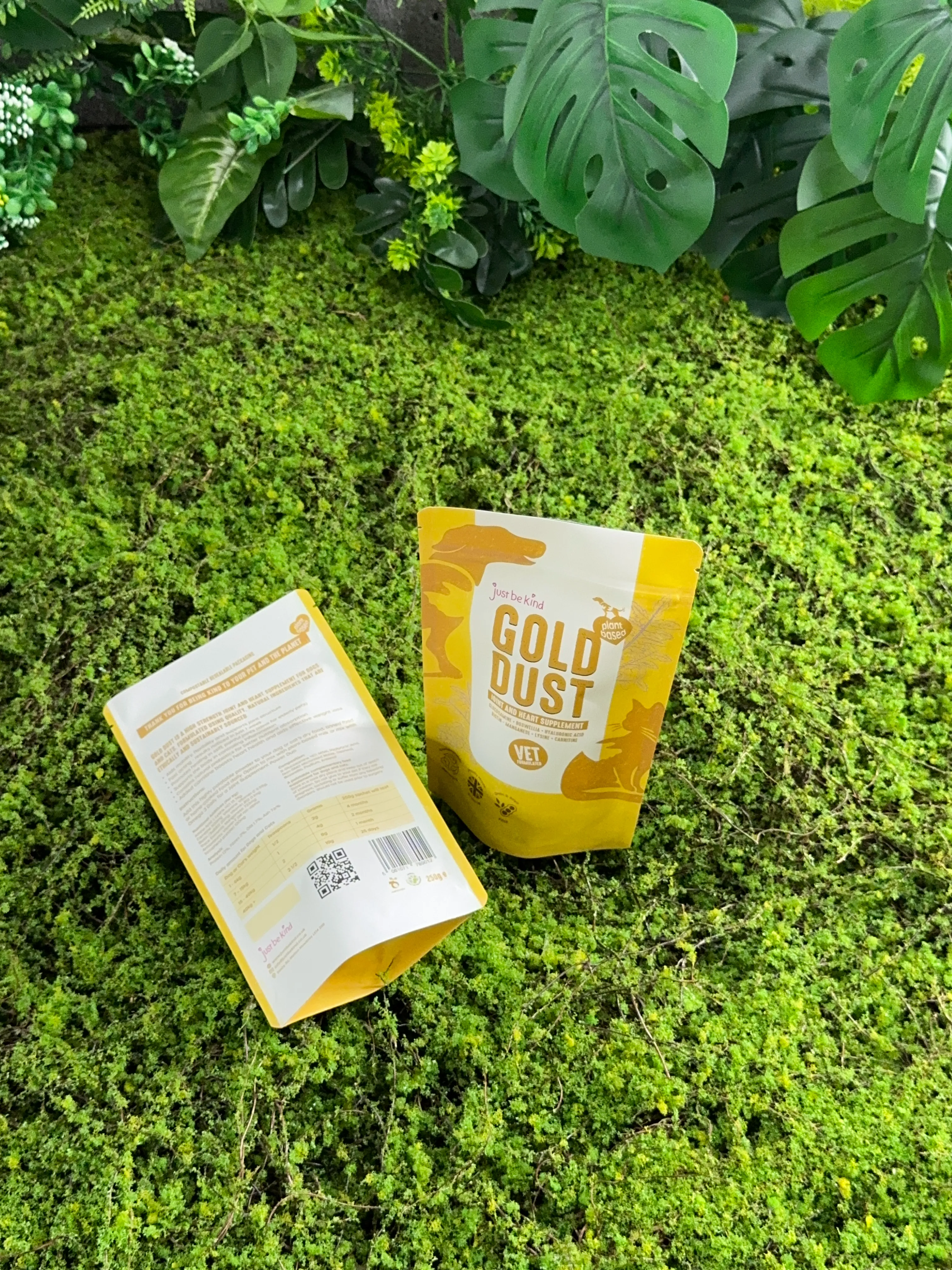
Holographic High-Luxe Box
Corrugated shipping mailers with vibrant holographic foil designs.
Read Guide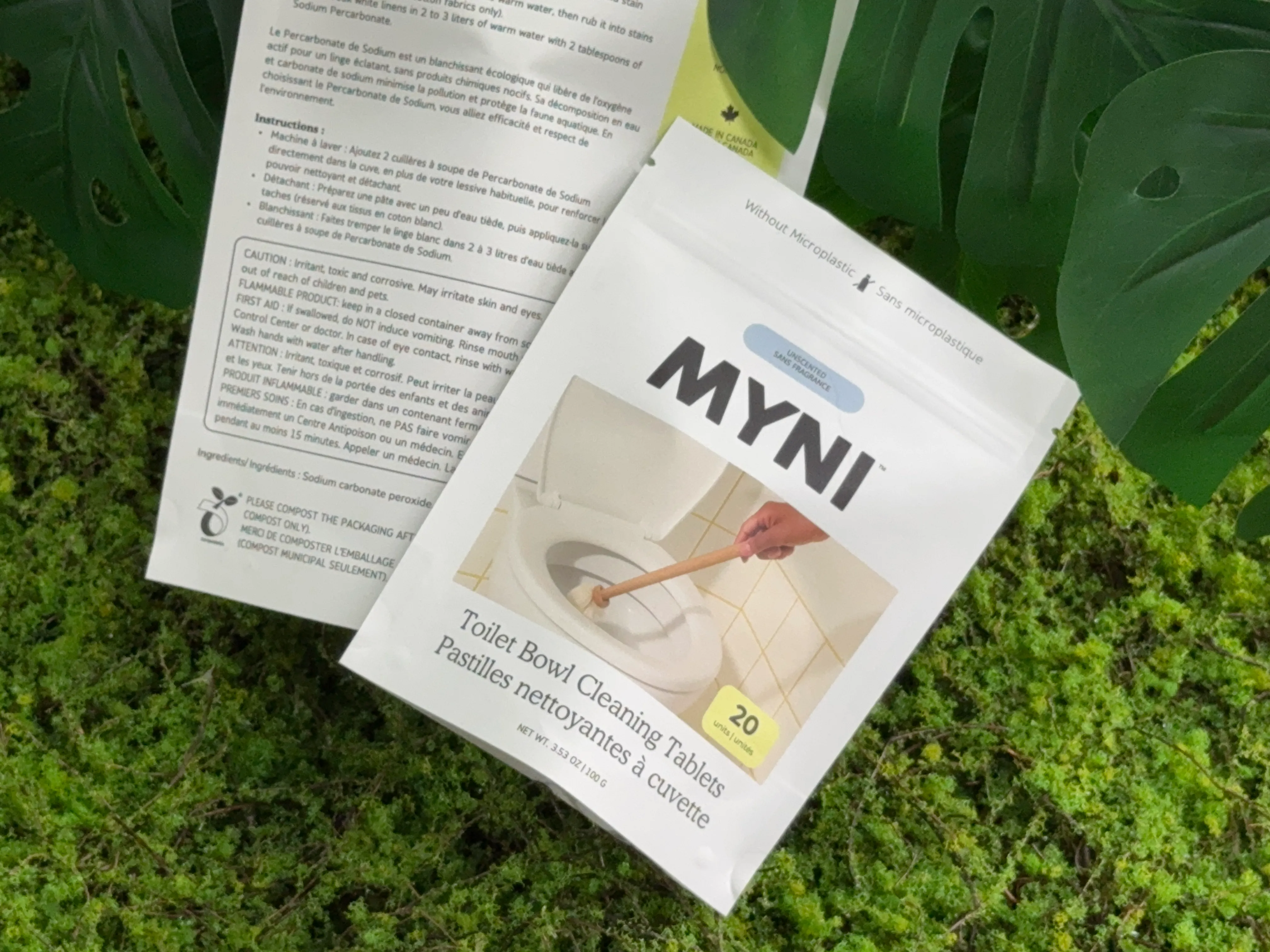
Clear-Front Compostable Pouch
Clear barrier front structure showcasing gourmet coffee beans.
Read Guide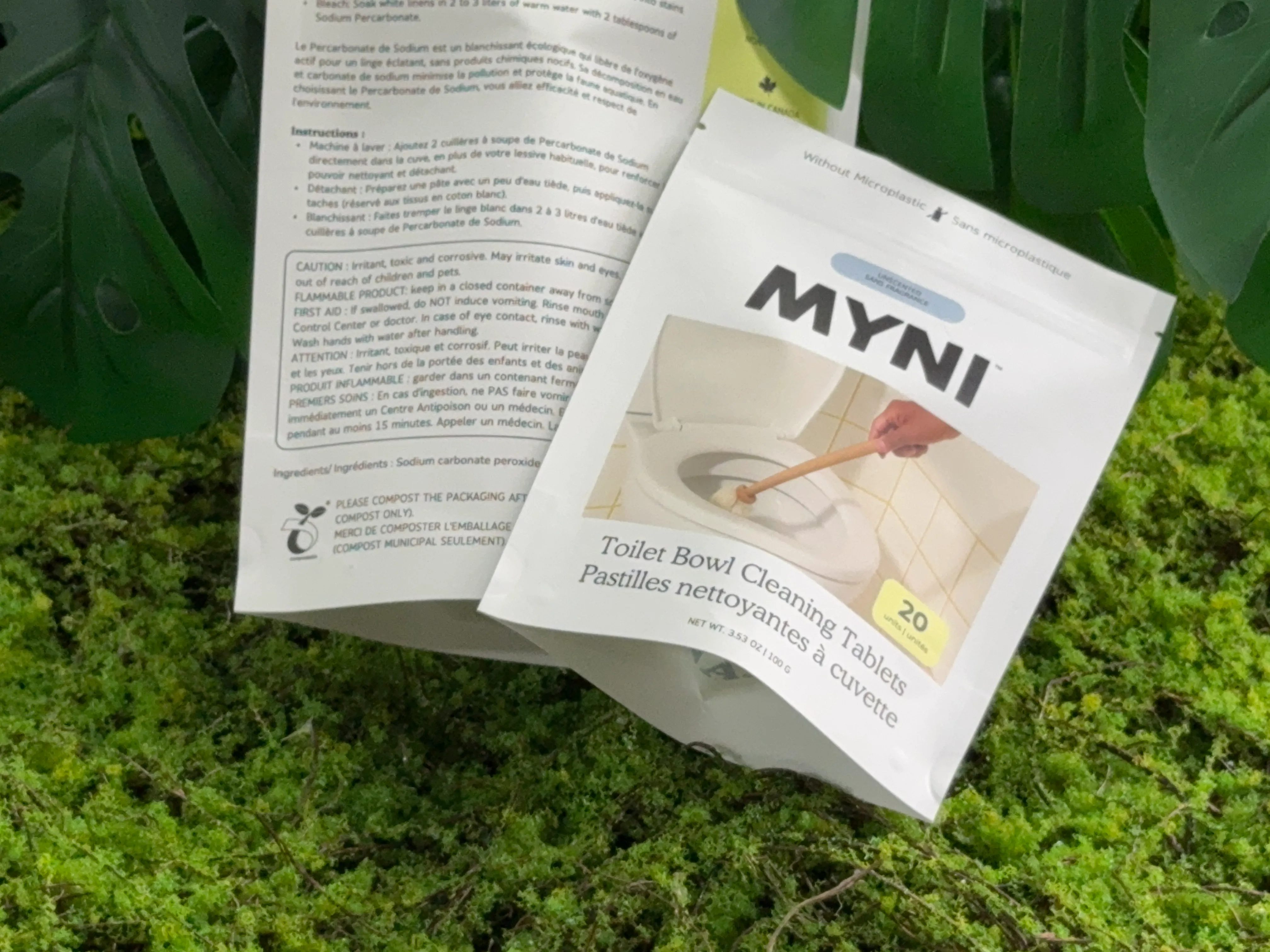
Mono-PE Circular Supplement Bag
Recyclable matte mono-PE supplement bag with heavy-duty zipper.
Read Guide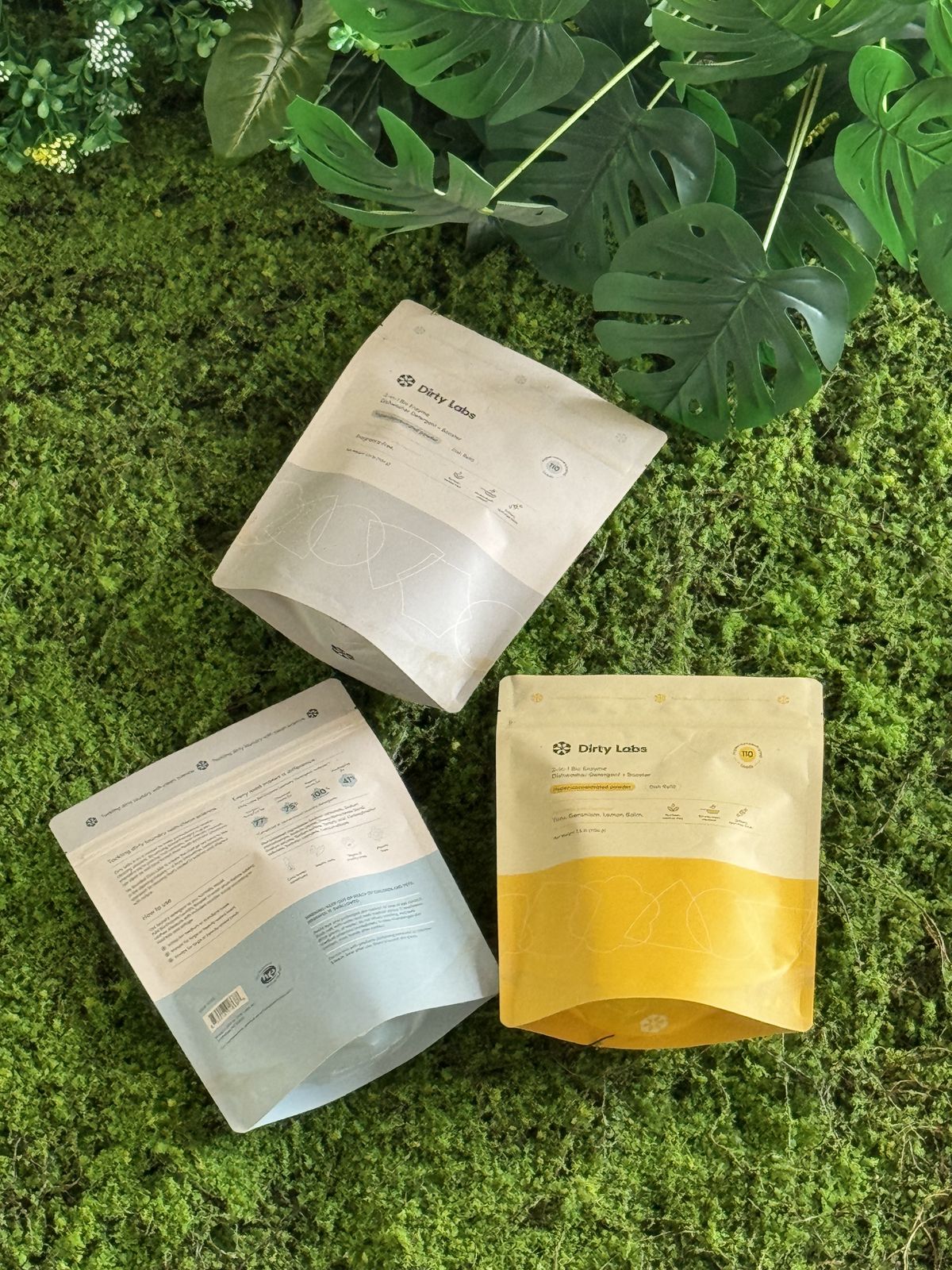
Spouted Juice & Liquid Pouch
Heavy-duty laminated structures with rigid spouts for leakproof transit.
Read Guide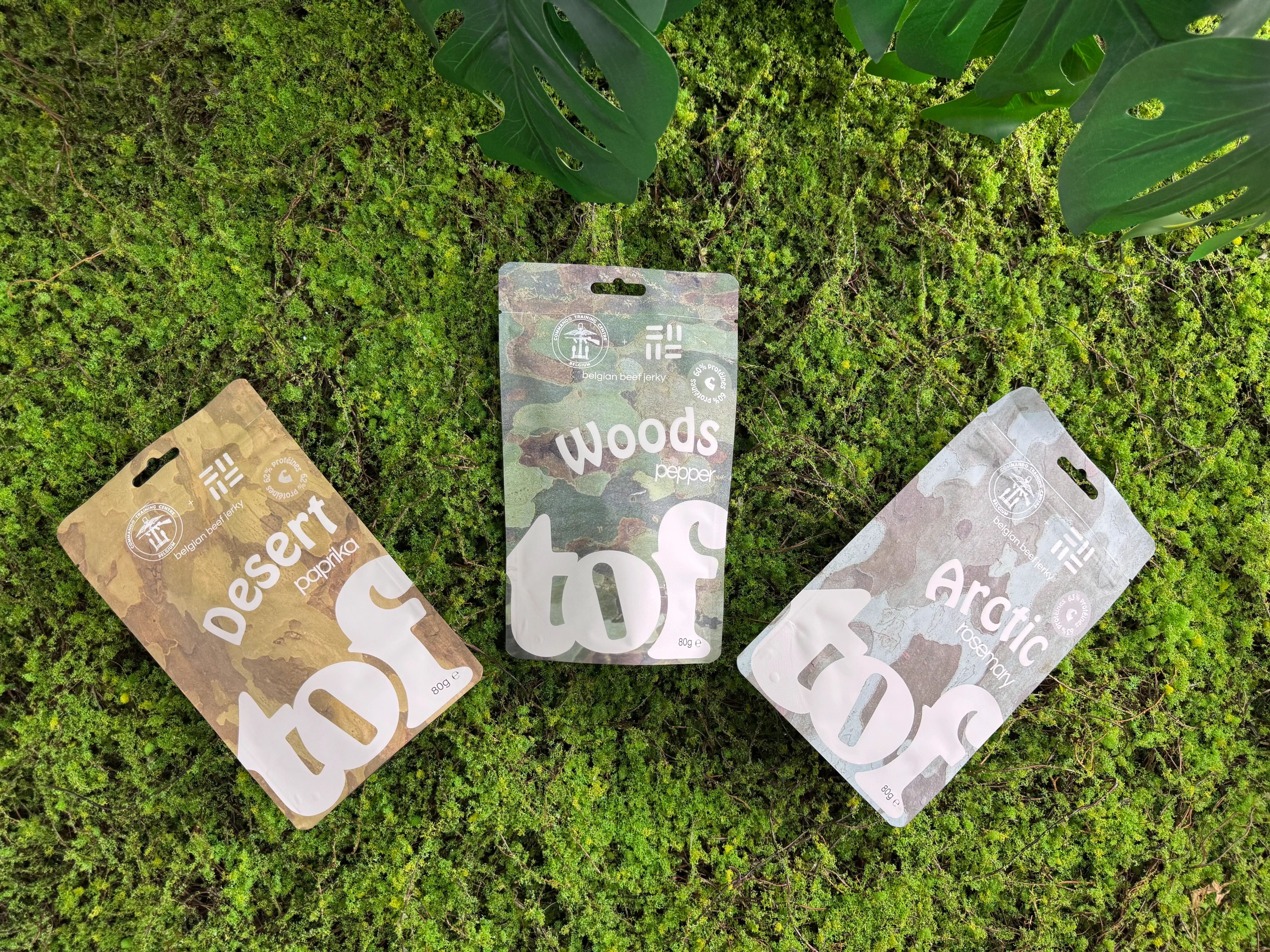
Luxury Holographic Supplement Bag
Stunning holographic foil printing on heavy supplement packaging with press-to-close zipper.
Read Guide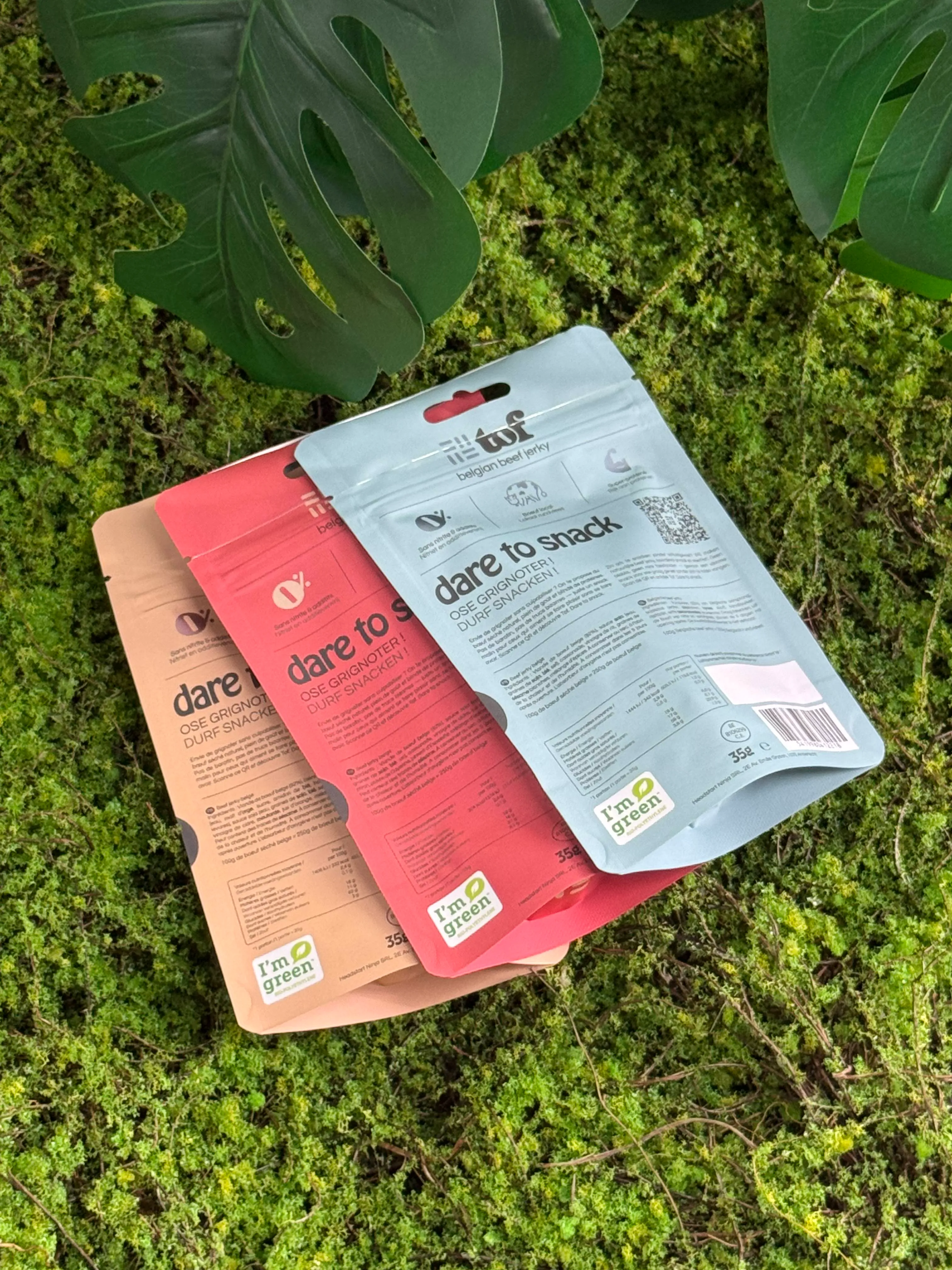
Premium Kraft Paper Flat-Bottom Bag
Block bottom bag with organic kraft outer layer and compostable high-barrier lining.
Read Guide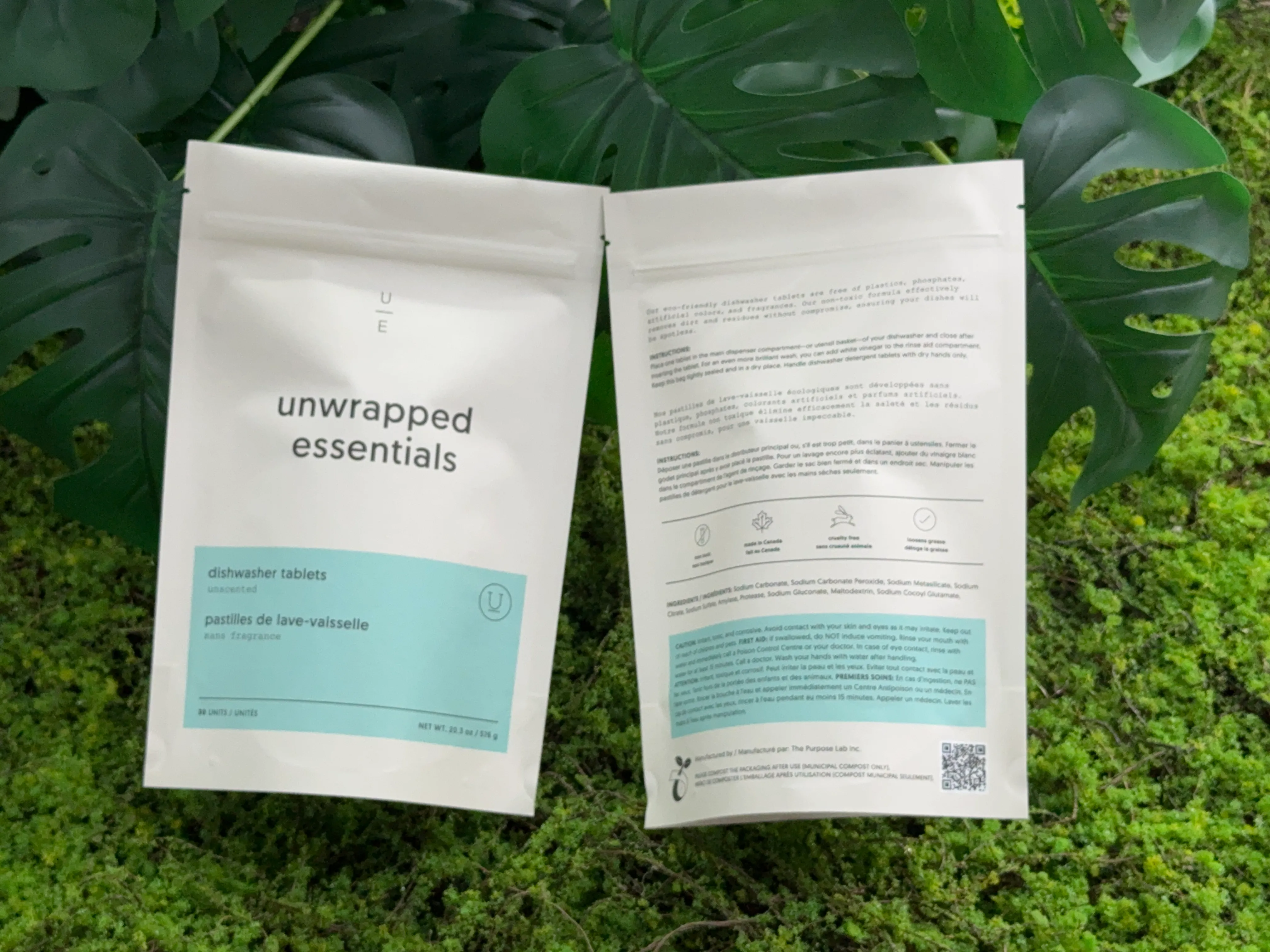
High-Barrier Spouted Purée Pouch
Spouted pure-PE packaging for organic baby food and purées.
Read Guide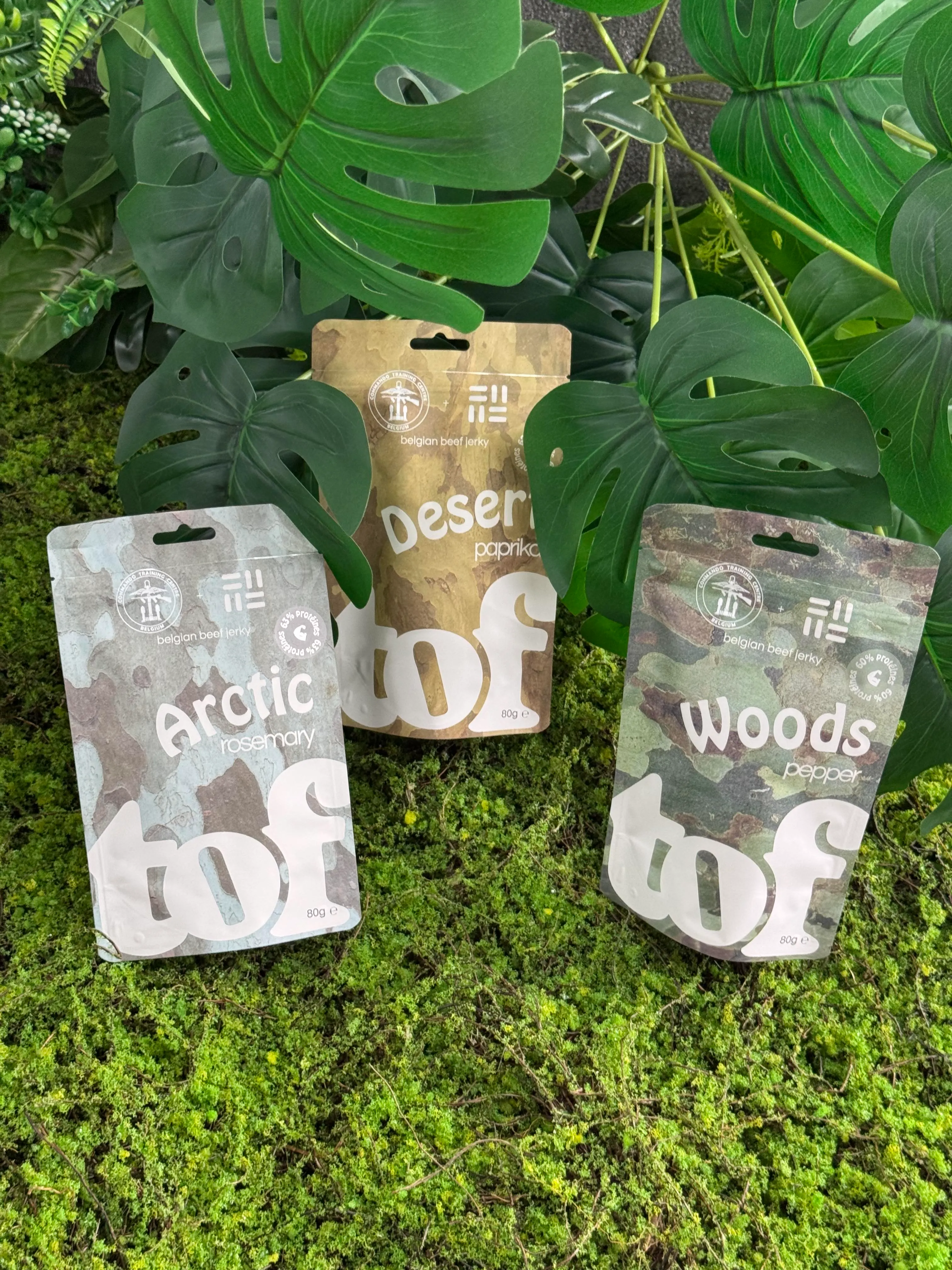
High-Barrier Spouted Purée Pouch
Heavy-duty laminated spouted pouch with tamper-evident caps for liquids and purees.
Read Guide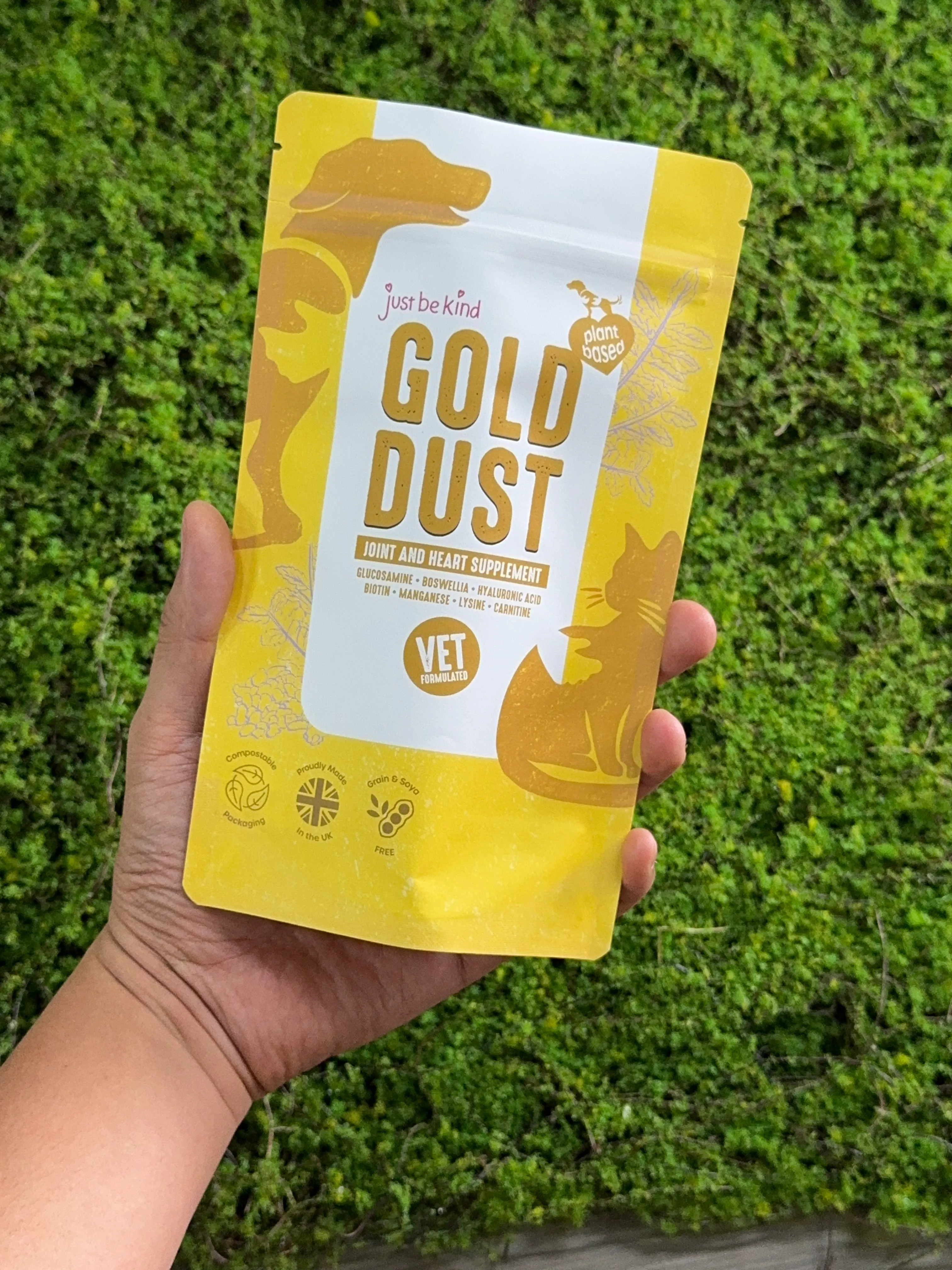
Eco-Friendly Pet Treat Bag
Puncture-resistant laminations designed for shelf longevity and grease-resistance.
Read Guide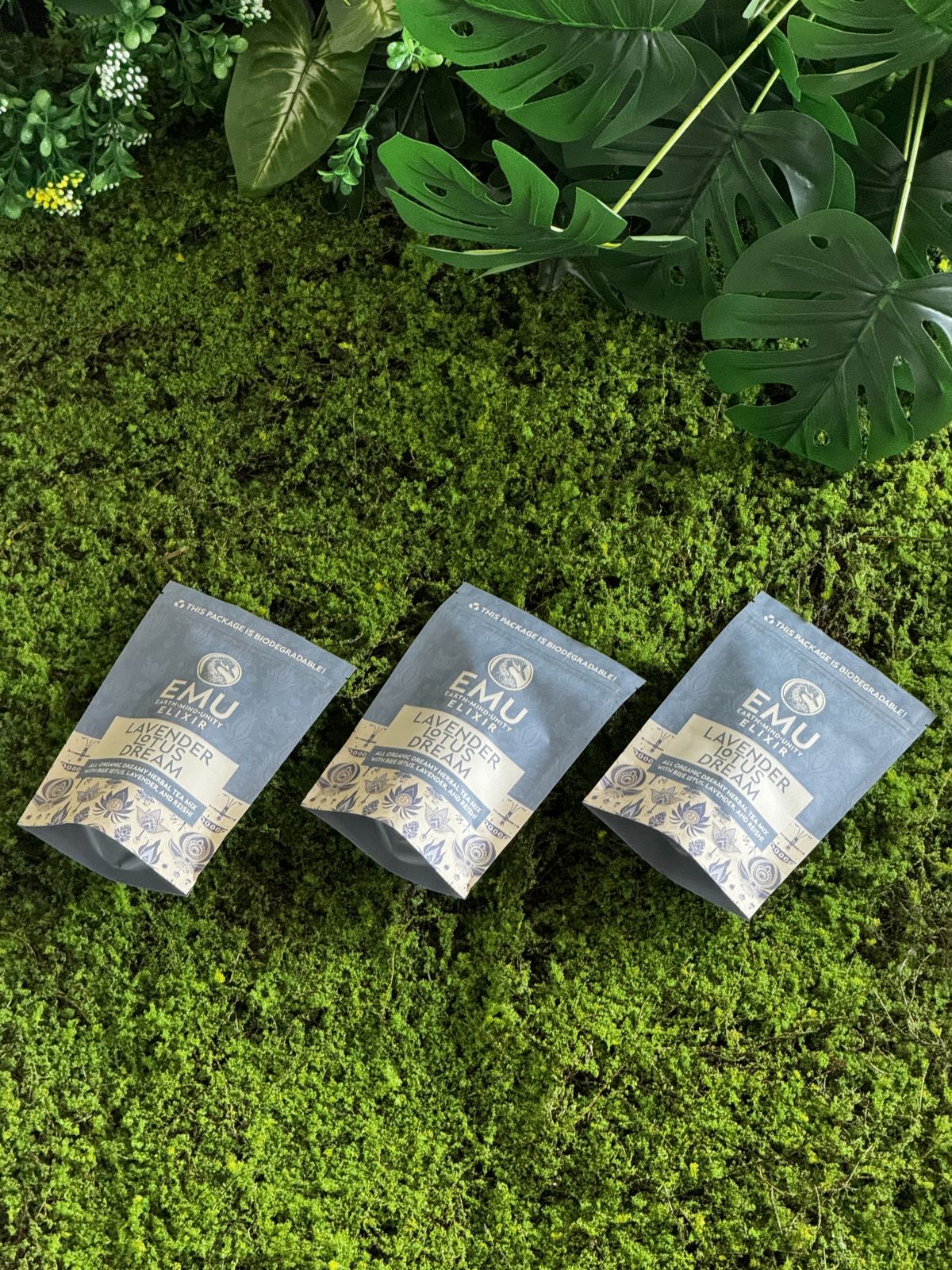
Bio-PE SugarCane Supplement Bag
Sugarcane-derived bioplastics helping brands reduce carbon emissions.
Read Guide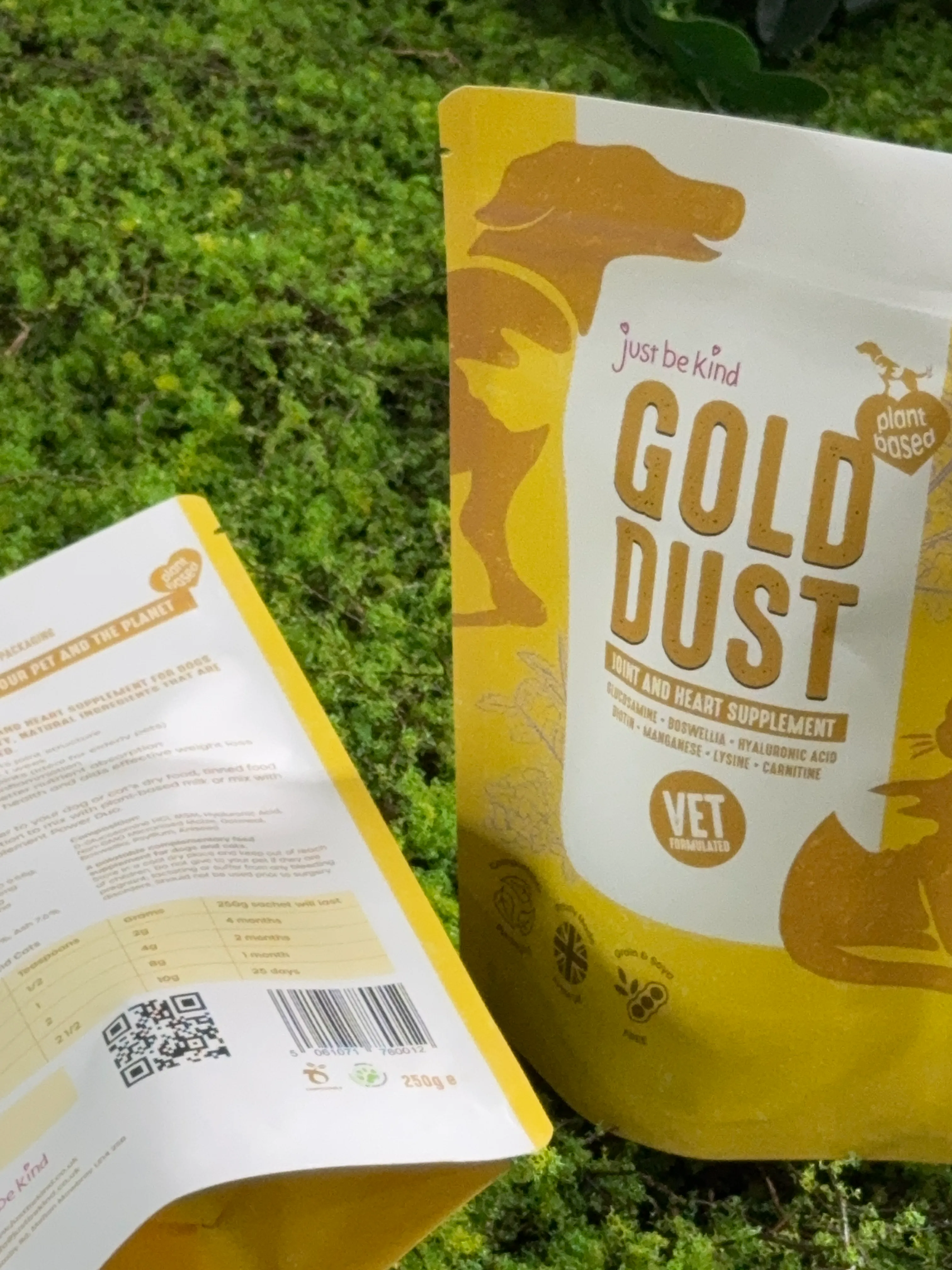
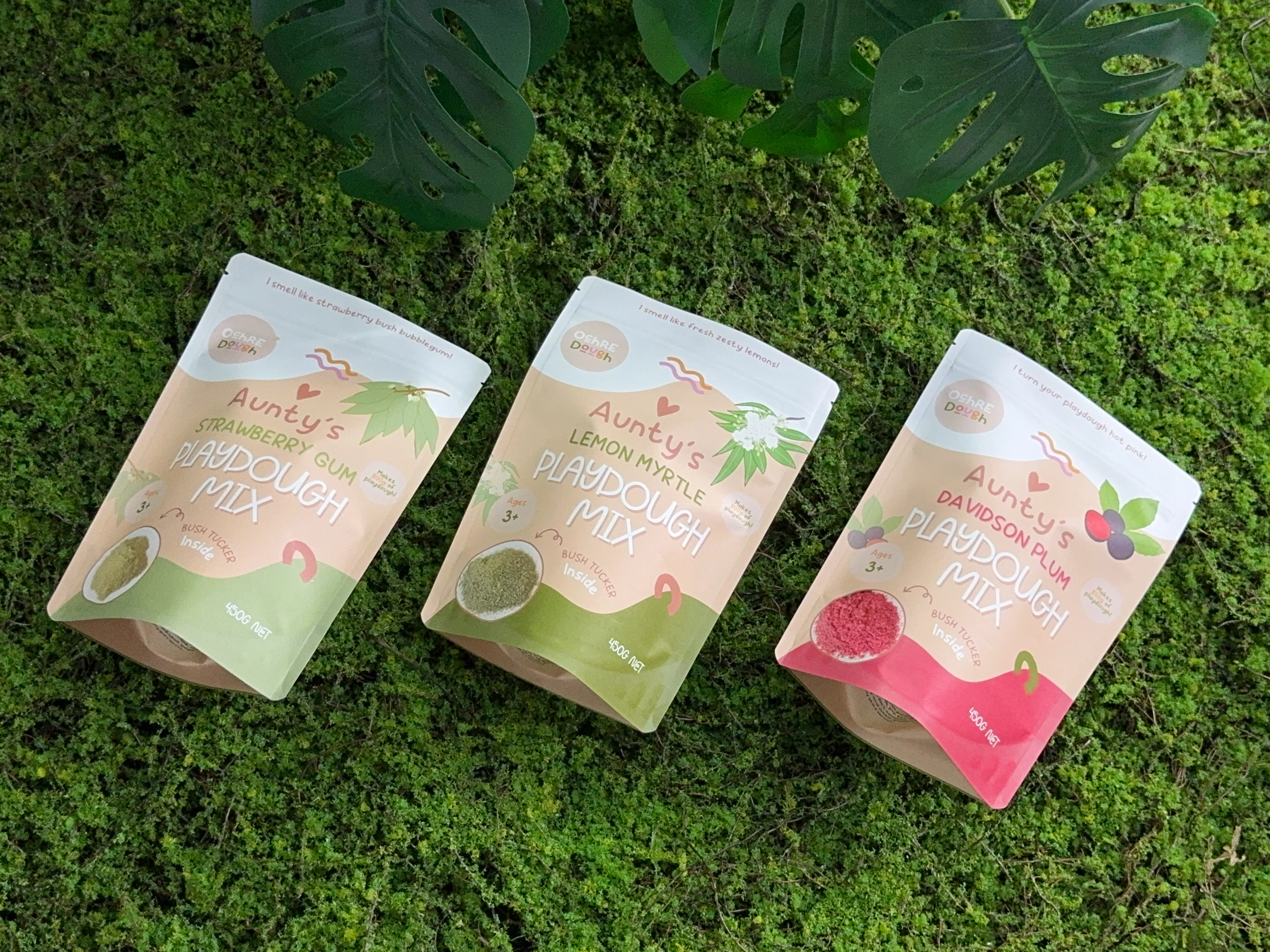
Gusseted Side Coffee Pouch
Expandable side gussets with quad seal structure for stable shelf layout.
Read Guide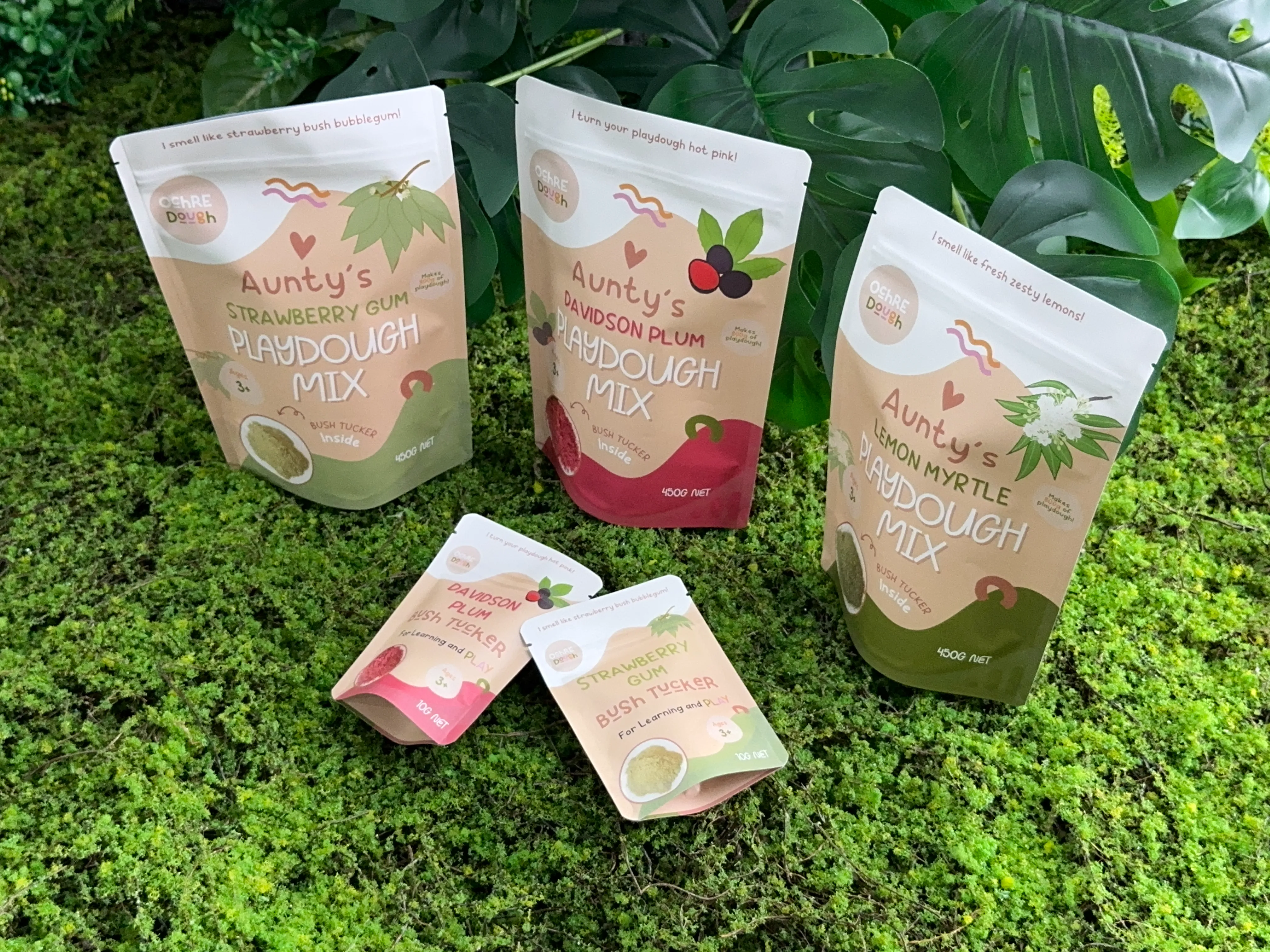
Expandable Side Gusset Coffee Pack
Quad seal side gusset bag with internal degassing valve.
Read Guide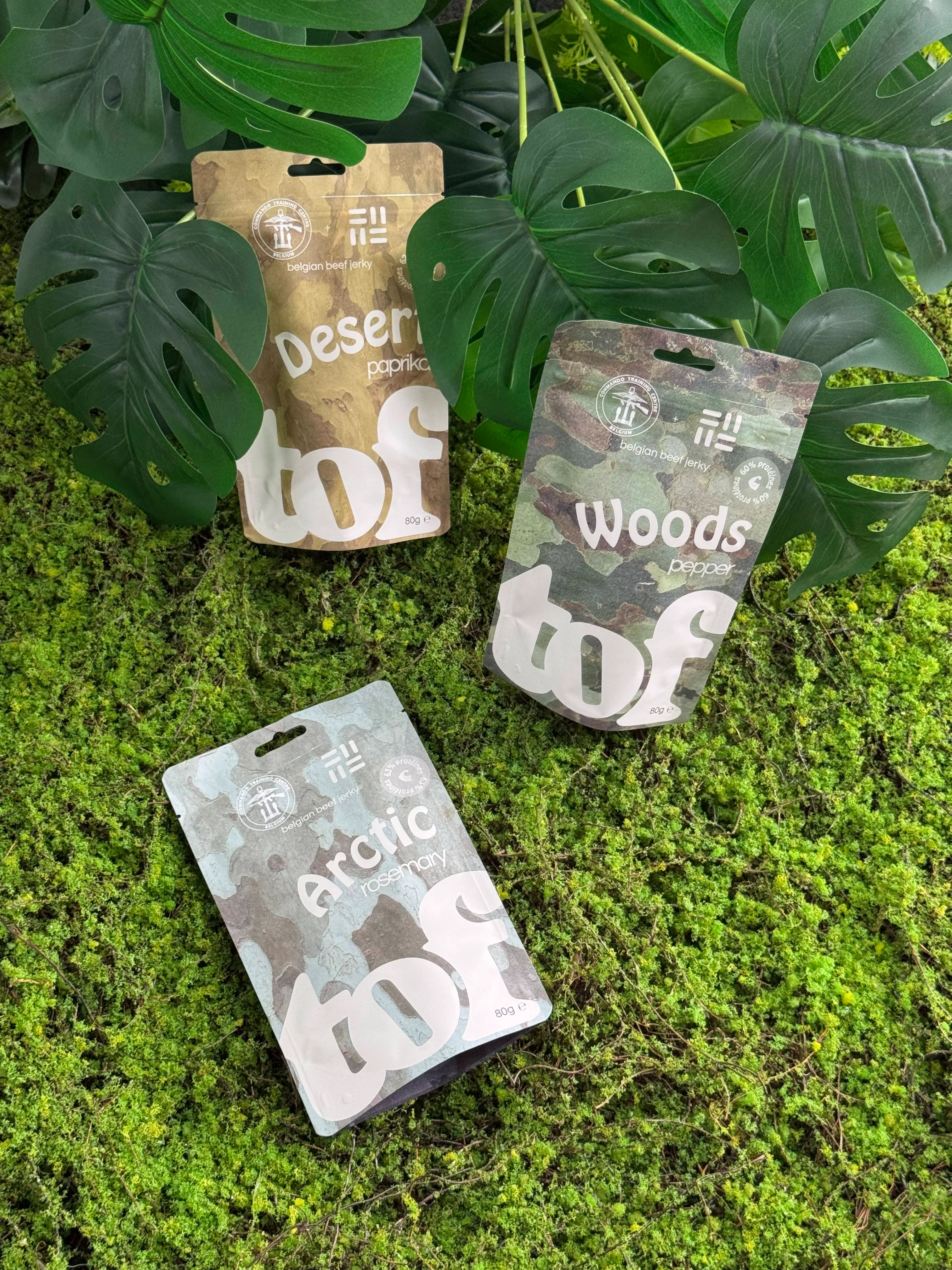
Heavy-Duty Recyclable Side-Gusset Pouch
Mono-PE side-gusseted structures designed for stable retail shelving and durability.
Read Guide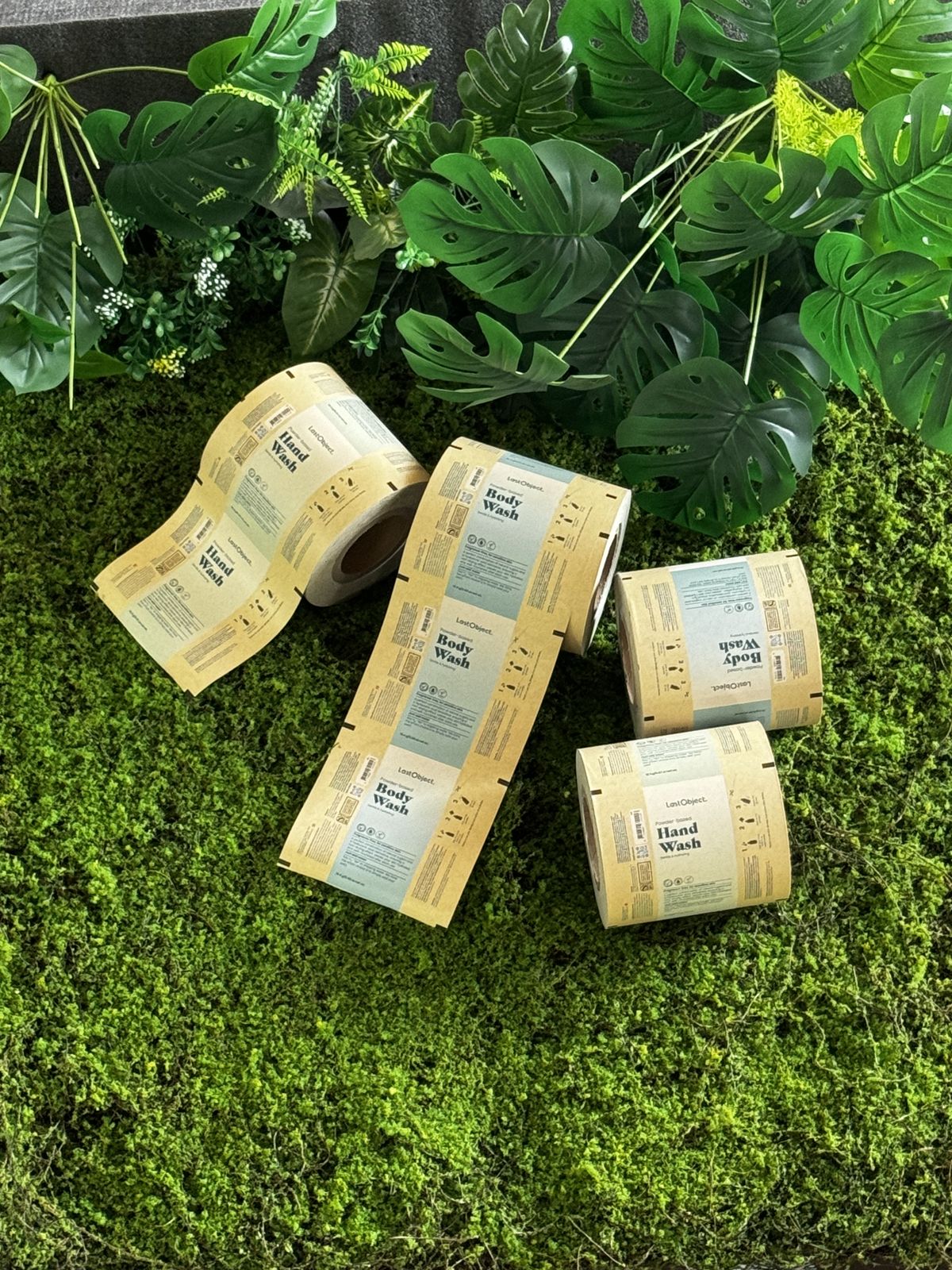
Premium Black Matte Coffee Bag
Sleek matte black flat bottom bag with integrated pocket zipper.
Read Guide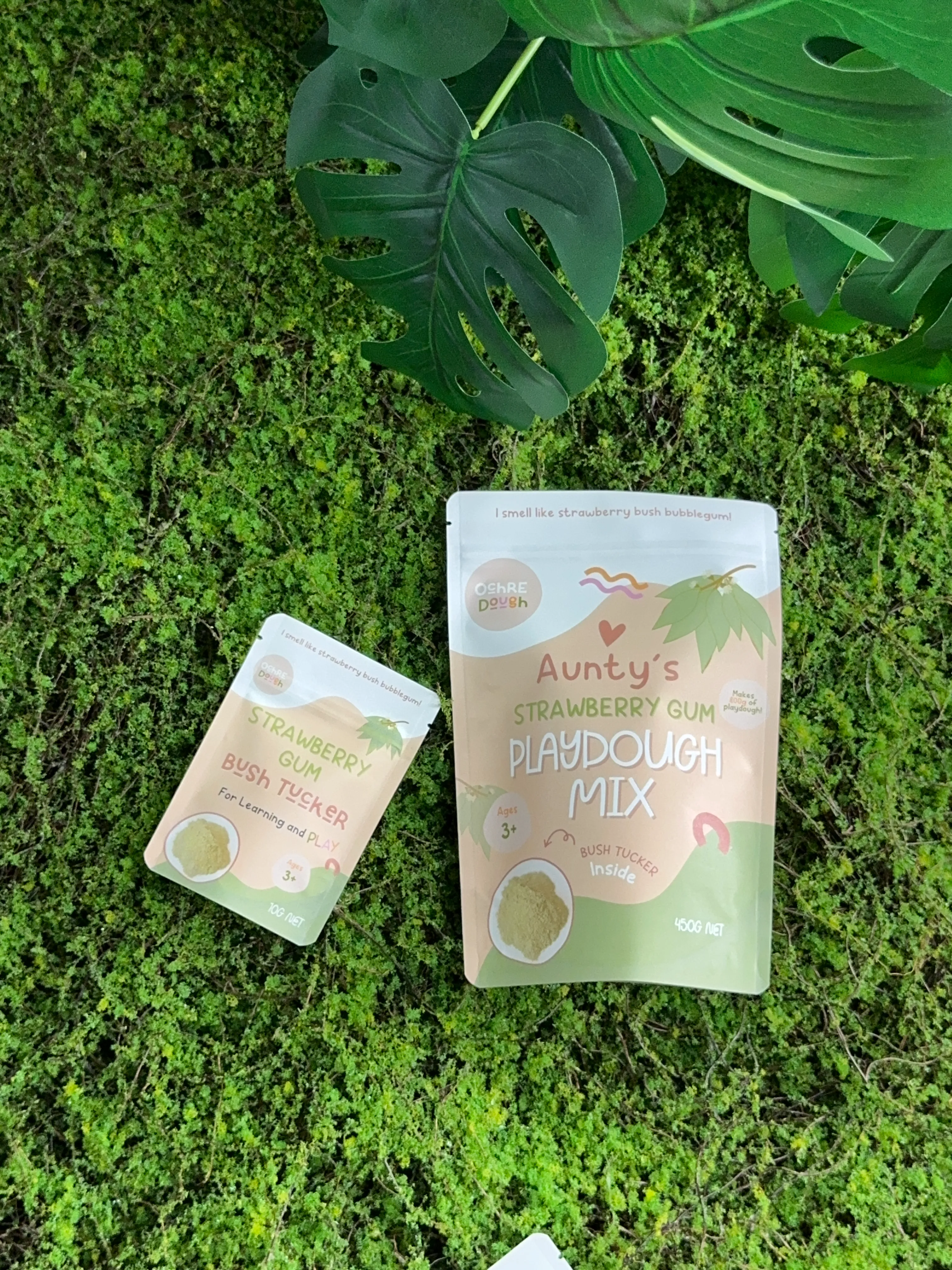
Puncture-Resistant Pet Food Pack
Reinforced structure preventing tears and securing freshness.
Read Guide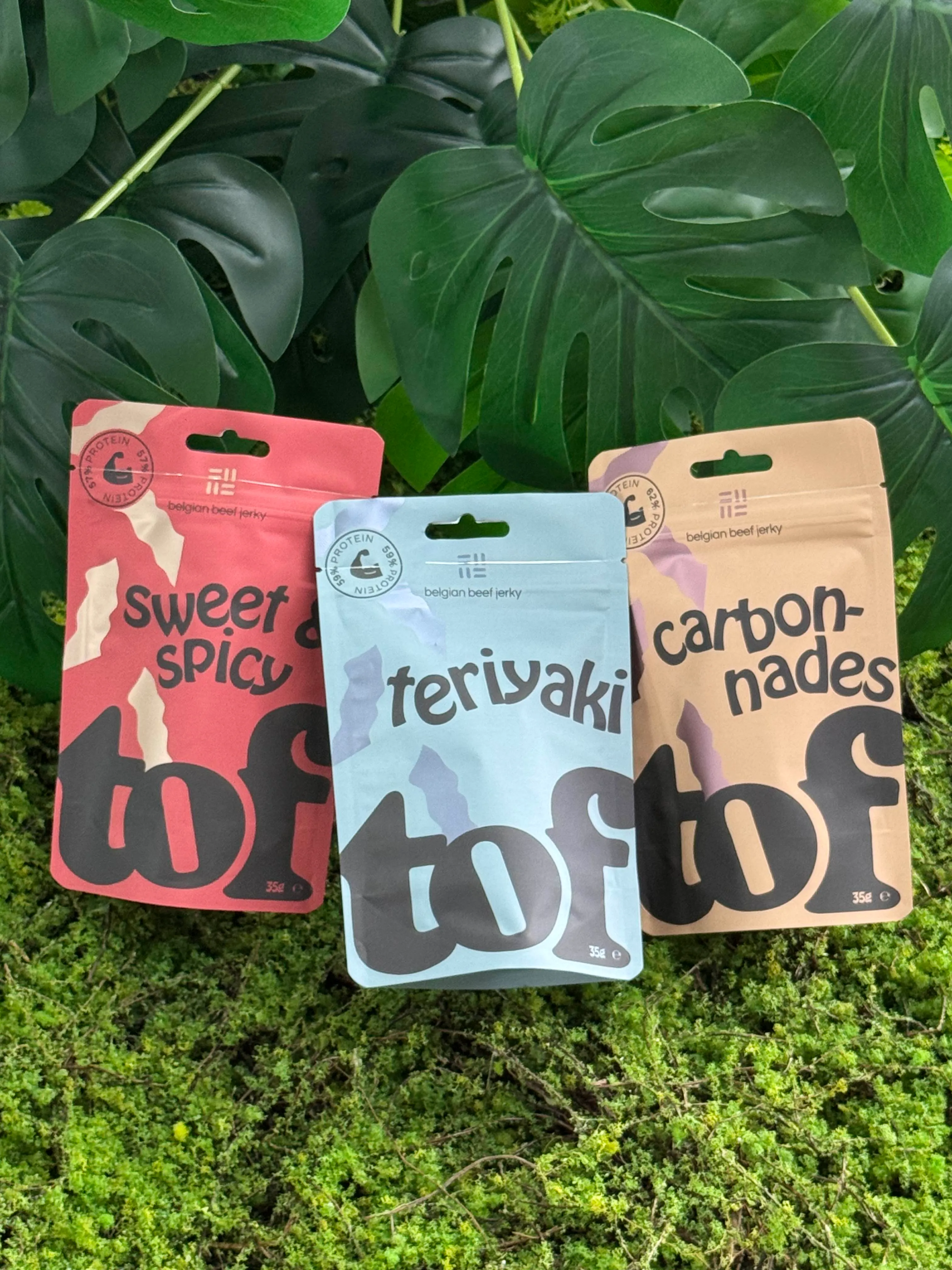
Certified Compostable Snacks Pouch
High-barrier plant-based flexible stand-up packaging for organic snacks and granola.
Read Guide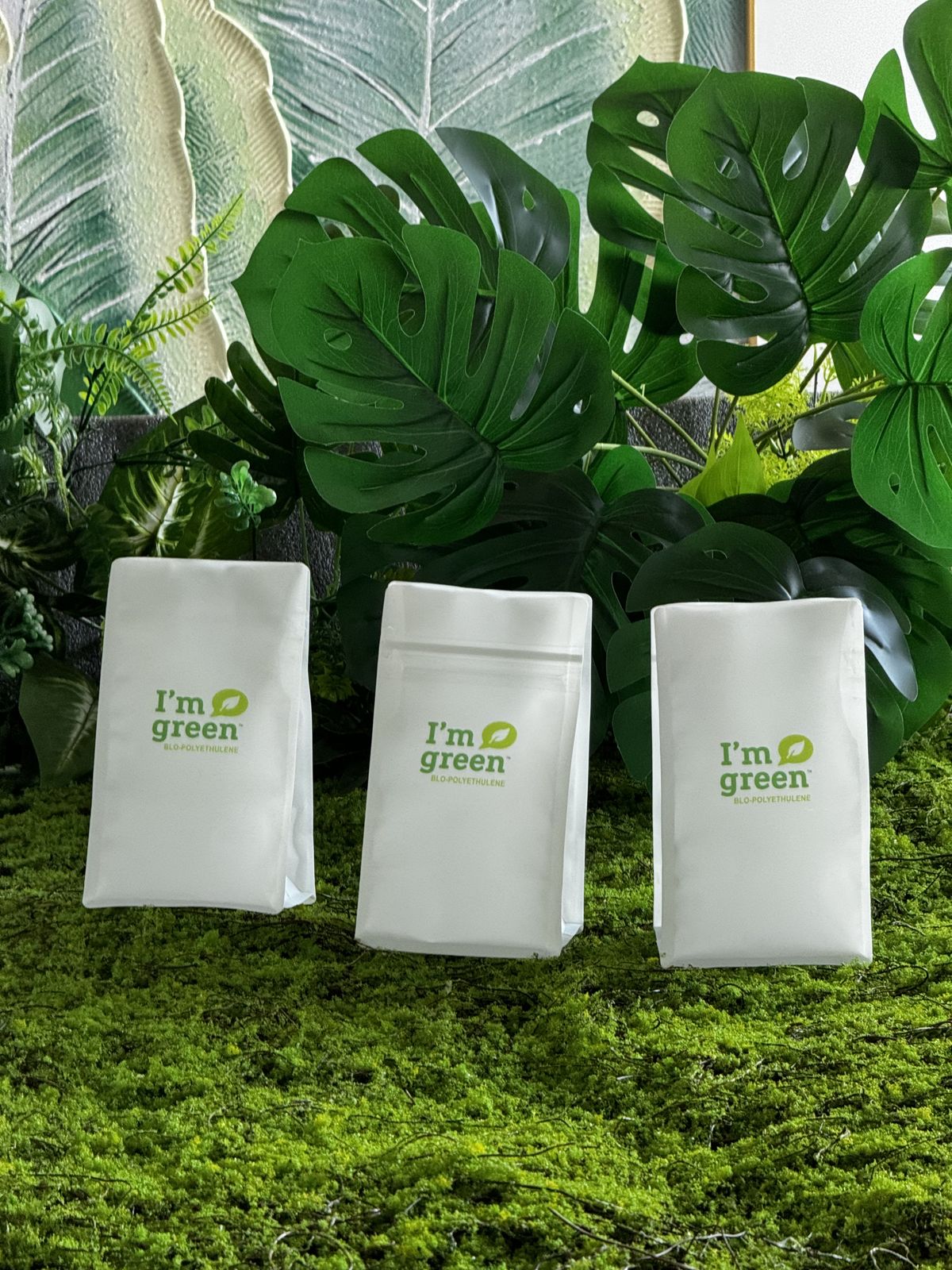
Ecosential Kraft Mailer Bag
Heavy-duty recycled kraft paper mailer bags with self-sealing adhesive strips.
Read Guide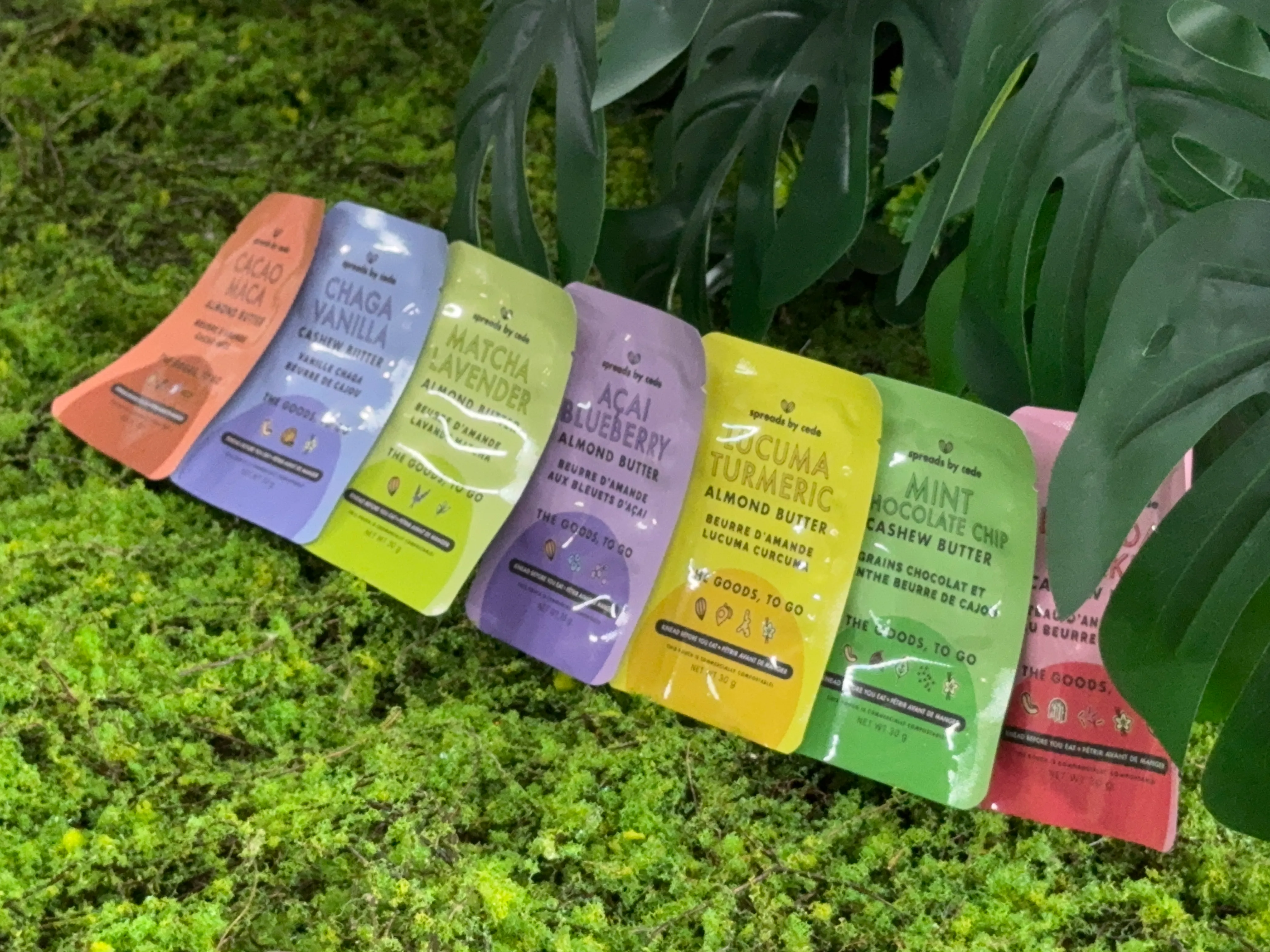
Holographic Metallic Gift Pouch
Shimmering holographic stand-up bag with premium aroma barrier.
Read Guide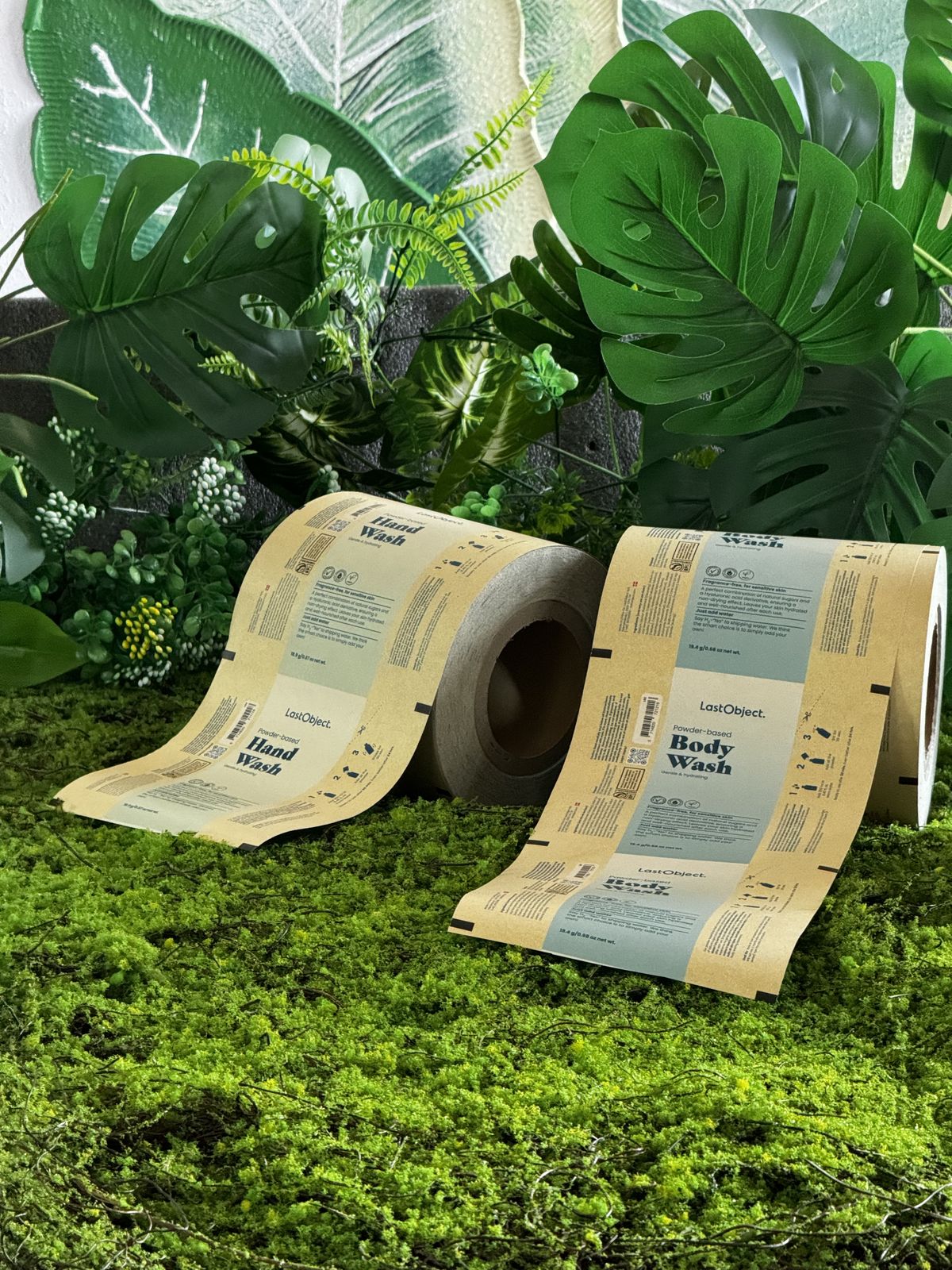
Custom Printed Stand-Up Pouch
High-resolution digital print sample with low minimum order quantity.
Read Guide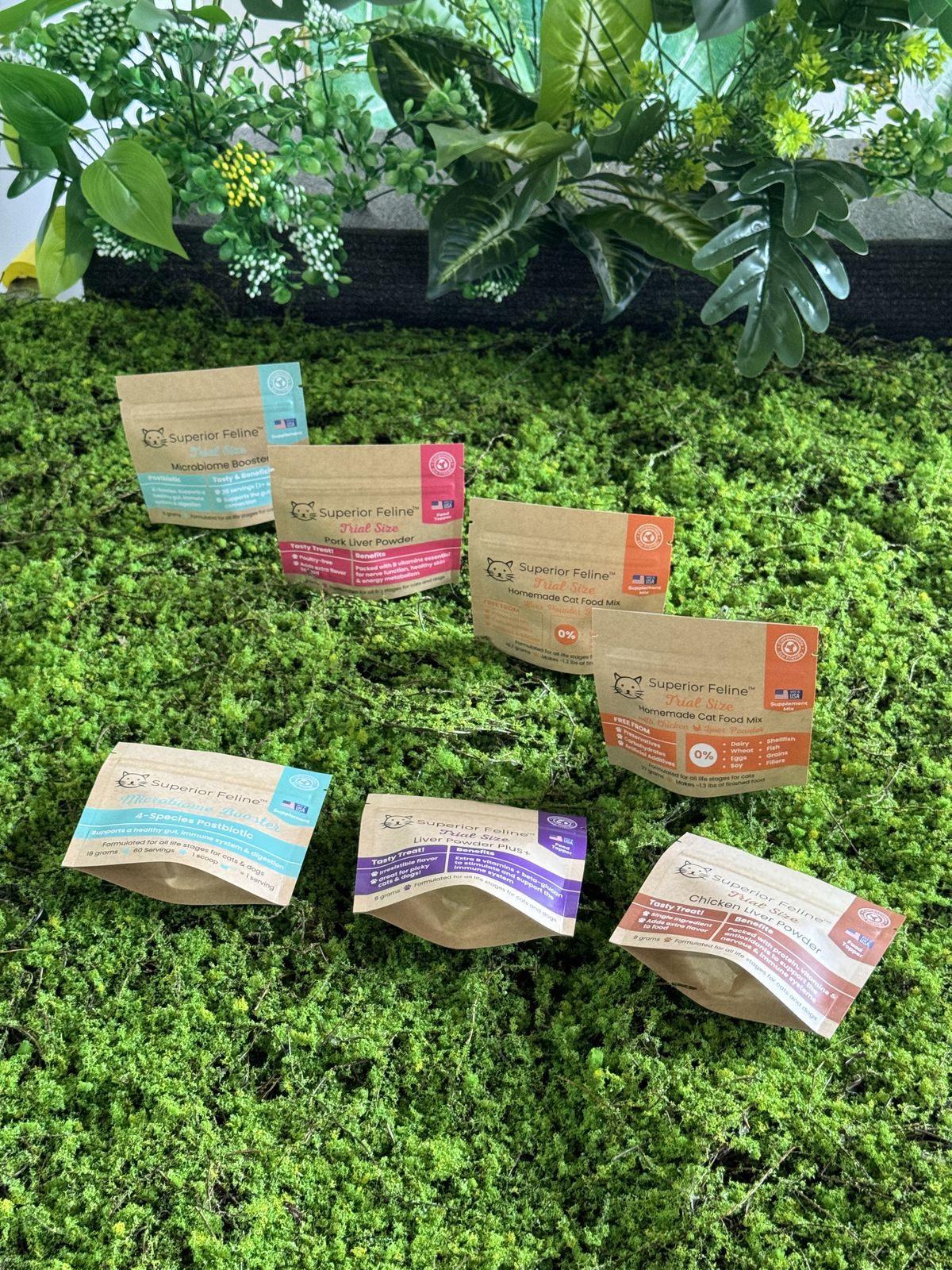
Metallic Luxury Stand-Up Pouch
Premium metalized lining providing ultra-high moisture and oxygen barriers.
Read GuideSee Our Know How
Explore our comprehensive knowledge base on sustainable materials, packaging specifications, and D2C strategies.
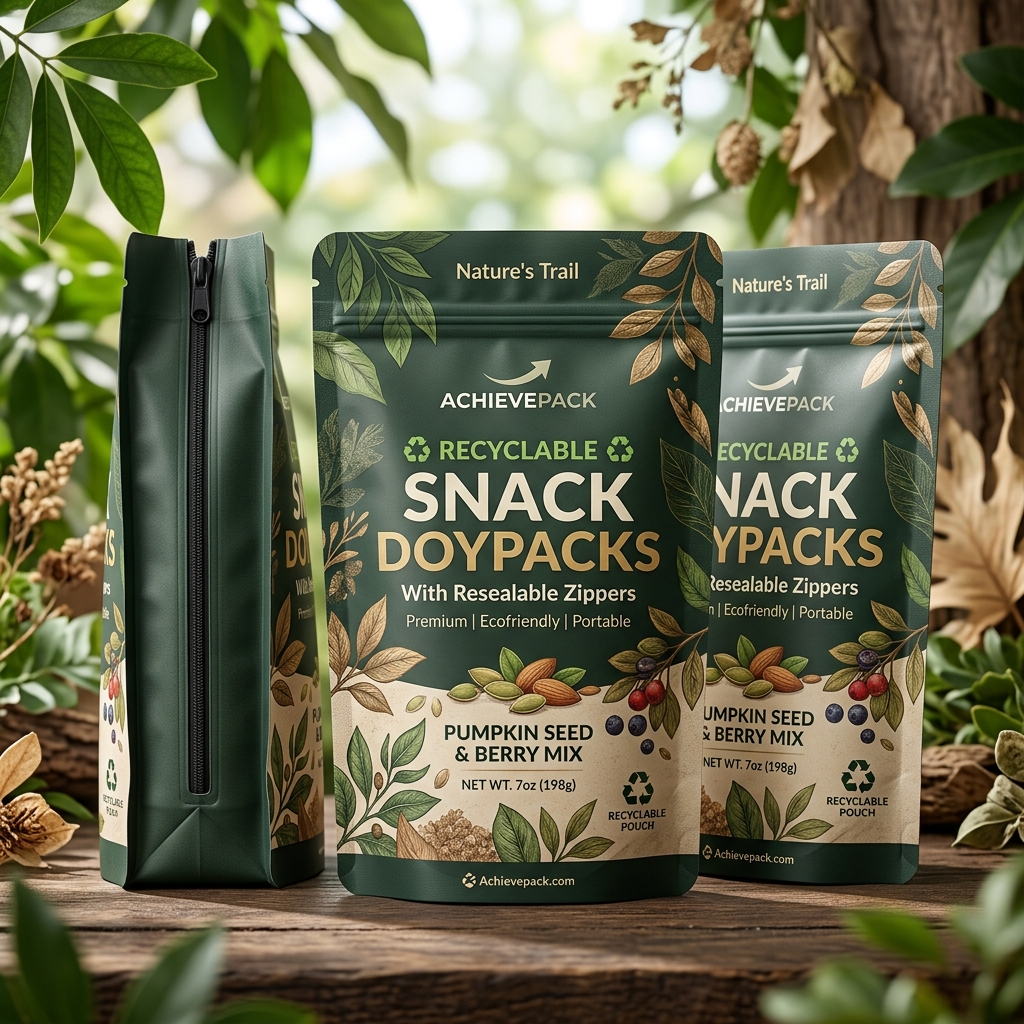
Recyclable Snacks Pouch
Preserving chips and granola freshness using EVOH-coated recyclable polyethylene structures.
Read Guide
Compostable Zippers
How biodegradable press-to-close zippers preserve freshness without polluting composting streams.
Read Guide
Compostable vs Recyclable
Deciding between circular plastic recovery and organic composting paths for your packaging.
Read Guide
PFAS-Free Food Packaging
Ensuring compliance with local environmental acts by utilizing PFAS-free barriers.
Read Guide
Compostable Materials
Overview of organic starch-based polymers and plant cell membranes that biodegrade safely.
Read Guide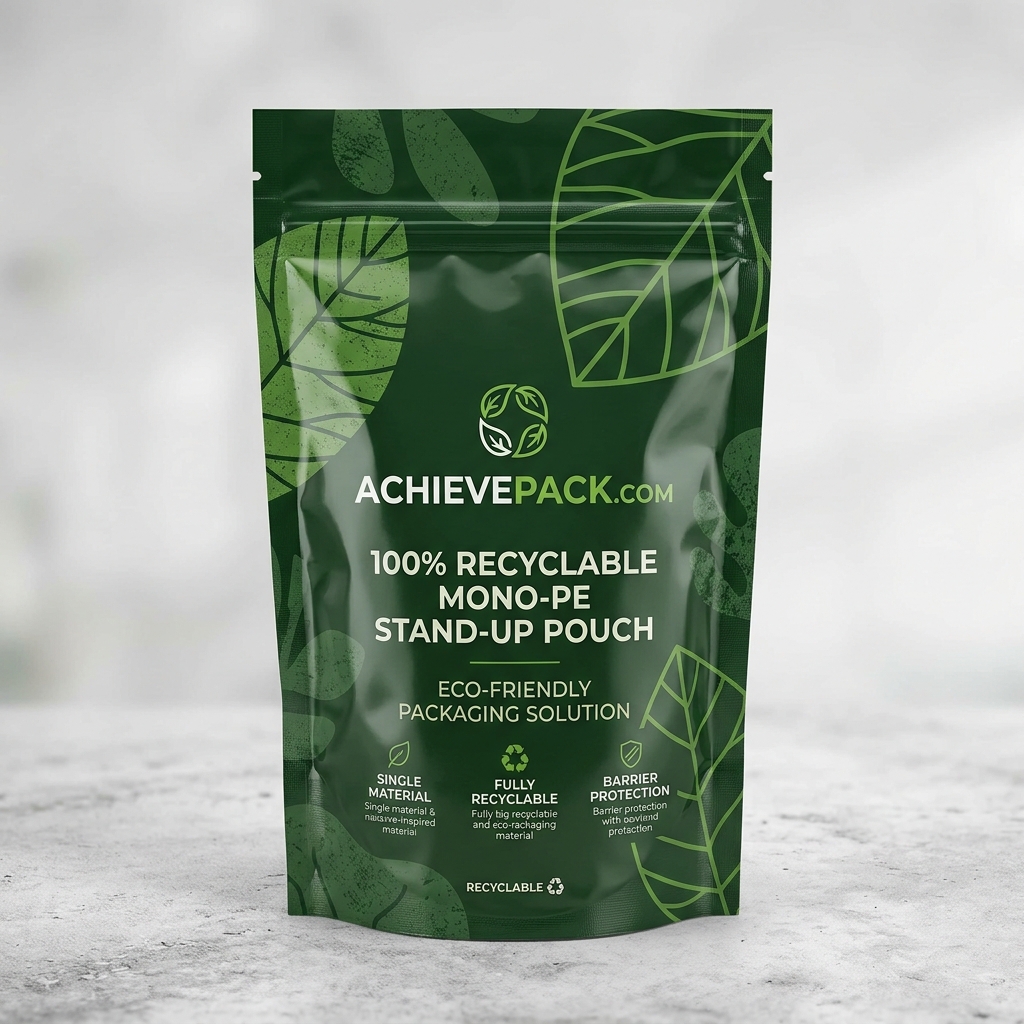
Mono-Material PE Guide
Technical deep-dive on single-polymer laminates that fulfill circular economy requirements.
Read Guide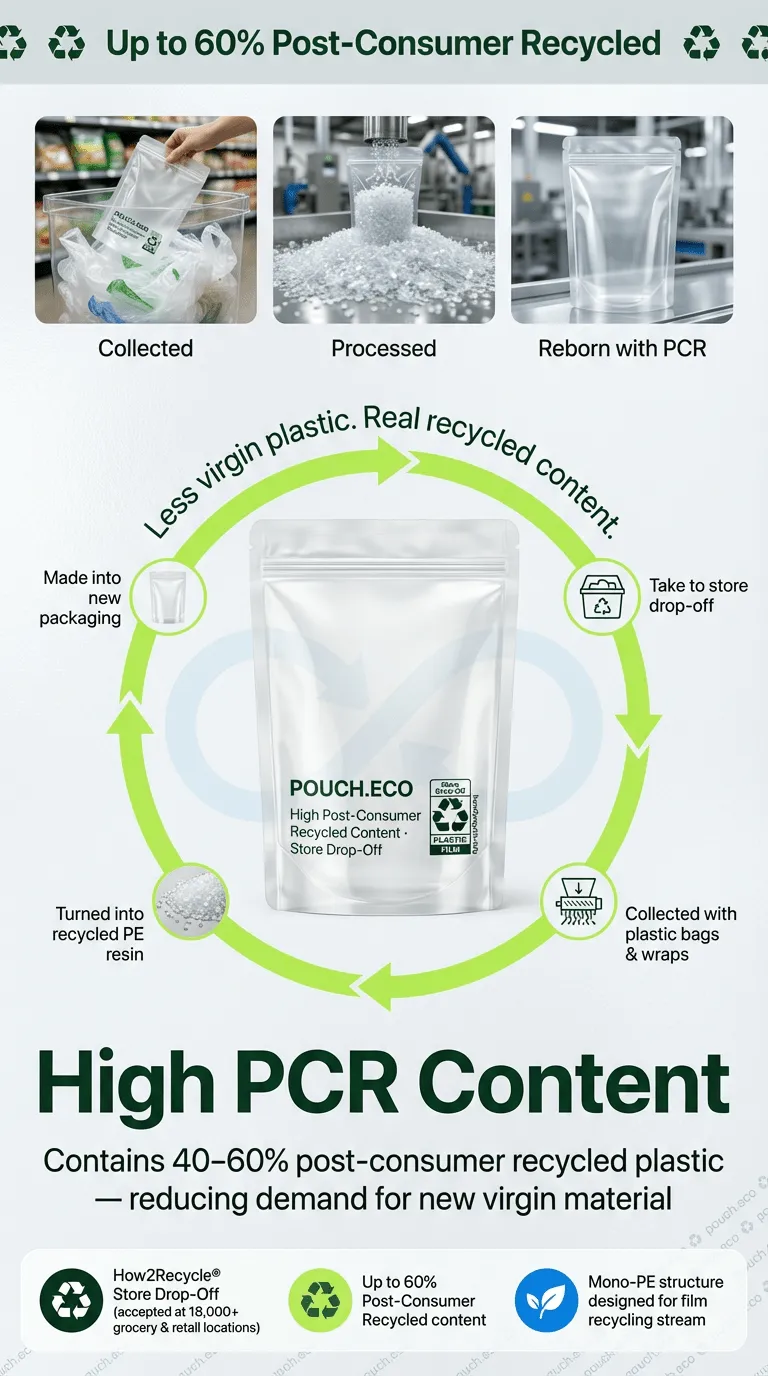
Post-Consumer Recycled
Reusing plastic ocean waste and curbside recyclables to fabricate premium composite barrier films.
Read Guide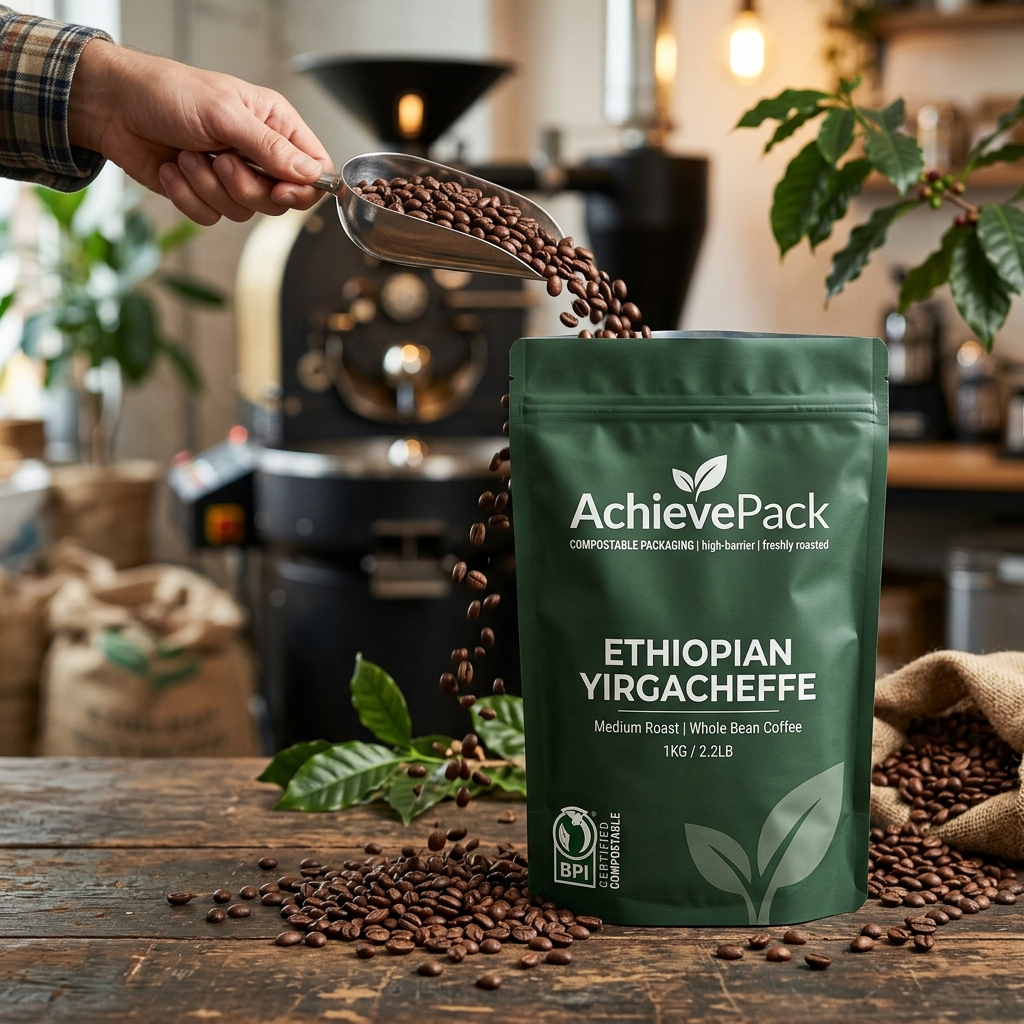
Coffee Roaster Packaging
High-barrier foil stand-up and flat bottom bags equipped with degassing valves.
Read Guide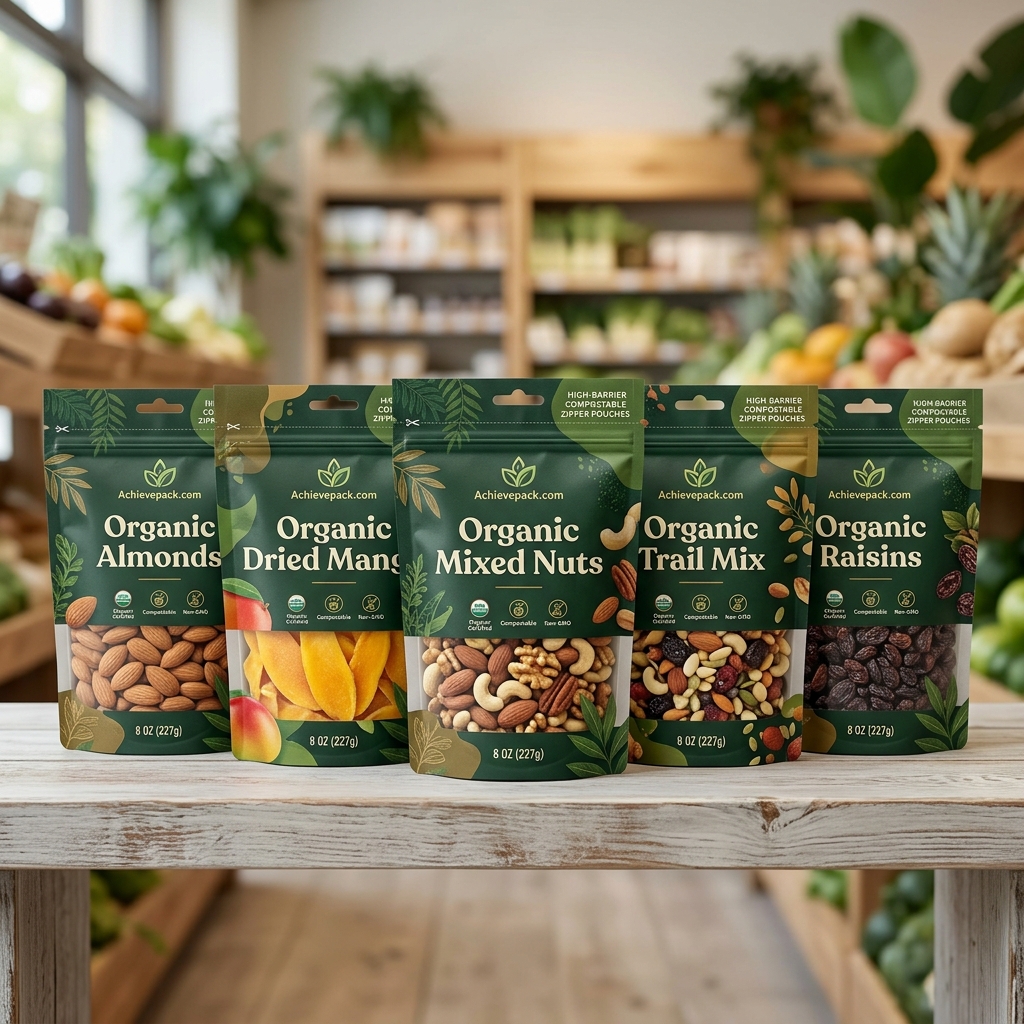
Snack Brand Packaging
Lightproof and air-tight pouches to maintain crispness and extend retail shelf life.
Read Guide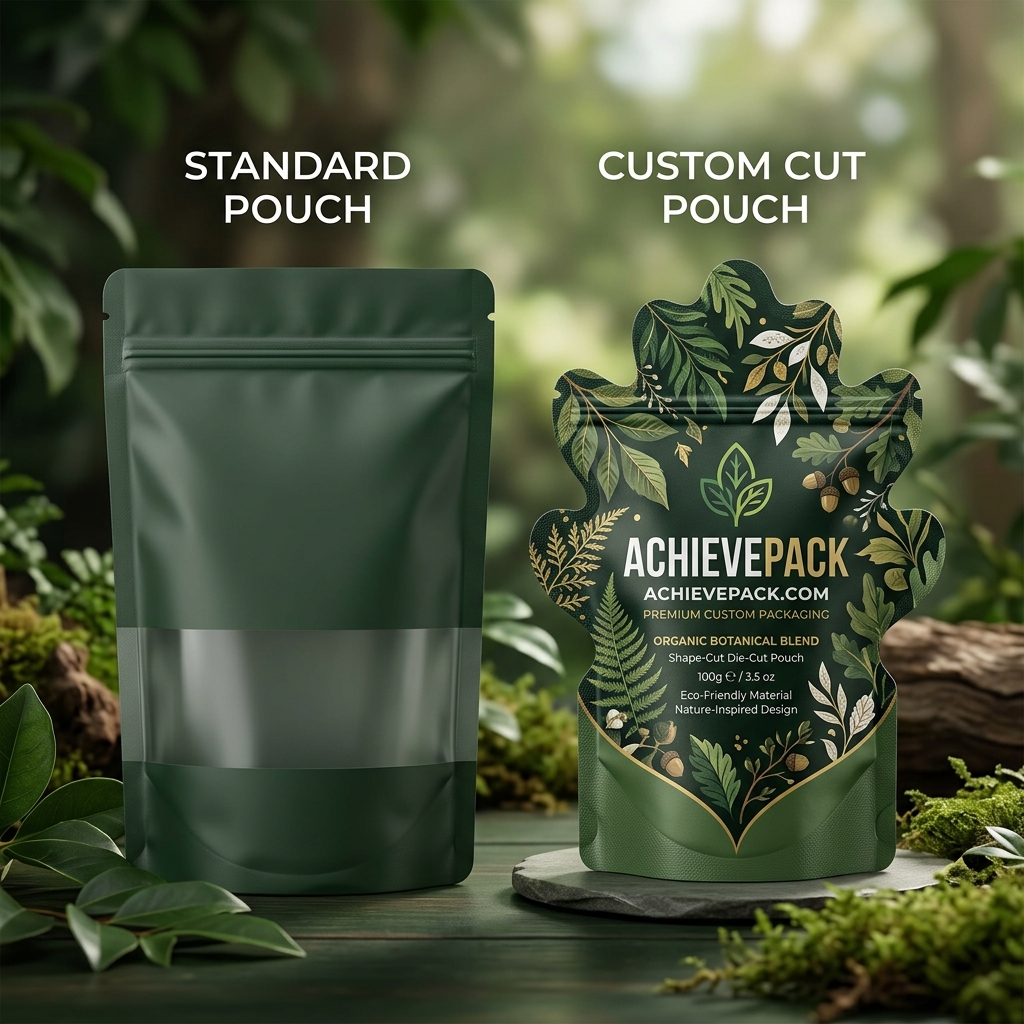
Custom Printed Boxes
Sturdy corrugated cardboard boxes, mailers, and custom retail displays with custom finishes.
Read Guide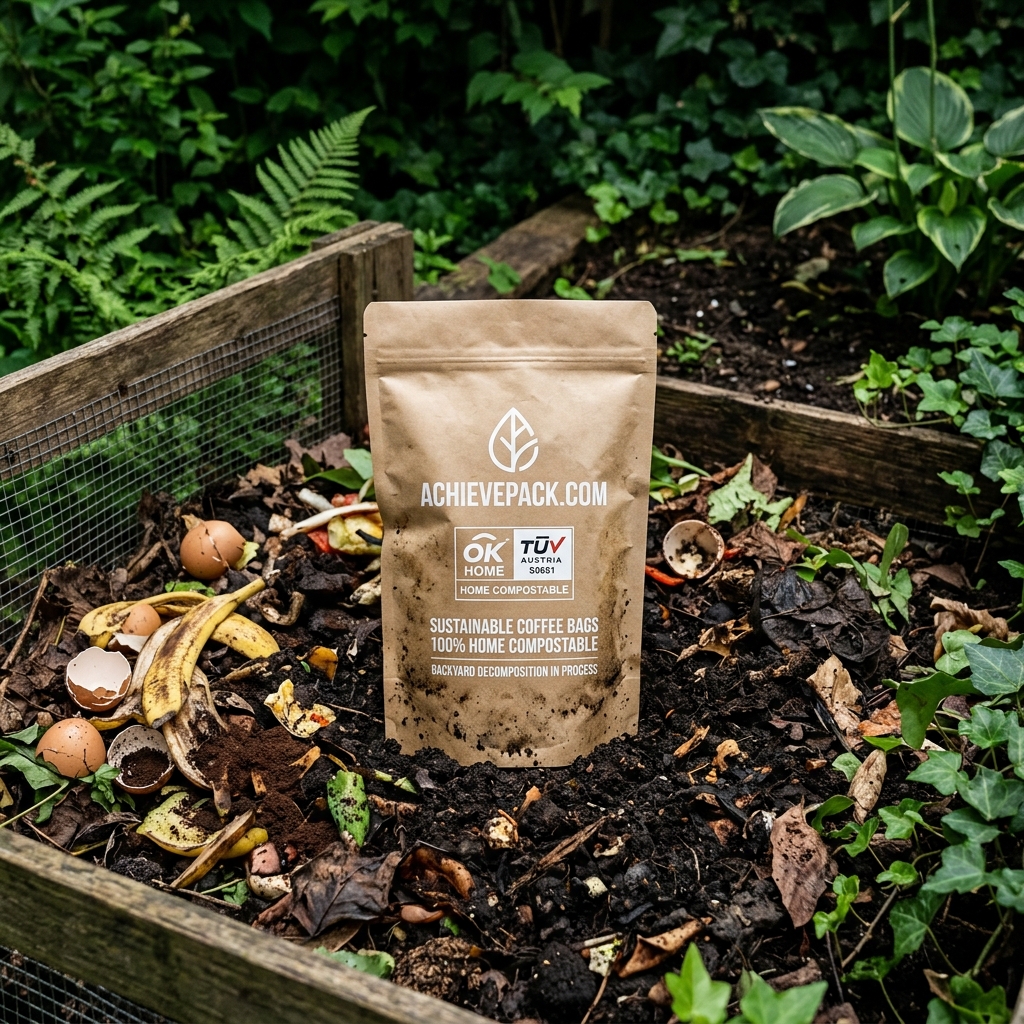
Home Compostable Coffee
Integrating plant-based degassing valves and compostable films to create home-friendly coffee bags.
Read Guide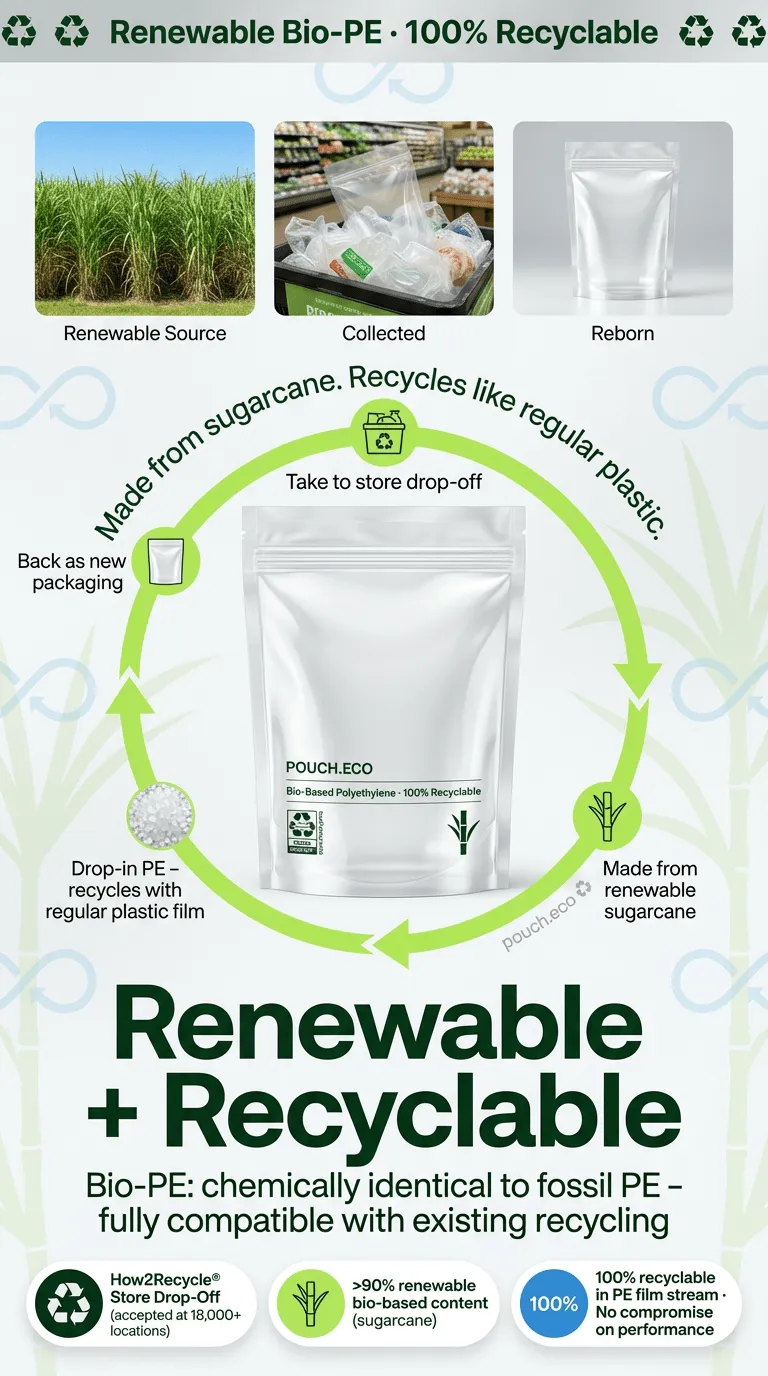
Sugarcane Bio-PE
Plant-based polyethylene films derived from sugarcane that reduce carbon footprint.
Read Guide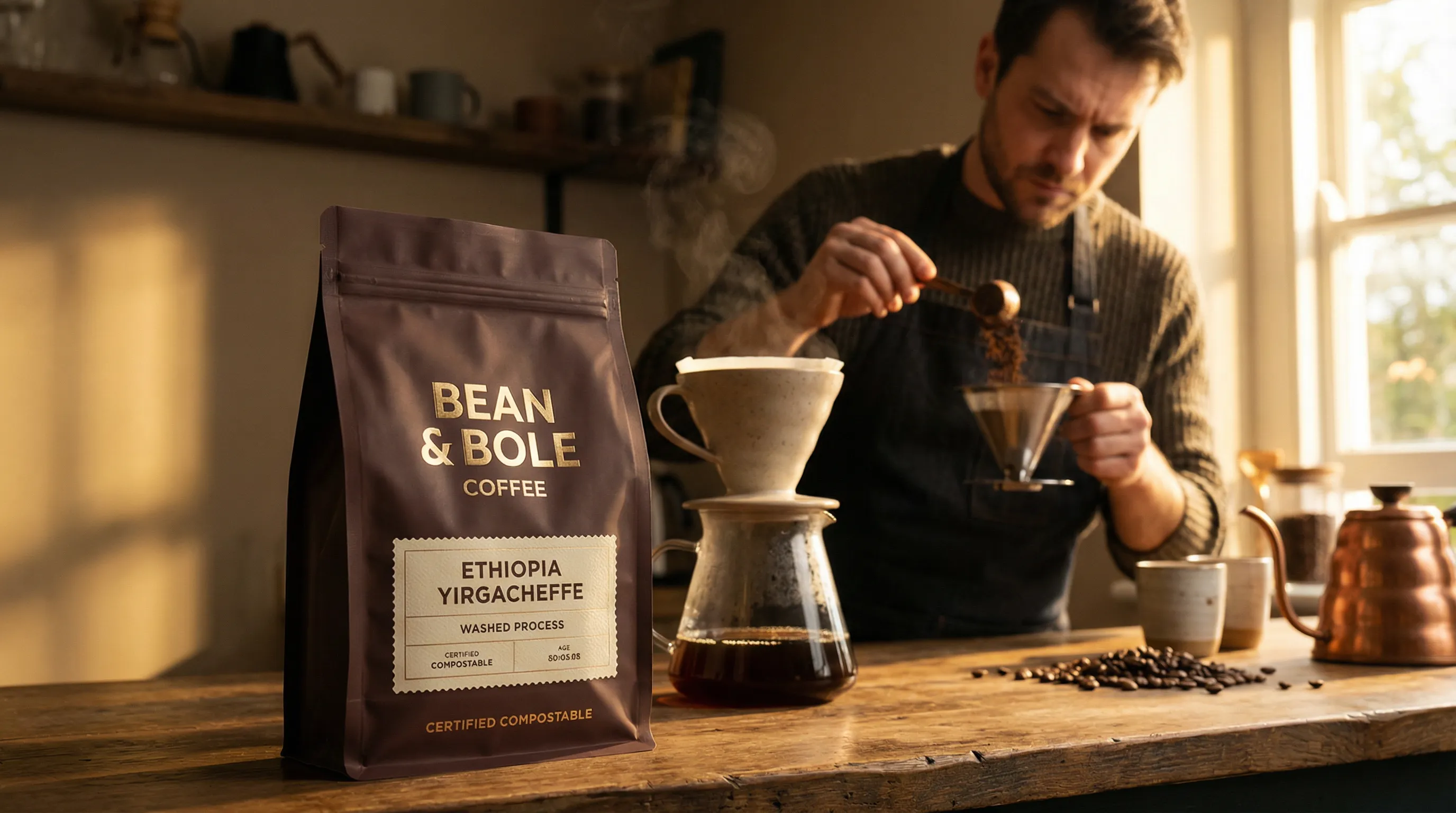
Coffee Roastery Case Study
How a specialty Seattle roastery shifted to 100% compostable bags without dropping speed.
Read Guide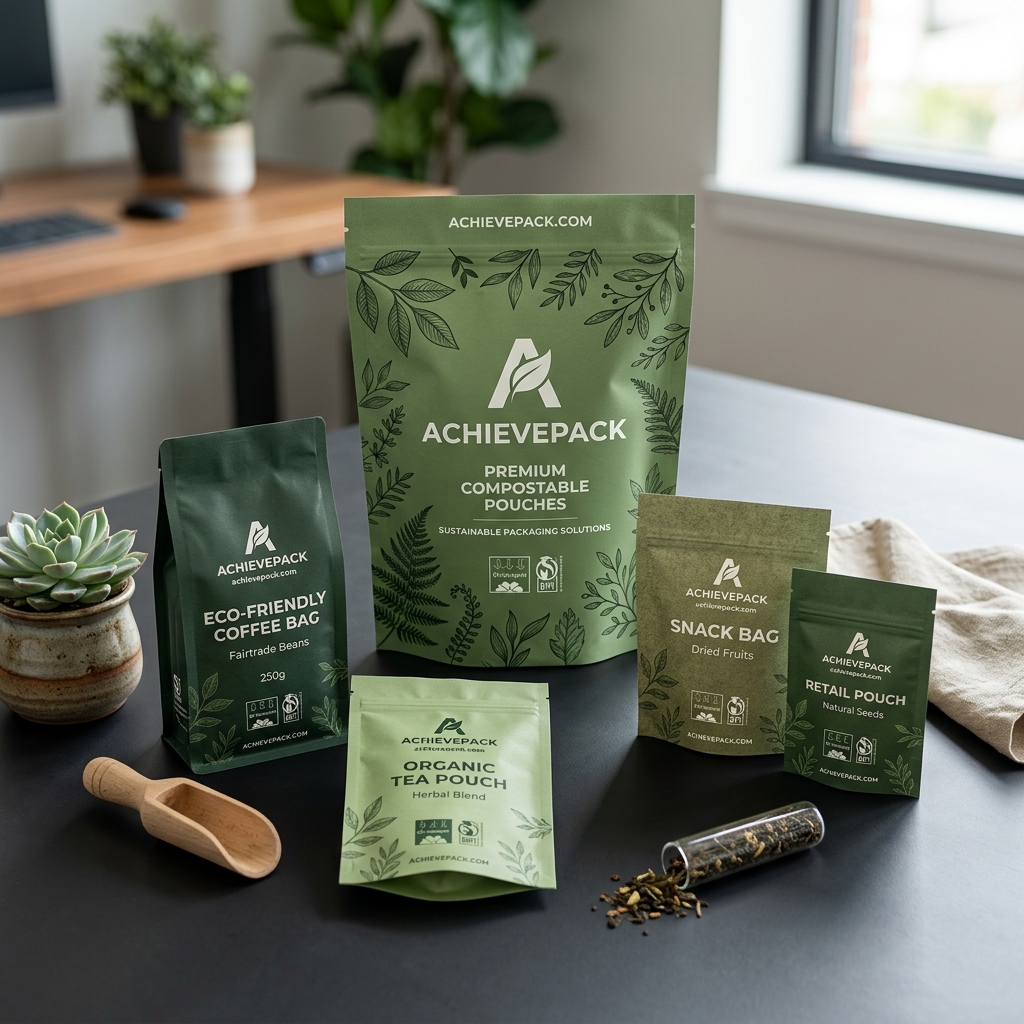
Startup Founder Solutions
Low MOQ, design support, and rapid prototyping workflows for launching products.
Read Guide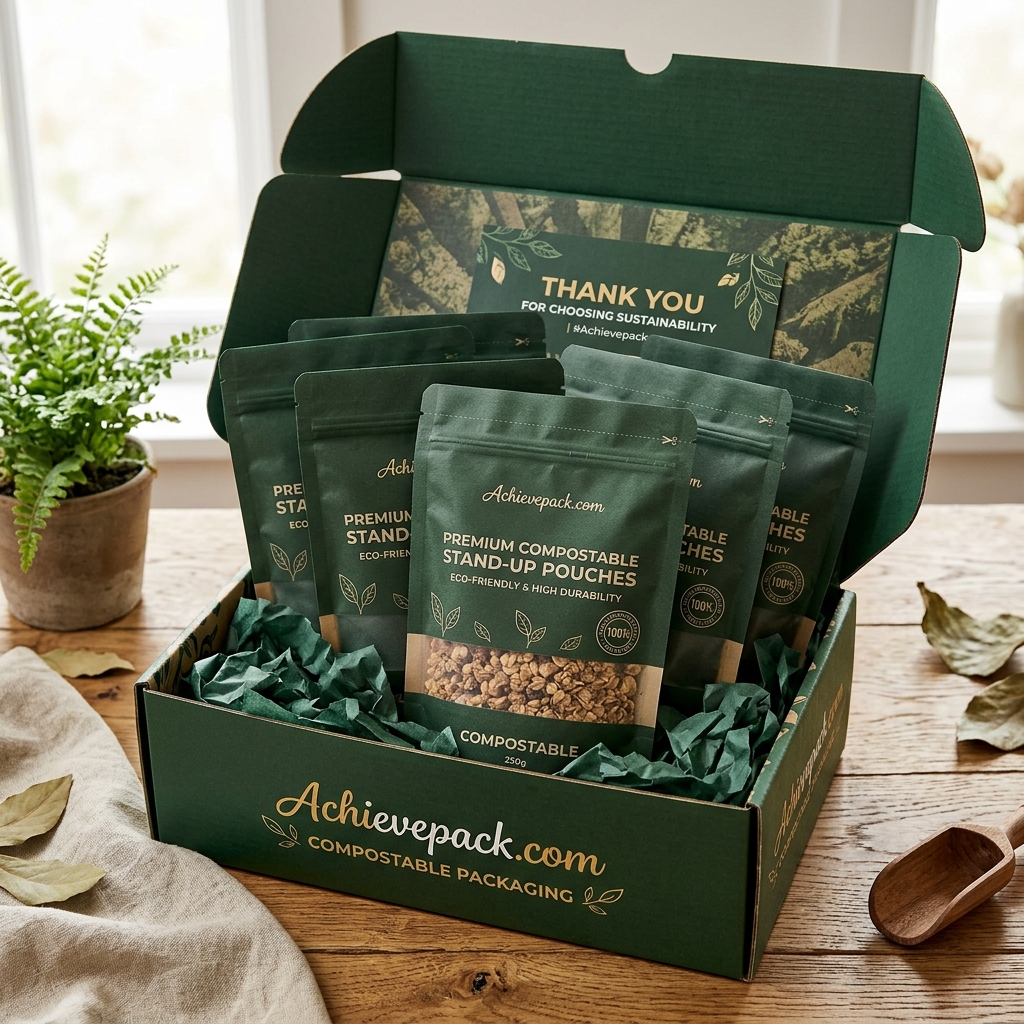
Ecommerce Brand Packaging
Optimizing mailers, shipping boxes, and secondary pouches for D2C transit safety.
Read Guide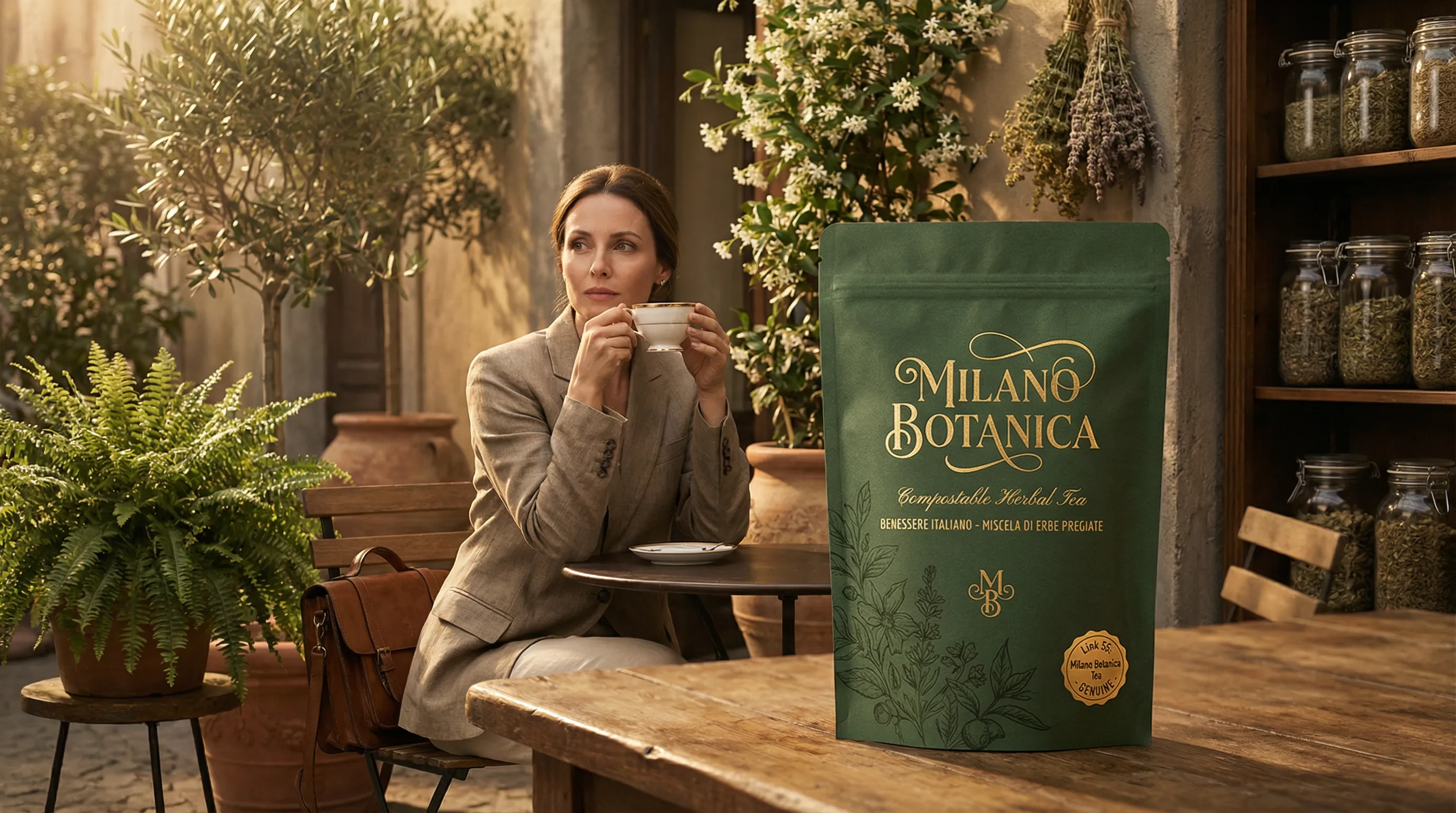
Tea Brand Case Study
Transitioning to plastic-free kraft bags to align with clean label values.
Read Guide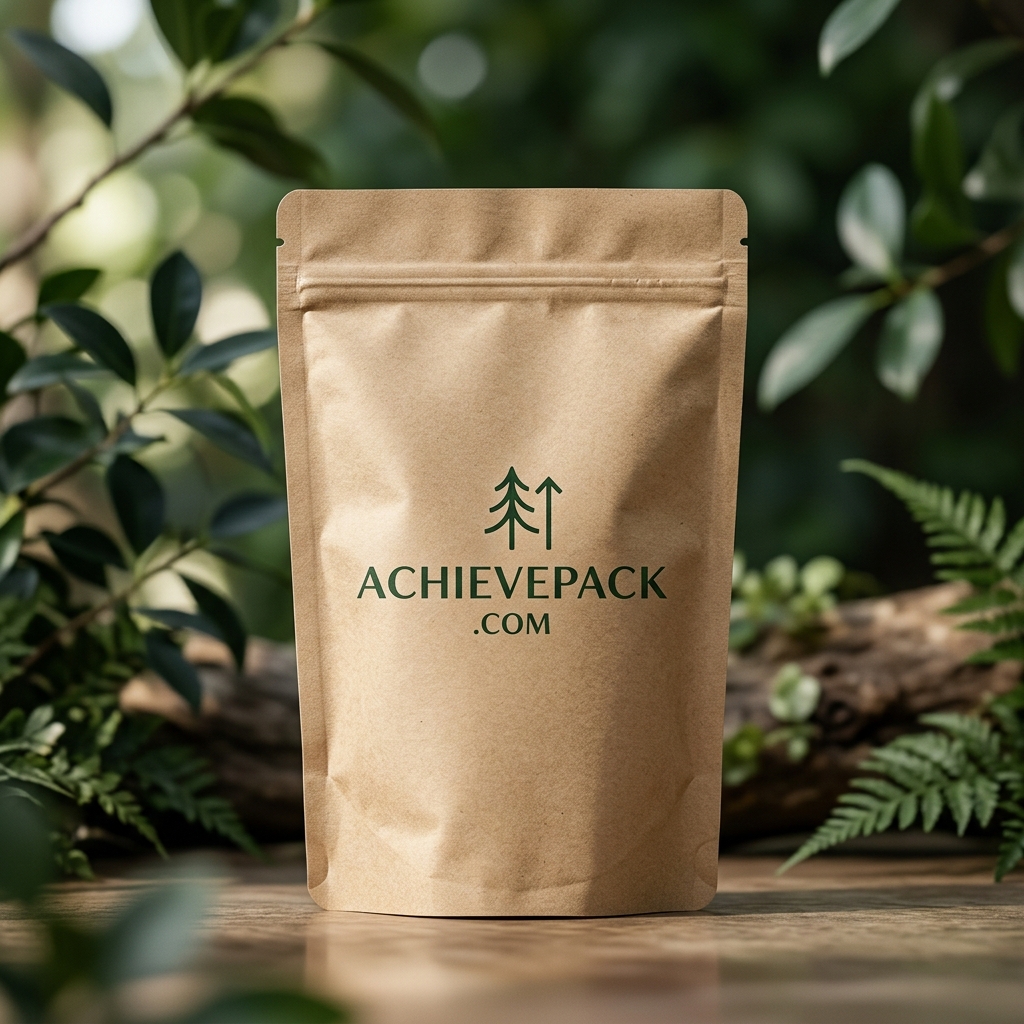
Minimalist D2C Branding
Designing clean packaging layouts that reduce ink waste and capture consumer interest.
Read Guide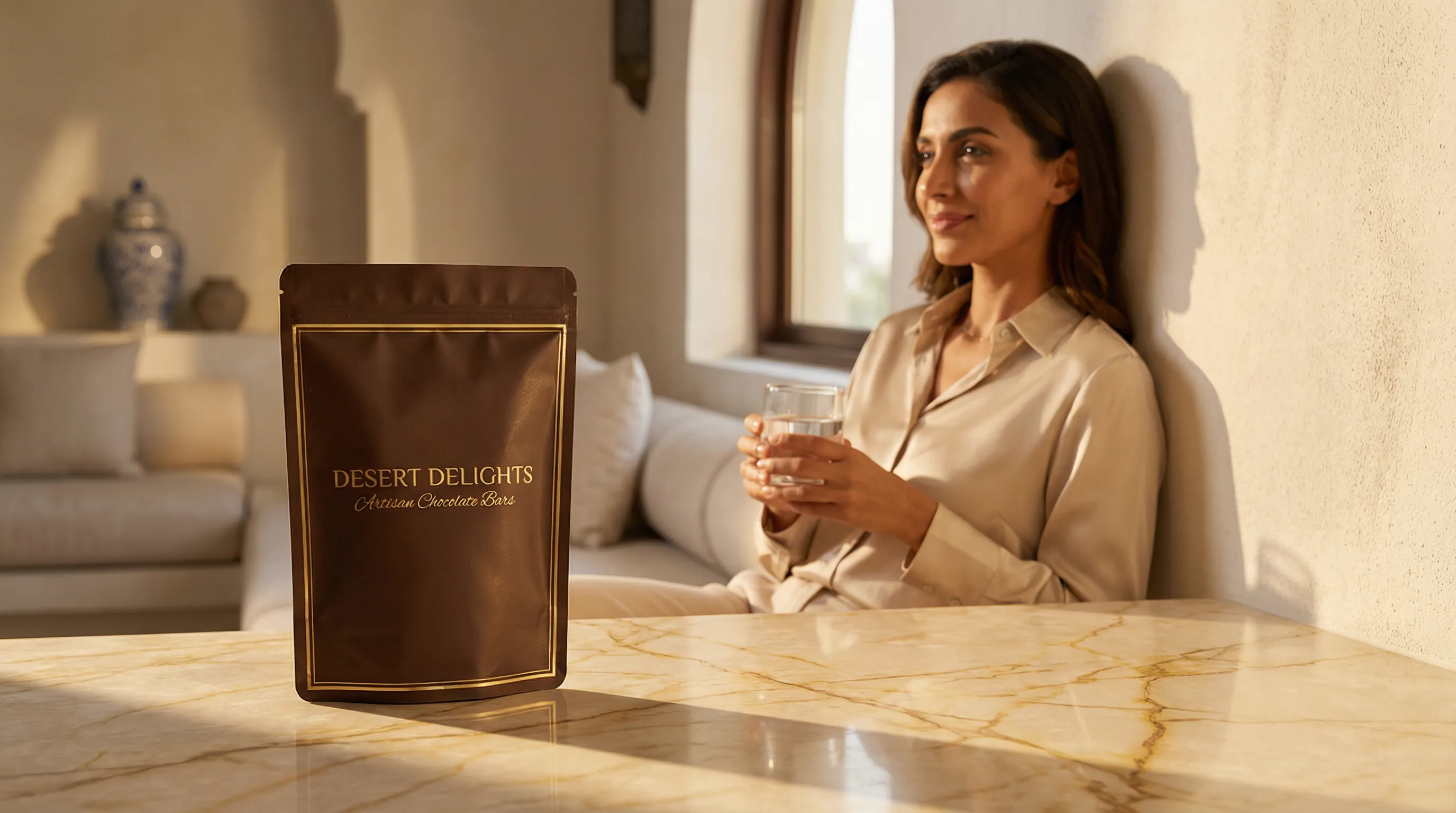
Chocolate Brand Case Study
Eco-luxe chocolate brand showcases premium rigid box and compostable pouch designs.
Read Guide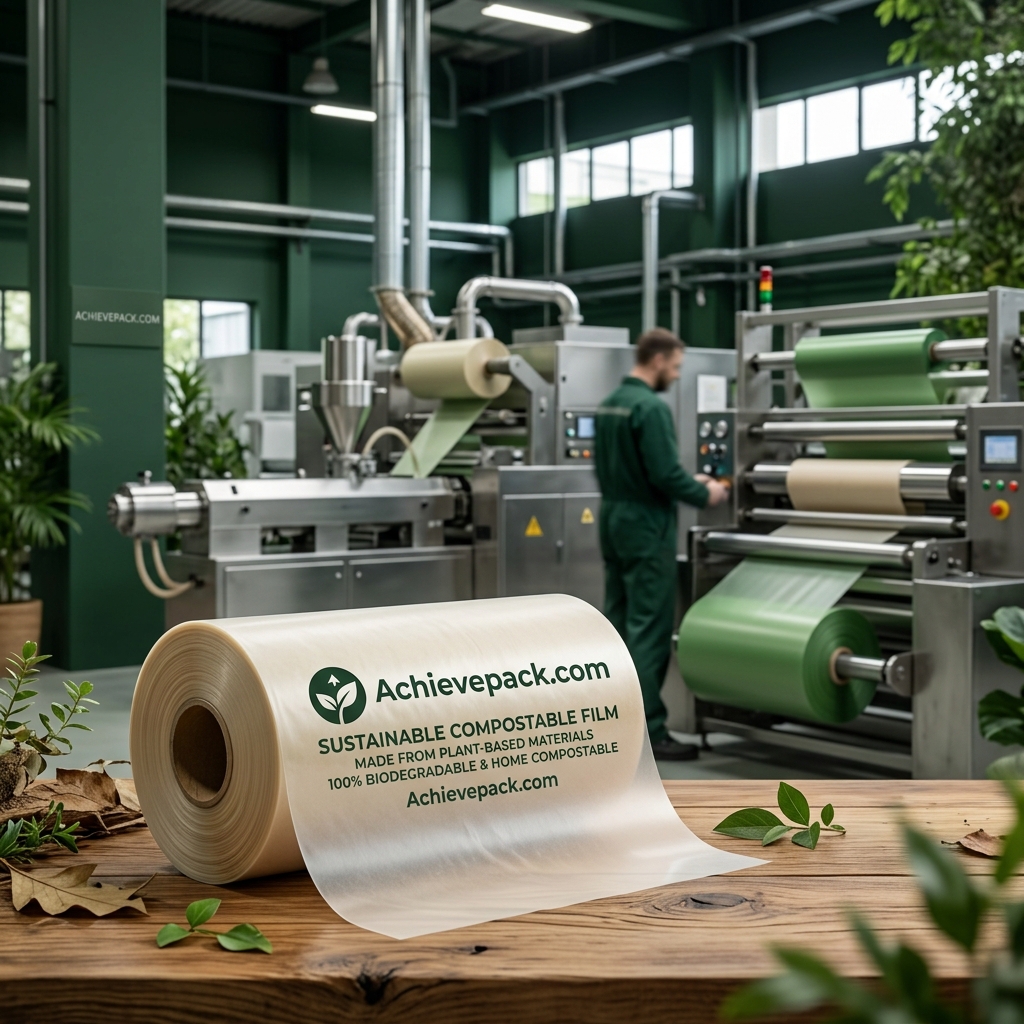
USA Compostable Standards
Guidelines on ASTM D6400 certification, BPI labels, and local state labeling mandates.
Read Guide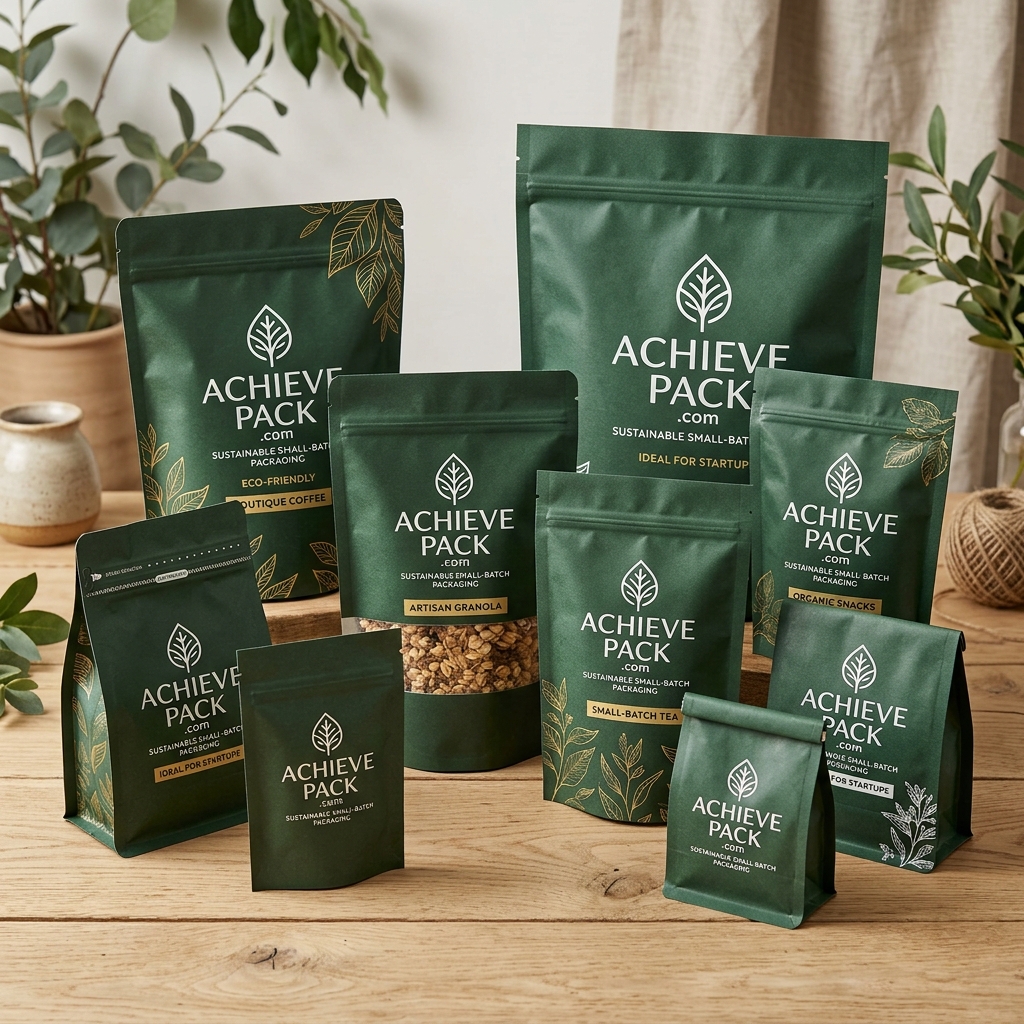
Low MOQ Startup Tips
Strategic advice on split-shipping, template reuse, and digital runs for multi-SKU brands.
Read Guide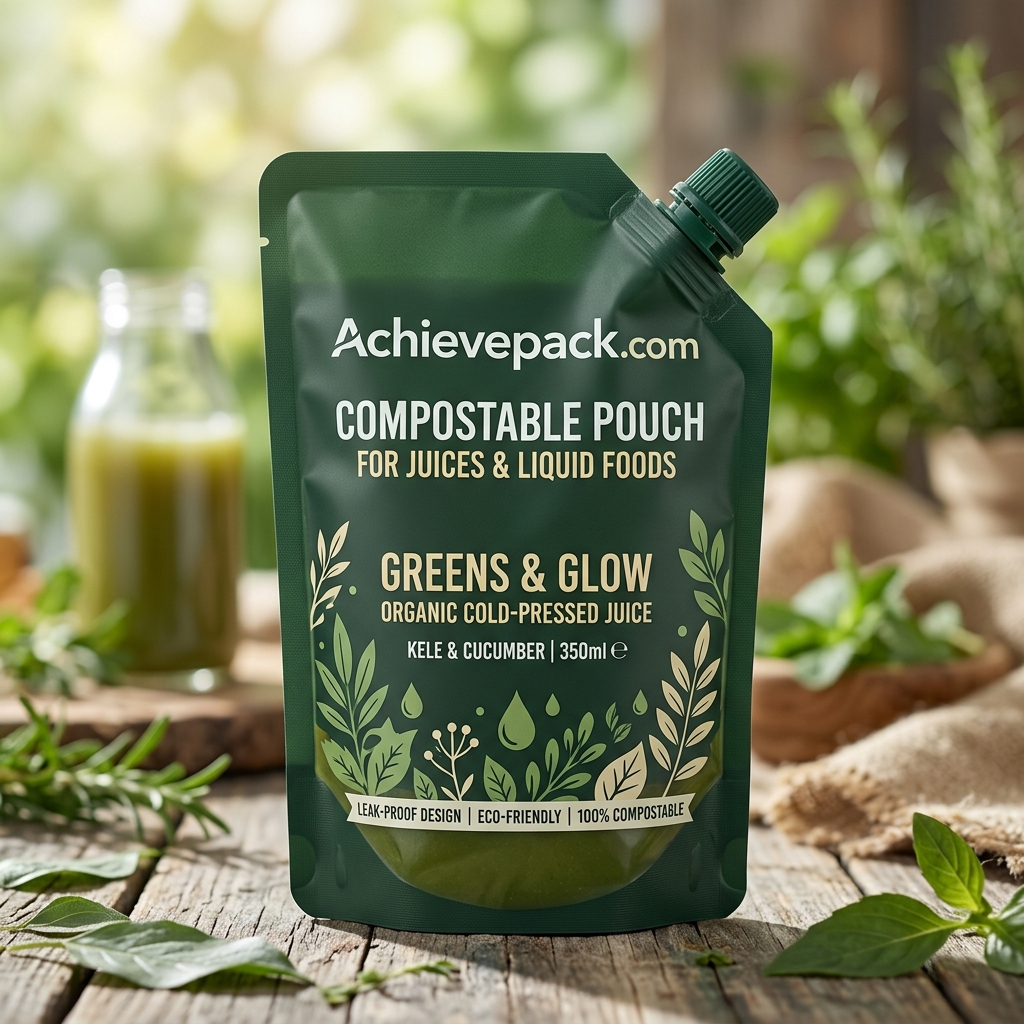
Spouted Liquid Pouches
Flexible bottle-shaped pouches with fitment caps designed to hold cosmetics, drinks, and purees.
Read Guide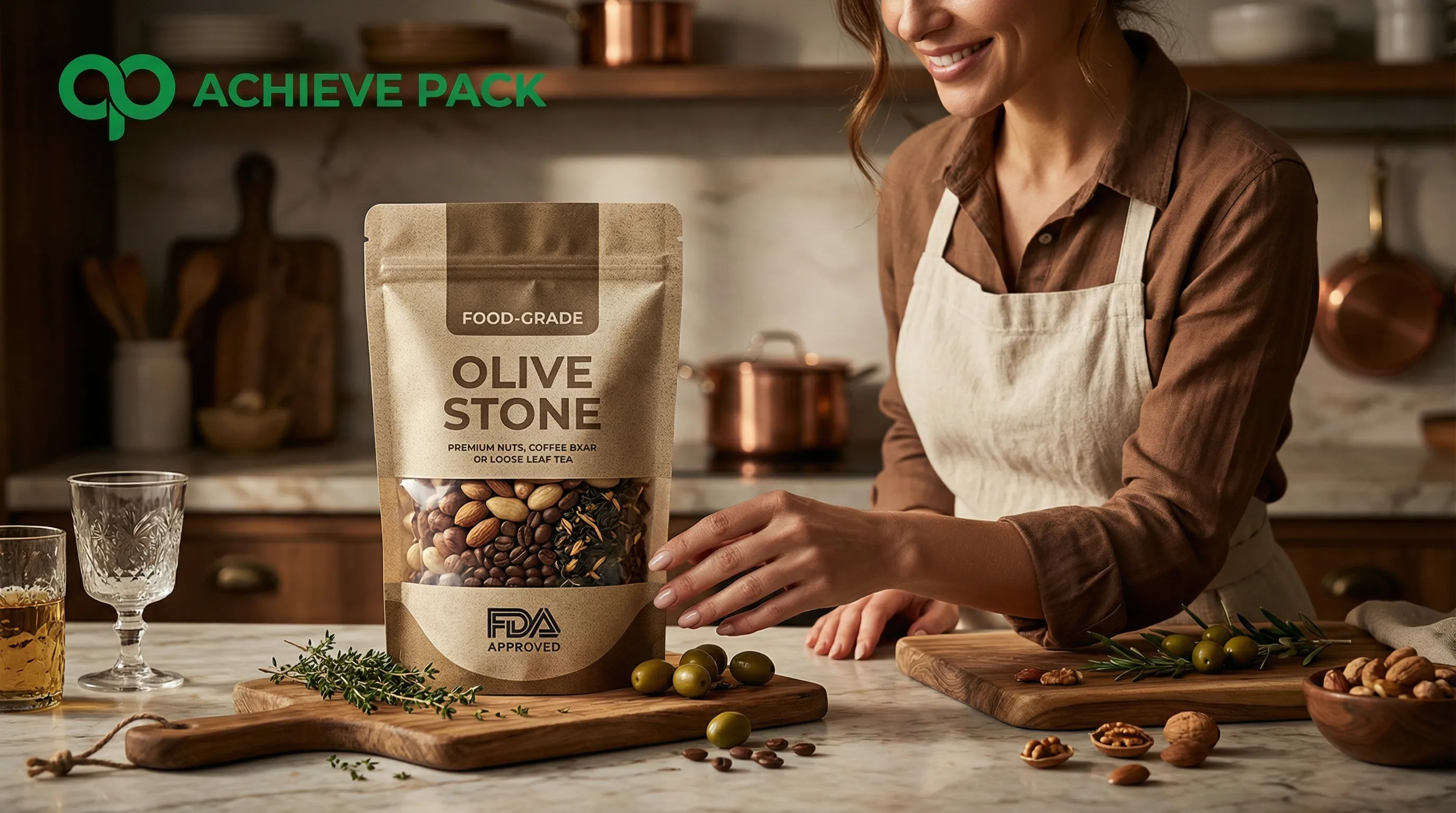
Pet Treats Case Study
Developing high-volume pet food pouches with puncture-resistant layers and durable zippers.
Read Guide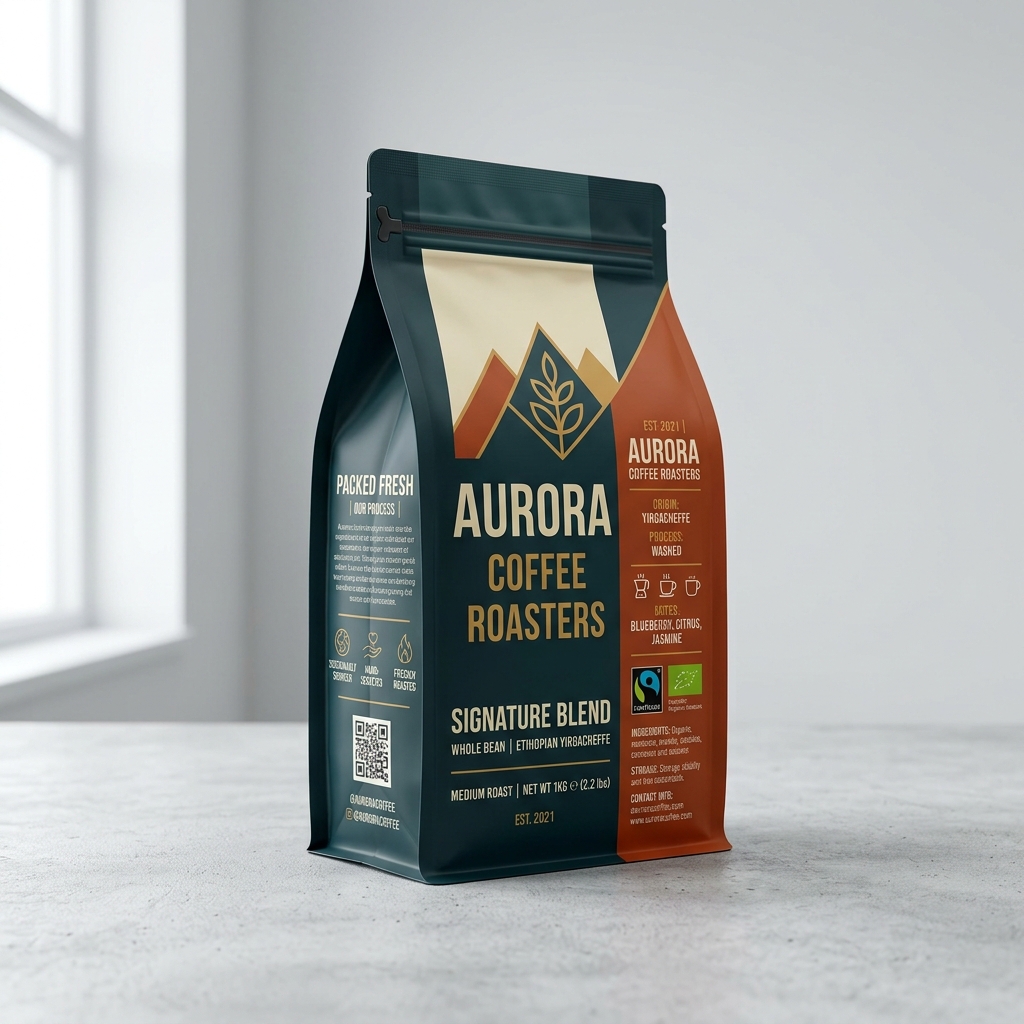
Flat Bottom Bags
Maximum stability with five printable panels, ideal for heavy coffee beans and dry pet food.
Read Guide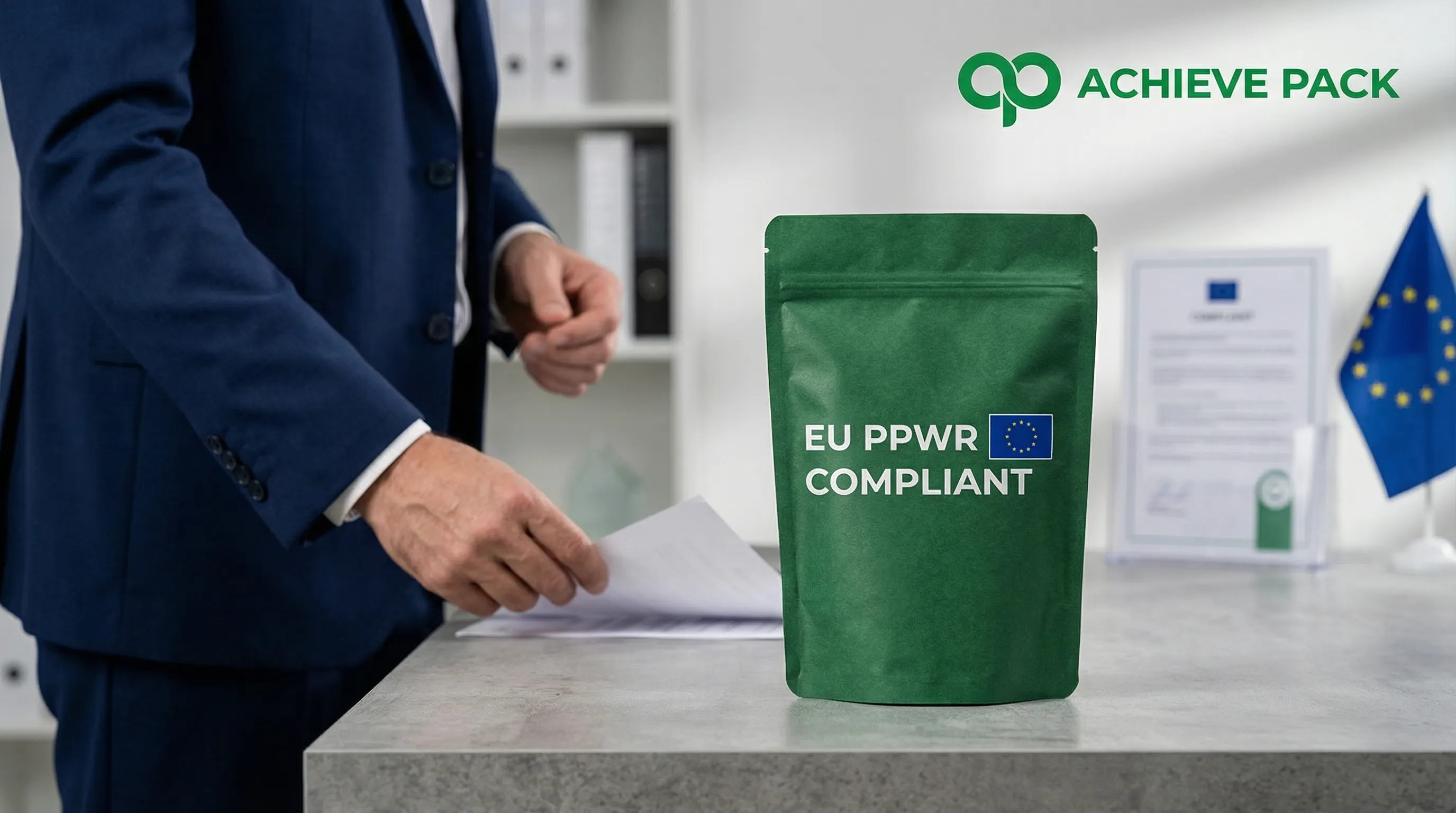
EU PPWR Compliance
Understanding the new European Union packaging regulations and recycling requirements.
Read Guide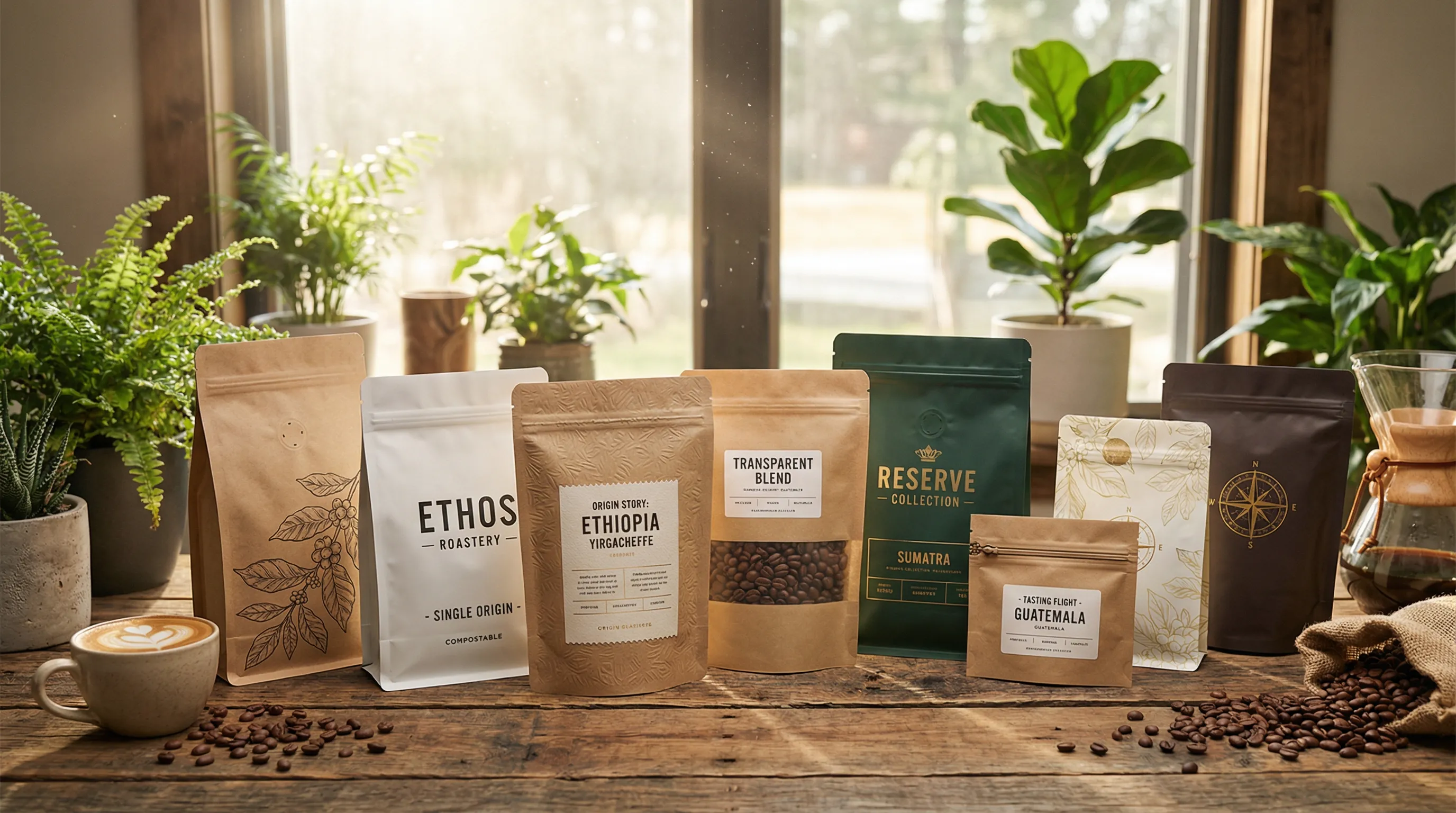
USA Coffee Bags Market
US retail trends in organic specialty coffee packaging and eco-friendly packaging rules.
Read GuideFoil Stamping Recyclability
Assessing the impact of hot and cold foil stamping on paperboard and plastic recycling.
Read Guide
Stand Up Pouches
The classic retail packaging format with bottom gusset and custom resealable zippers.
Read Guide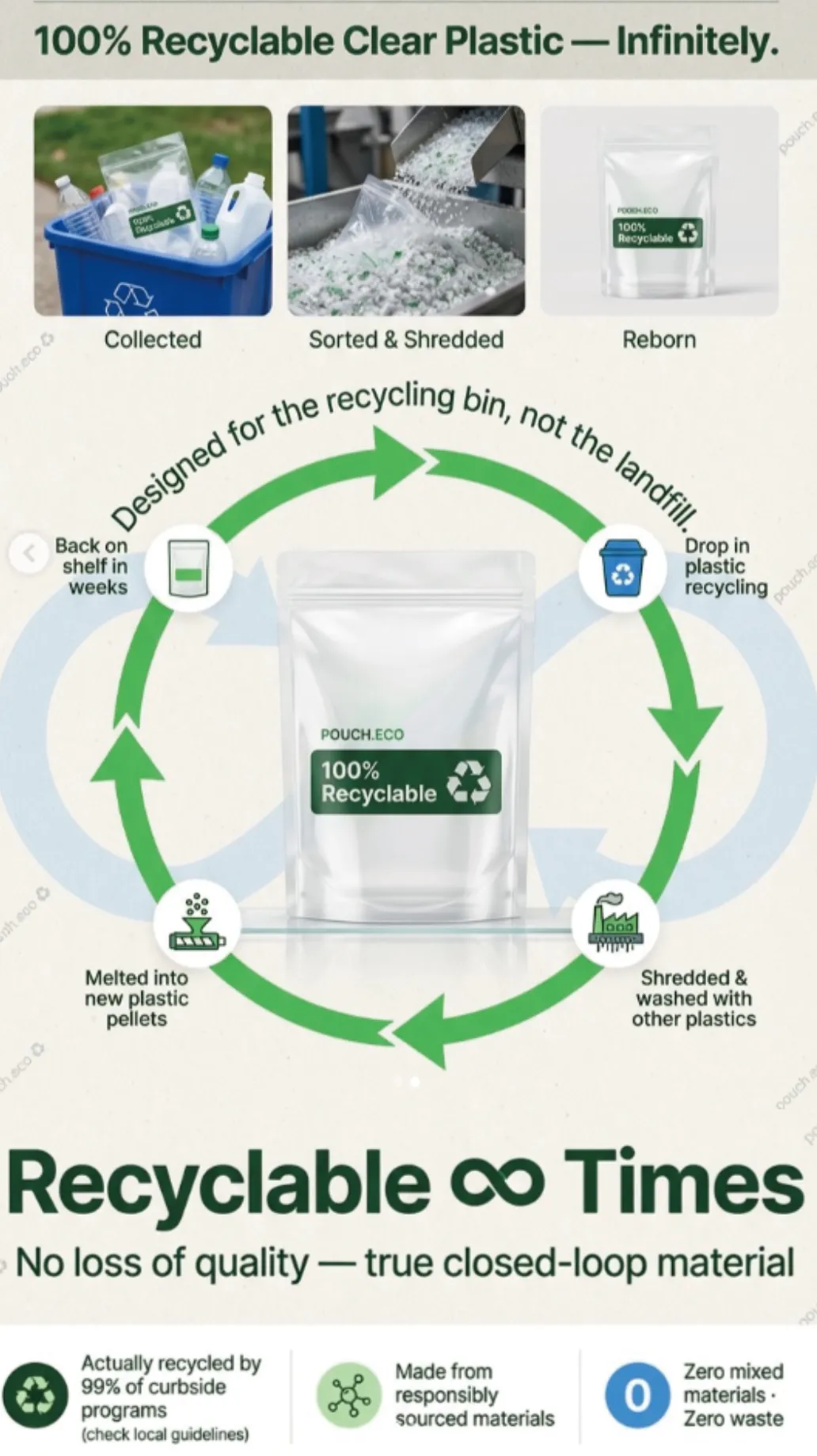
Recyclable Mono-PE
Engineered single-polymer films with EVOH barrier that qualify for standard recycling streams.
Read Guide
Eco Packaging Mistakes
Avoid common design and material selection errors that disrupt commercial supply chains.
Read Guide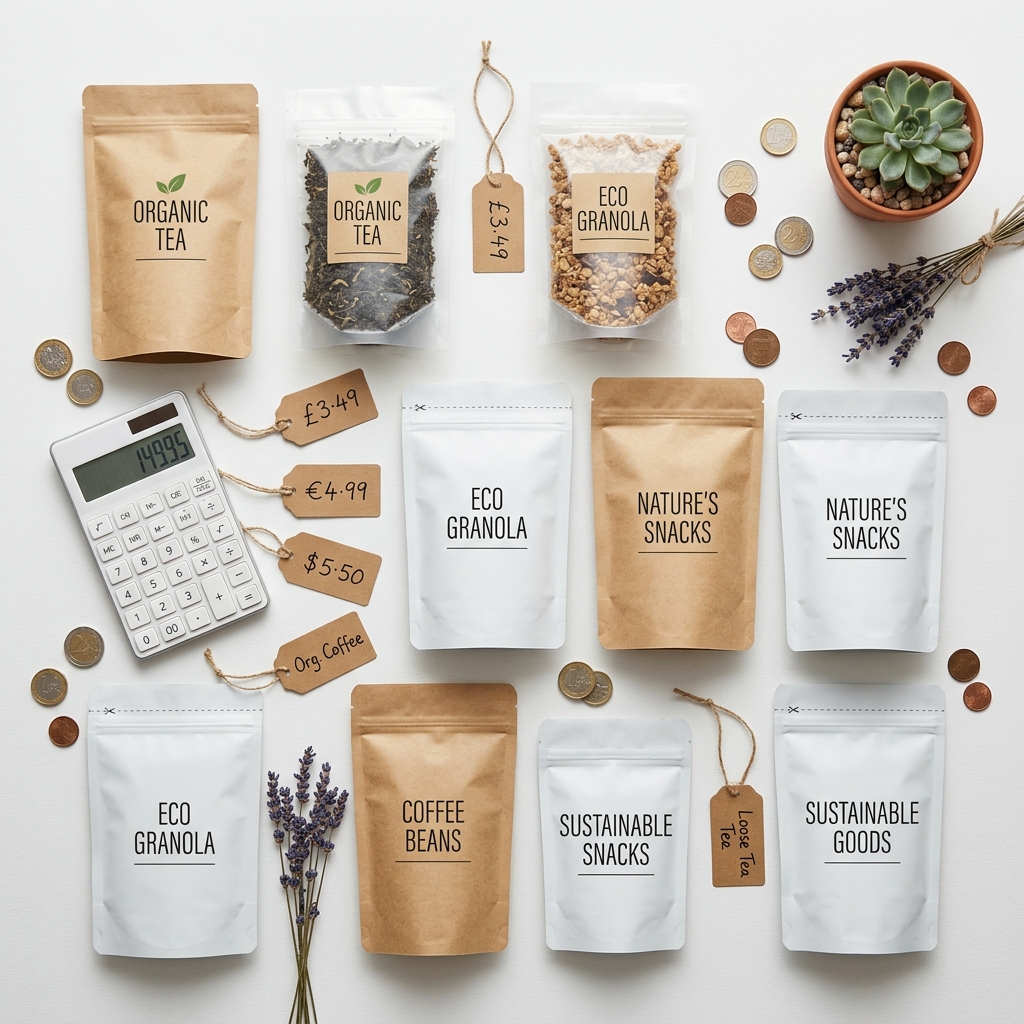
Packaging Cost Guide
Complete breakdown of plate charges, setup fees, material costs, and wholesale volume tiers.
Read Guide