True Zero Waste for the US.
Navigate ASTM D6400, BPI certifications, and state EPR laws with our fully compliant, 100% plant-based compostable flexible packaging.
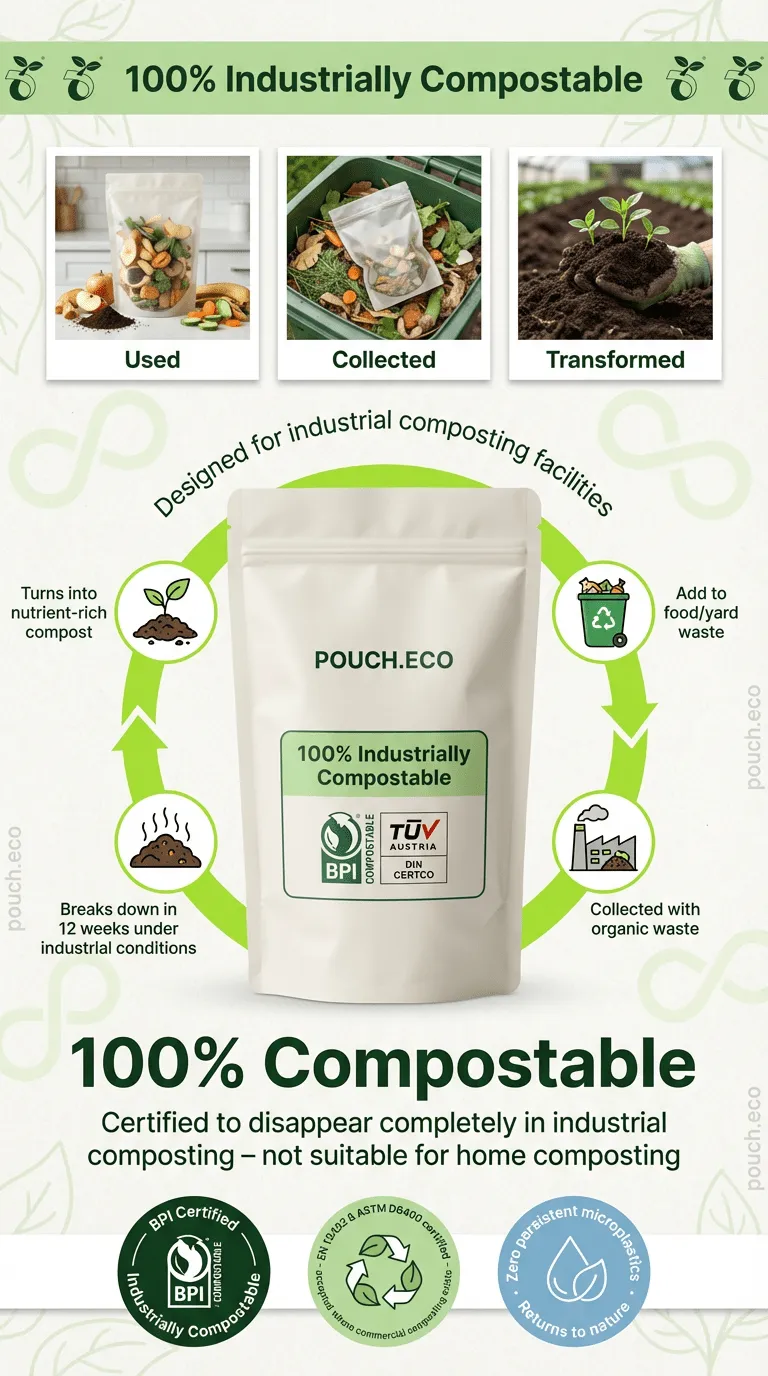
Navigating Compostable Packaging in the United States
As plastic pollution becomes a critical issue for American consumers and legislators, the shift towards compostable packaging is accelerating. However, the United States presents a complex regulatory landscape for brands looking to adopt "zero waste" packaging. From the rigorous standards of the Biodegradable Products Institute (BPI) to strict state-level labeling laws in California and Washington, navigating the US compostable market requires a knowledgeable packaging partner.
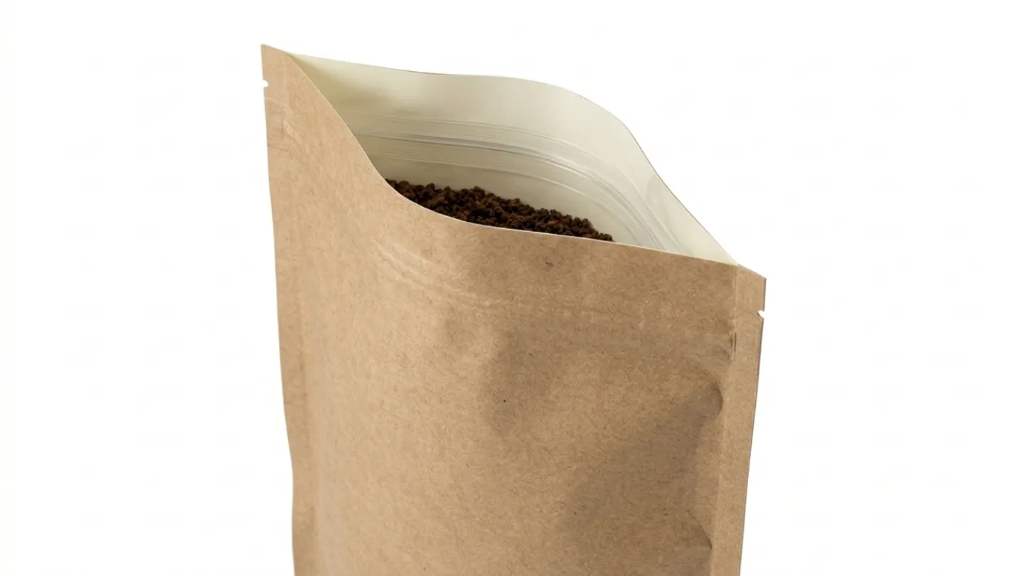
ASTM D6400 and BPI Certification
In the USA, you cannot simply label a product as "biodegradable" without facing severe scrutiny from the FTC (Federal Trade Commission). The gold standard for commercial compostability in the United States is the ASTM D6400 specification. This standard dictates that a material must break down completely into water, CO2, and biomass within a specific timeframe (usually 180 days) in a commercial composting facility, leaving no toxic residue behind.
The Biodegradable Products Institute (BPI) is the primary third-party certifier for compostable products in North America. By utilizing our pre-certified compostable films, adhesives, and zippers, US brands drastically simplify their path to obtaining their own final product BPI certification, ensuring consumer trust and legal compliance.
State-Level Legislation (EPR Laws)
Extended Producer Responsibility (EPR) laws are actively sweeping across the US. States like California (SB 54), Colorado, Oregon, and Washington have passed legislation requiring packaging to be recyclable or compostable by specific deadlines (e.g., 2032).
Furthermore, states like California and Washington have strict "truth in labeling" laws. You are legally prohibited from labeling a plastic product as "biodegradable," "degradable," or "decomposable" unless it meets stringent ASTM specifications and is clearly labeled as "Commercially Compostable." Partnering with POUCH.ECO ensures your packaging materials inherently meet the technical requirements to safely navigate these state-specific hurdles.
Industrial vs. Home Composting in the US
It is critical to understand the difference between industrial and home composting. The US currently lacks universal industrial composting infrastructure; access varies wildly by municipality. Therefore, many eco-conscious consumers rely on backyard composting. While ASTM D6400 covers industrial facilities, we also offer specific high-barrier structures that are certified for Home Composting (meeting standards like TUV OK Compost Home). This allows your customers to responsibly dispose of their packaging directly in their backyard bins, regardless of their local municipal waste services.
5 Common USA Compostable Packaging Problems (And Solutions)
Poor Barrier Properties (Moisture/Oxygen)
We utilize high-barrier ALOX/SiOX coated compostable films to lock in freshness.
Weak Seal Strength
Our multi-layer co-extrusion technology and optimized heat-sealing ensure robust, leak-proof edges.
Short Shelf Life for Wet Products
We engineer specialized compostable laminates designed specifically for high-moisture retention.
Lack of Industrial Composting Facilities
We offer home-compostable certified (TUV/BPI) materials that break down in backyard environments.
Poor Printability and Aesthetics
We use high-definition flexographic printing with compostable eco-inks for vibrant, premium branding.
Compostable USA FAQ
Q:What does ASTM D6400 mean?
A: ASTM D6400 is the standard specification for labeling plastics designed to be aerobically composted in municipal or industrial facilities in the United States. It ensures the material fully breaks down into safe biomass without leaving microplastics or toxic residue.
Q:Can I legally claim my packaging is "biodegradable" in California?
A: No. Under California law, it is illegal to sell plastic packaging labeled "biodegradable" or "degradable." You must use the term "compostable" and only if the packaging meets ASTM D6400 standards and is appropriately certified.
Q:Are your compostable pouches FDA approved for food contact?
A: Yes. Our plant-based films (such as PLA and specialized cellulose) and our compostable adhesives are fully FDA compliant for direct food contact in the US market.
Q:Do your compostable bags have zippers?
A: Yes, we offer fully compostable press-to-close zippers. Because the zipper is made from the same certified biodegradable polymers as the bag, consumers do not need to tear it off before composting.
Q:Is BPI certification required in the USA?
A: While not federally mandated, BPI certification is highly recommended. It acts as a trusted third-party verification that your packaging meets ASTM D6400 standards, protecting your brand from "greenwashing" claims and satisfying major retailers.
Ready to Go Green?
Secure US-compliant, certified compostable packaging for your brand. Stop greenwashing. Start leading.