Barrier Options & Protection Levels
Low, medium, or high barrier — spec'd to your real shelf life, not the most expensive film we sell.
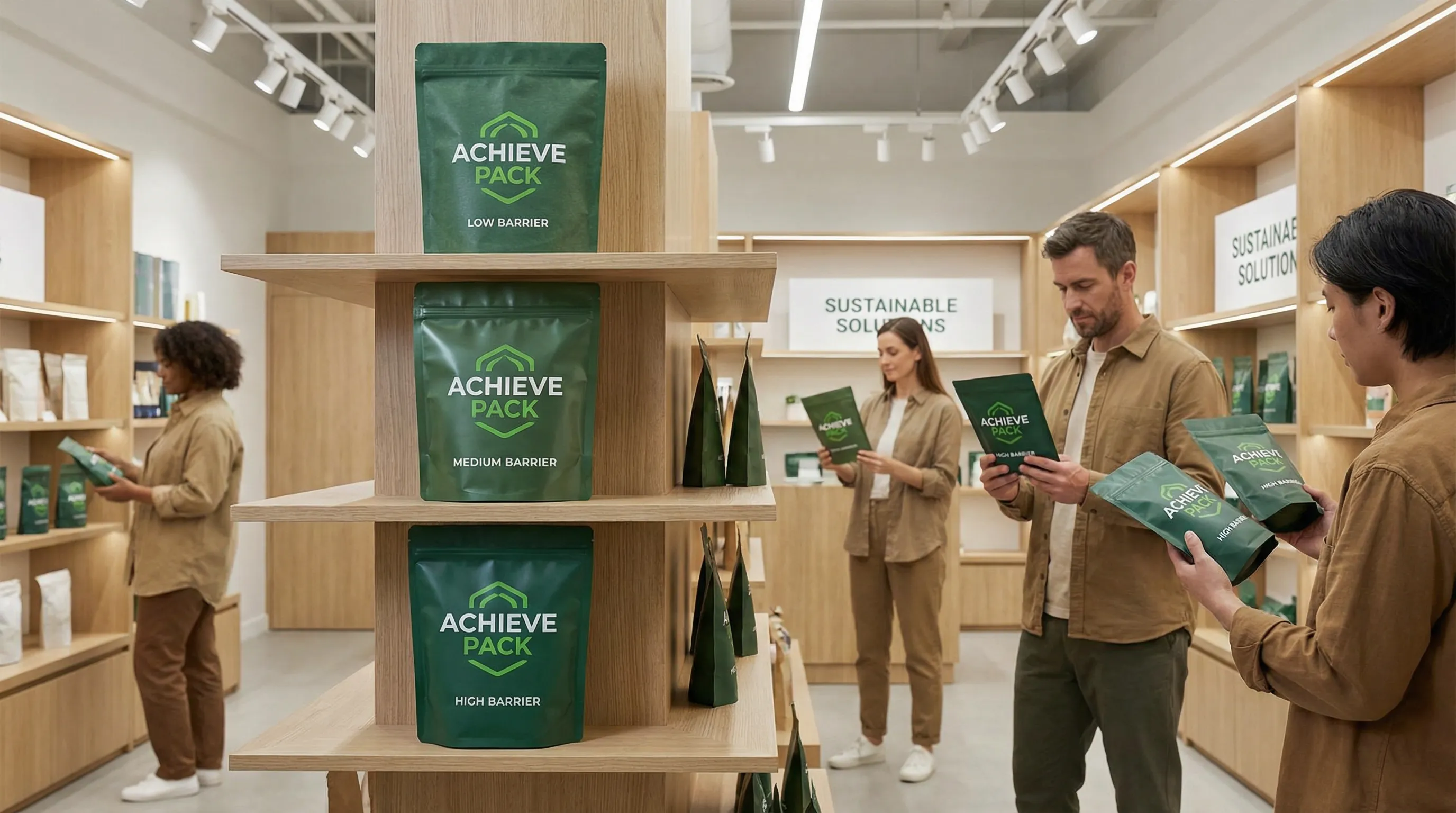
Quick Summary
Buying more barrier than your product needs wastes money; buying less quietly kills your product. This page maps our recyclable and compostable barrier options — from breathable low-barrier films to EVOH and metallized cellulose (NKME) high barrier — so you can match oxygen, moisture, and aroma protection to how long your product actually sits before sale.
 BY RYAN WONG, ECO PACKAGING PROTOCOL
Is This Page For You?
If you need to protect your product from oxygen, moisture, or light while maintaining eco-friendly credentials—you're in the right place.
Food & Beverage
Coffee, snacks, pet food shelf life
Supplements
Protein, vitamins, powders protection
Unsure of Barrier
Free shelf-life testing available
What Are Barrier Options and Why Do They Matter?
Protect your products with the right barrier level while maintaining sustainability. Achieve Pack offers low, medium, and high barrier options in both recyclable and compostable materials to match your product's shelf life requirements.
Barrier Protection Levels:
- Low Barrier (3-6 months) – Ideal for dry goods with fast turnover
- Medium Barrier (6-12 months) – Balanced protection for most products
- High Barrier (12-24 months) – Maximum protection for sensitive products
What barrier upgrades will NOT do
- • NOT keep a recyclable claim alive with heavy foil. Anything above ~5% aluminum foil content generally voids recyclability. For recyclable high barrier, use mono-PE + EVOH under 5% or AlOx/SiOx coatings.
- • NOT fix a short supply chain problem. If your product turns over in weeks, high barrier is wasted spend — medium barrier or standard films will do.
- • NOT match foil with compostable films. Certified compostable barrier reaches roughly 70% of foil performance. Long shelf life plus compostability is a trade-off, not a free lunch.
- • NOT compensate for bad seals or headspace oxygen. Film is only half the system — seal integrity and, where needed, nitrogen flushing decide real shelf life.
Want to feel the difference before committing? The $40+ sample kit is credited to your first order, or send us your product spec.
What Do Different Barrier Levels Look Like?
Explore our range of barrier packaging options. Click any image to enlarge:
How Do Low, Medium, and High Barriers Compare?
Low Barrier
- • OTR: 50-100 cc/m²/day
- • MVTR: 10-20 g/m²/day
- • Best eco-credentials
- • Lowest cost option
Best for: Dry snacks, cookies, tea, granola
Medium Barrier
- • OTR: 5-20 cc/m²/day
- • MVTR: 2-5 g/m²/day
- • Good sustainability
- • Moderate cost
Best for: Coffee, nuts, pet treats, cereals
High Barrier
- • OTR: < 1 cc/m²/day
- • MVTR: < 1 g/m²/day
- • Maximum protection
- • Premium positioning
Best for: Coffee, supplements, baby food
Which Eco-Friendly Materials Offer the Best Barrier?
Choose from eco-friendly barrier solutions:
| Material | Barrier Level | Sustainability | Best Application |
|---|---|---|---|
| Kraft + PLA | Low | Compostable | Dry goods, tea, cookies |
| Mono-PE | Medium | Recyclable | Snacks, pet food |
| Mono-PE + EVOH | High | Recyclable* | Coffee, supplements |
| Bio-PE | Medium | Bio-based | Organic products |
| PCR Plastic | Medium-High | 30-100% recycled | General food |
*EVOH layer is <5% of total structure, accepted in most recycling streams
What Barrier Level Does Your Product Need?
Low Barrier Products
- • Dried fruits & vegetables
- • Cookies & biscuits
- • Loose-leaf tea
- • Granola & muesli
- • Rice & grains
Medium Barrier Products
- • Roasted coffee beans
- • Nuts & seeds
- • Pet food & treats
- • Protein powders
- • Breakfast cereals
High Barrier Products
- • Ground coffee
- • Vitamins & supplements
- • Baby food
- • Freeze-dried products
- • Pharmaceutical powders
How to Get Started with Barrier Testing
Not sure which barrier level you need? We offer free shelf-life testing to determine the optimal barrier for your product.
What If You're Not Sure Which Barrier to Choose?
"Not sure which barrier I need?"
Free shelf-life testing to determine optimal barrier
"Is high-barrier still eco-friendly?"
Yes, mono-PE with EVOH (<5%) is recyclable
"Can I get samples?"
Free material samples for testing
"What's the minimum order?"
500 units for all barrier levels
How Can You Take the Next Step?
Choose How You'd Like to Connect
Book a Call
30-min free consultation
Industry Applications
Different industries have specific barrier requirements. Choosing the right barrier is key to product success.
Food & Beverage Industry
Coffee, nuts, snacks, pet food requiring precise oxygen and moisture protection.
Health & Supplements Industry
Vitamins, protein powders, and nutraceuticals requiring high barrier to preserve active ingredients.
Infant Food & Pharma
Baby food and sensitive formulas requiring ultra-high safety barrier protection.
Customer Success Story
“After upgrading from low to medium barrier packaging, our specialty coffee shelf life extended from 3 to 9 months, increasing customer satisfaction by 40%.” — Founder, Specialty Coffee Brand
Market Data & Intelligence
The barrier packaging market continues to expand. Understand key trends to make informed packaging decisions.
Market Trend Insights
Demand for sustainable barrier packaging is growing rapidly. Mono-PE + EVOH structures lead market growth due to recyclability, projected to capture 45% of the high-barrier market by 2027.
Material Comparison
Compare key performance metrics across barrier materials to select the ideal packaging structure.
| Barrier Level | OTR (Oxygen Transmission) | MVTR (Moisture Transmission) | Recommended Material | Relative Cost |
|---|---|---|---|---|
| Low Barrier | 50-100 cc/m²/day | 10-20 g/m²/day | Kraft + PLA, Mono-PE | $ |
| Medium Barrier | 5-20 cc/m²/day | 2-5 g/m²/day | Mono-PE, Bio-PE | $$ |
| High Barrier | <1 cc/m²/day | <1 g/m²/day | Mono-PE + EVOH, PCR | $$$ |
Material Selection Guide
When choosing a barrier level, evaluate product sensitivity, target shelf life, and packaging budget. We provide complimentary shelf-life testing to validate your packaging choice.
Biopolymer Lab Validation & Compostability Proof
We don't make vague green claims. Our biopolymers (NatureFlex, PLA/PBAT) are batch-tested to verify 100% biodegradation in home and industrial composting within 180 days with zero toxic ecotoxicity residues.
Compostable Barrier (OTR)
Tested barrier layers (NK/NatureFlex) ensuring moisture and aroma protection.
Organic Chemical Purity
Exceeds EN 13432 criteria for organic safety and clean soil composting.
Biopolymer Sealing Window
Narrowed sealing temperature range preventing biopolymer deformation or thermal burn.
TÜV OK Compost HOME
Guarantees complete organic degradation in backyard compost bins within 26 weeks.
Puncture Strength (ASTM F1306)
Ensures biopolymer bag walls resist puncture during manual handling and packing.
Tensile Strength (ASTM D882)
Ensures biopolymer bags support products securely without structural stretch.
Frequently Asked Questions
How do I know which barrier level my product needs?▼
Can high-barrier packaging still be sustainable?▼
What is OTR and MVTR?▼
Do you offer barrier testing services?▼
Related Resources
TELL US YOUR PRODUCT AND TARGET SHELF LIFE.
We'll recommend the minimum barrier that protects it, send a free /studio mockup, and quote from 500 pcs digital (2–3 weeks) or gravure at volume — roughly 45% cheaper per unit.
Compostable Solution
Fully compostable flexible packaging certified under ASTM D6400 and EN 13432. Engineered to break down completely in industrial or home composting environments within 180 days, returning to the soil with zero toxic residues.
- ASTM D6400 & EN 13432 Certified
- Breaks down within 180 days in soil
- High gas & moisture barrier options
- Food-contact safe (FDA compliant)
See Our Work
Browse real product packaging photos from brands we've helped launch.
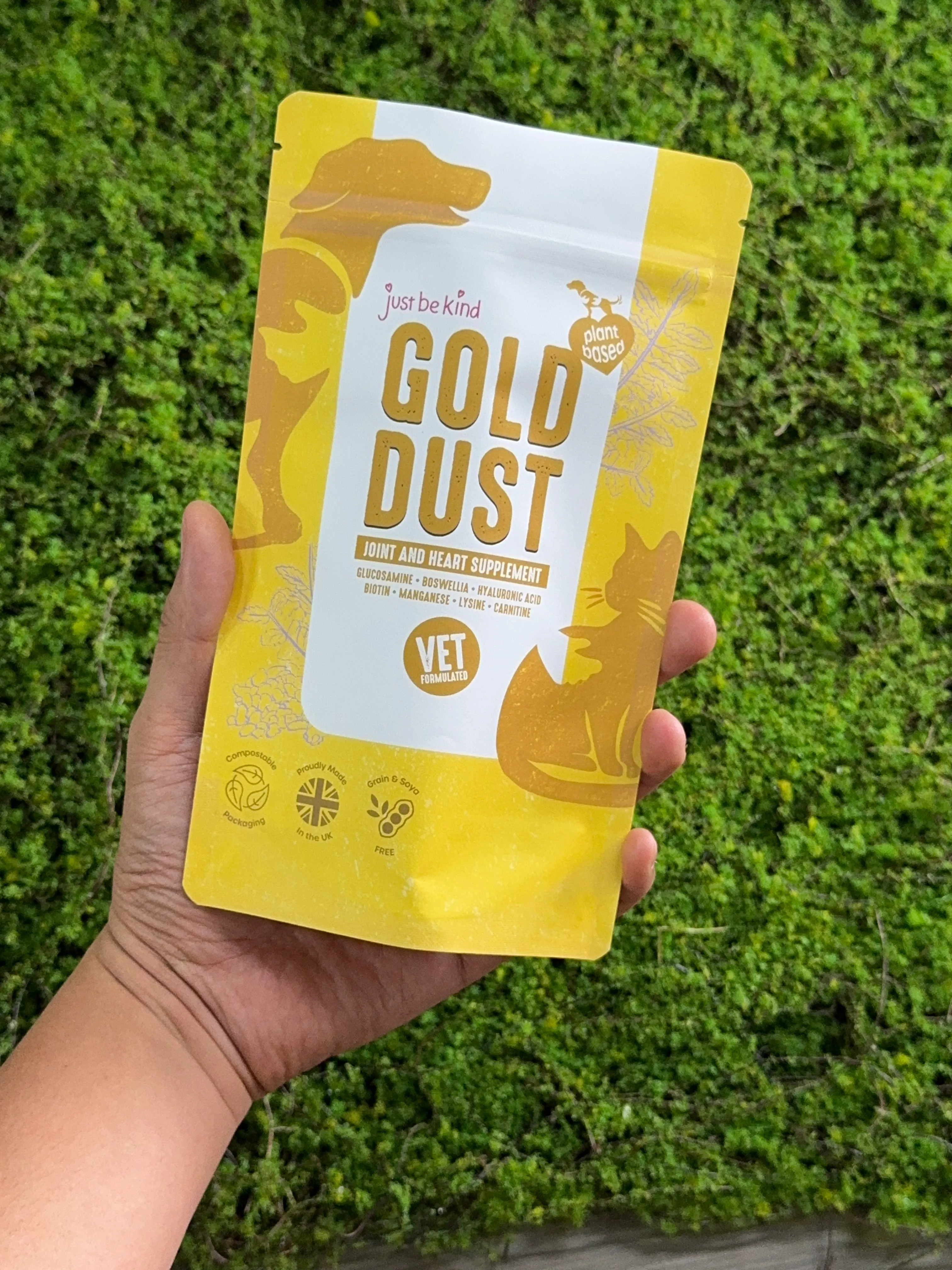
Eco-Friendly Pet Treat Bag
Puncture-resistant laminations designed for shelf longevity and grease-resistance.
Read Guide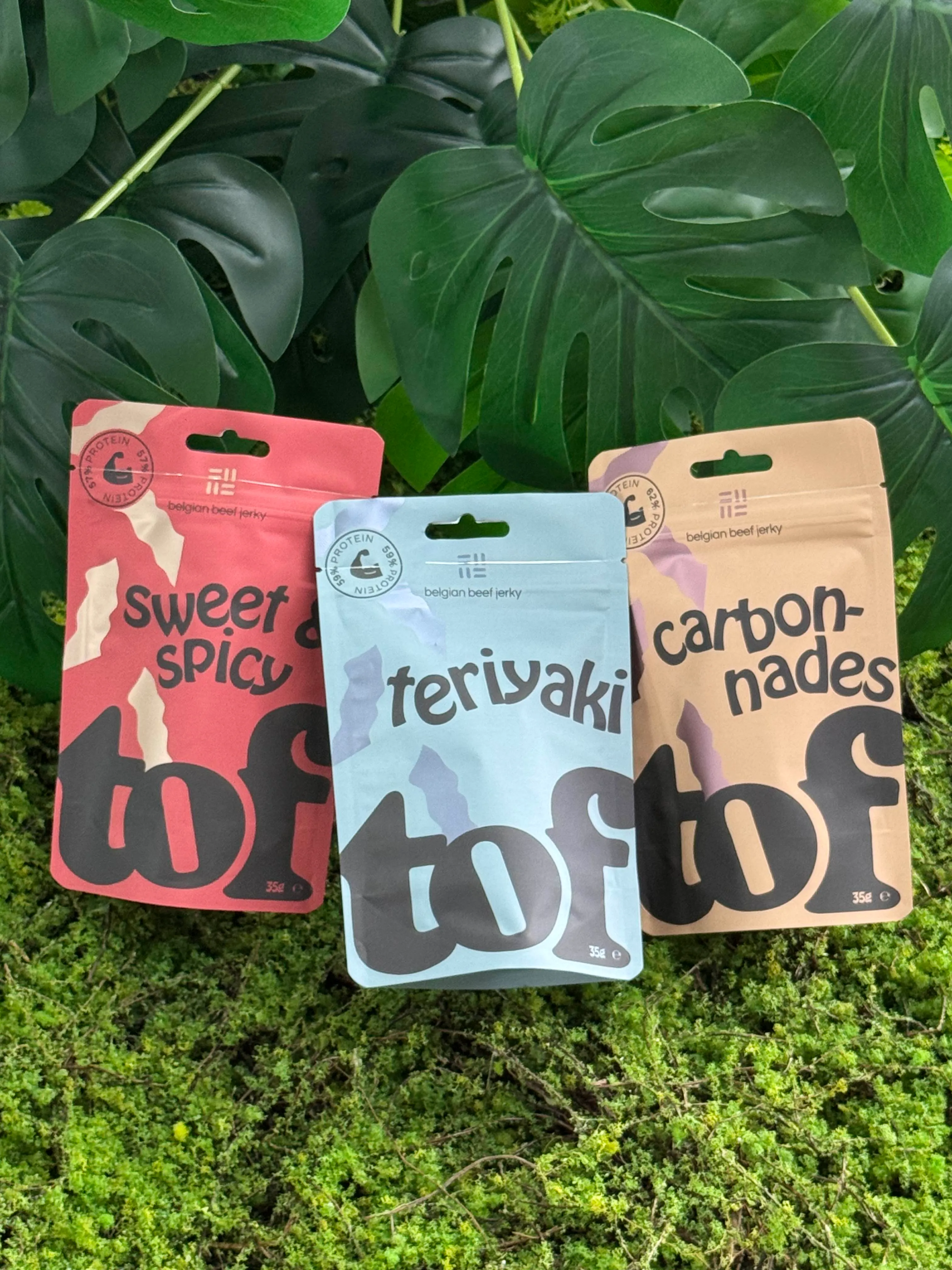
Certified Compostable Snacks Pouch
High-barrier plant-based flexible stand-up packaging for organic snacks and granola.
Read Guide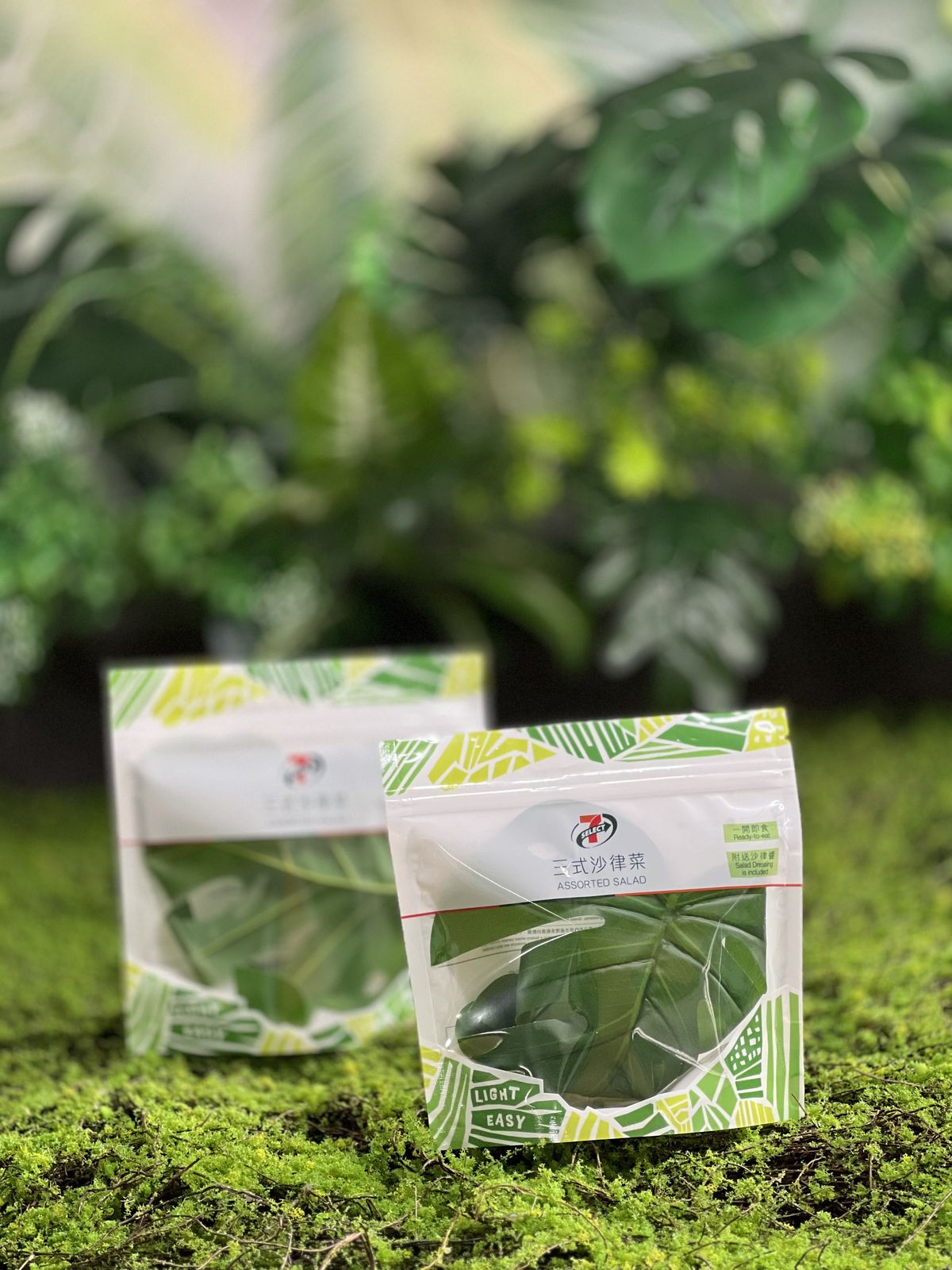
Compostable Coffee Stand-Up Pouch
Plant-based high-barrier stand-up pouches with degassing valves.
Read Guide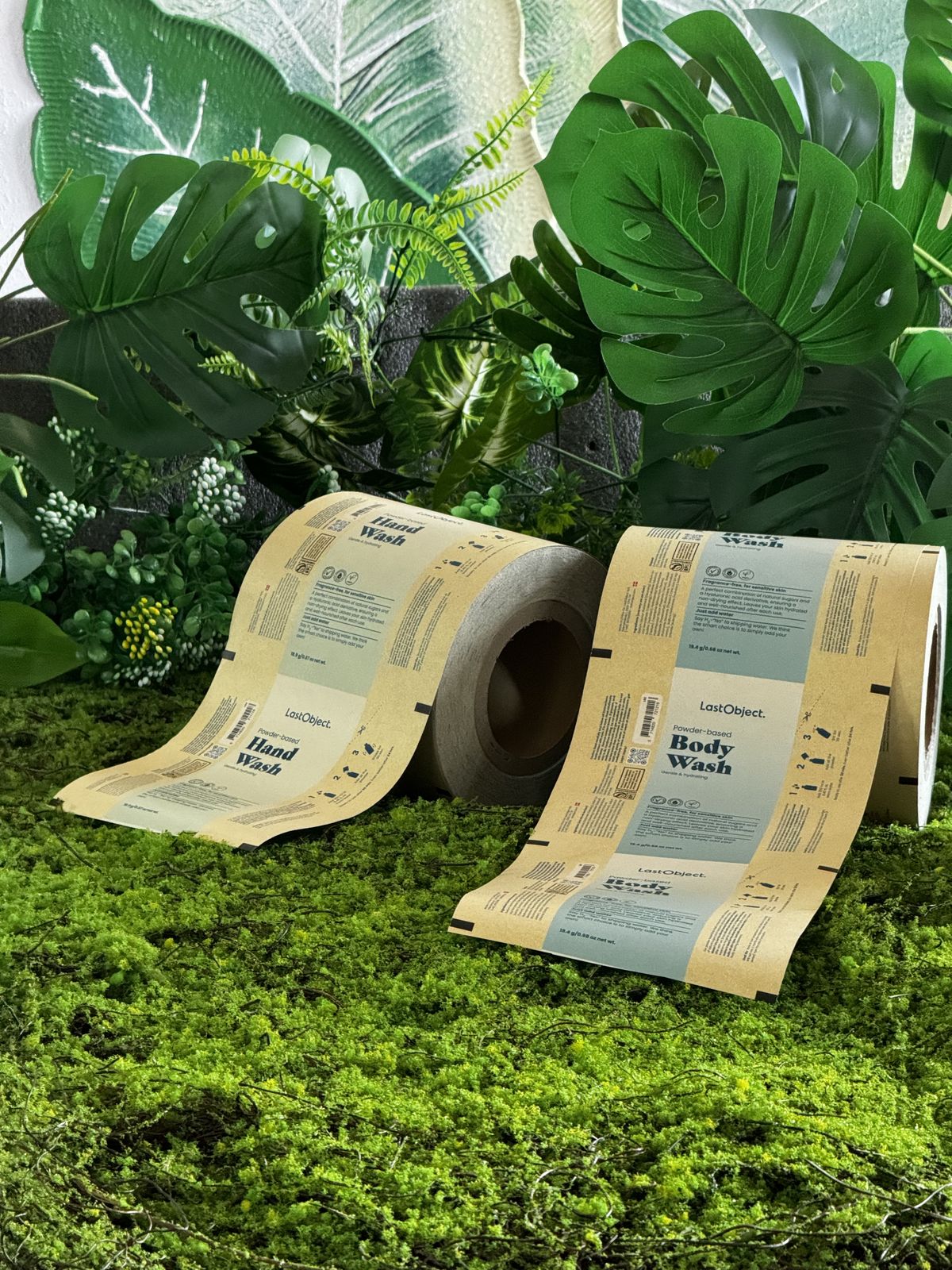
Custom Printed Stand-Up Pouch
High-resolution digital print sample with low minimum order quantity.
Read Guide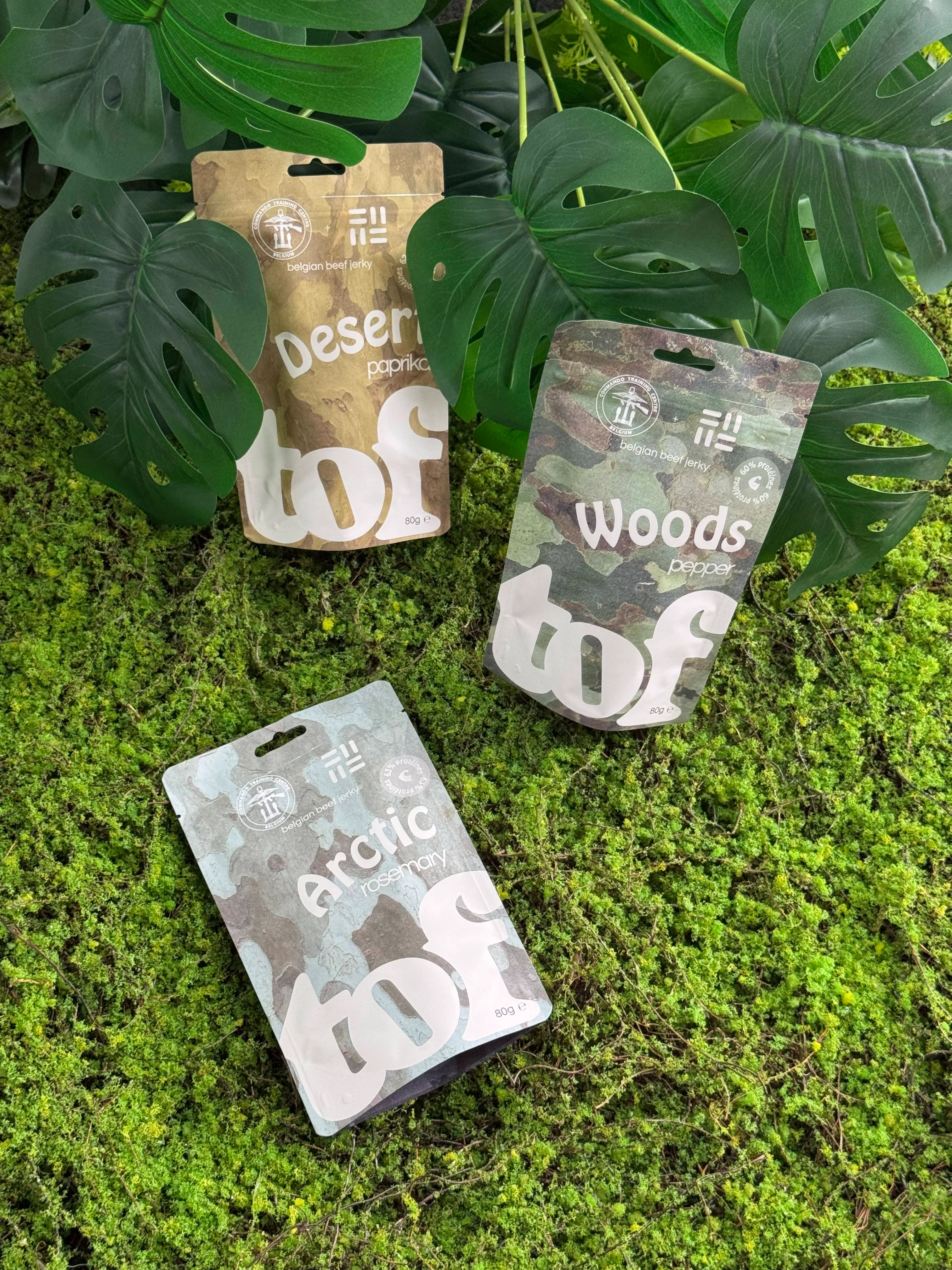
Heavy-Duty Recyclable Side-Gusset Pouch
Mono-PE side-gusseted structures designed for stable retail shelving and durability.
Read Guide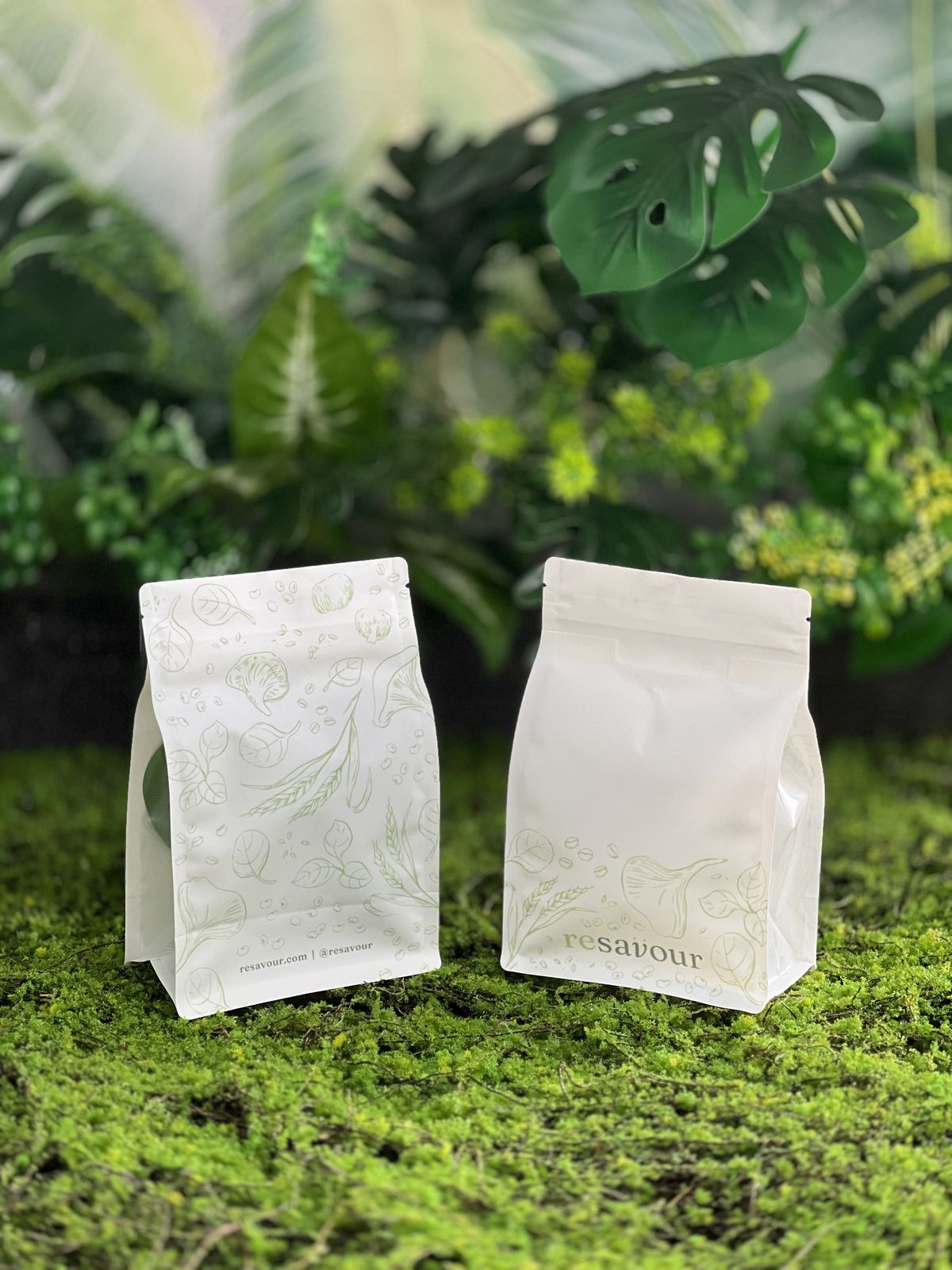
Kraft Flat-Bottom Tea Pouch
Earthy, organic kraft outer layers with certified compostable barrier lining.
Read Guide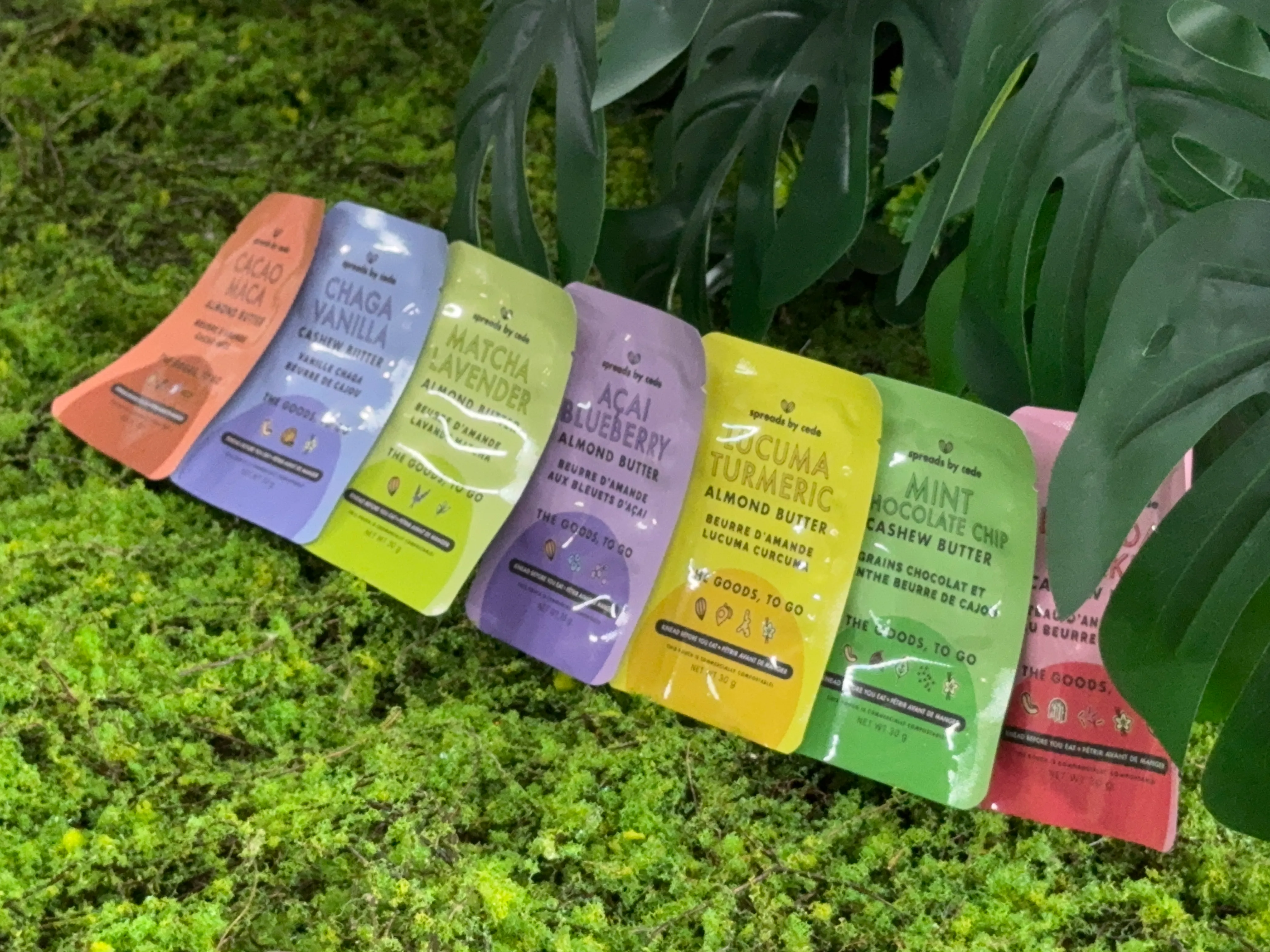
Holographic Metallic Gift Pouch
Shimmering holographic stand-up bag with premium aroma barrier.
Read Guide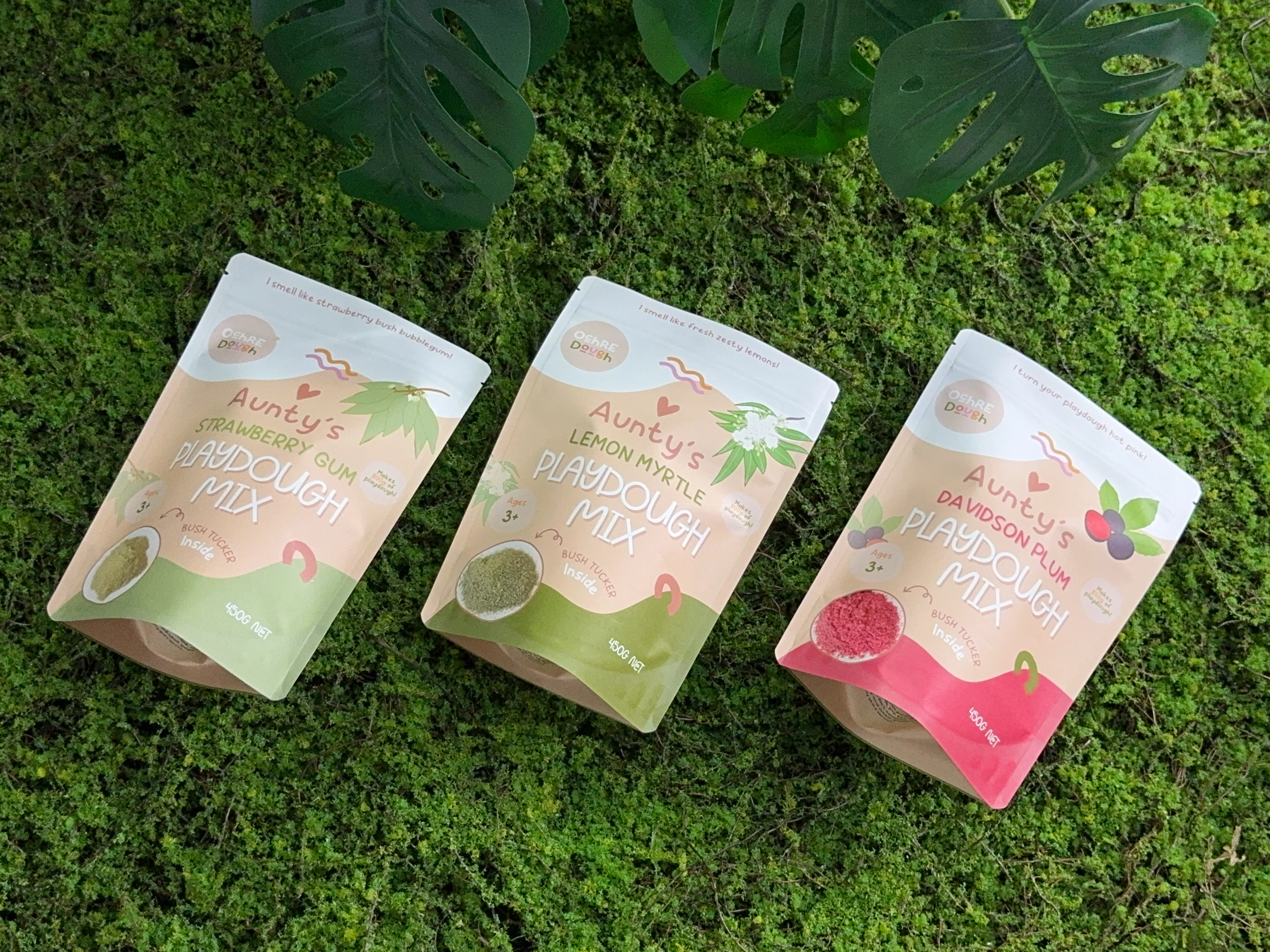
Expandable Side Gusset Coffee Pack
Quad seal side gusset bag with internal degassing valve.
Read Guide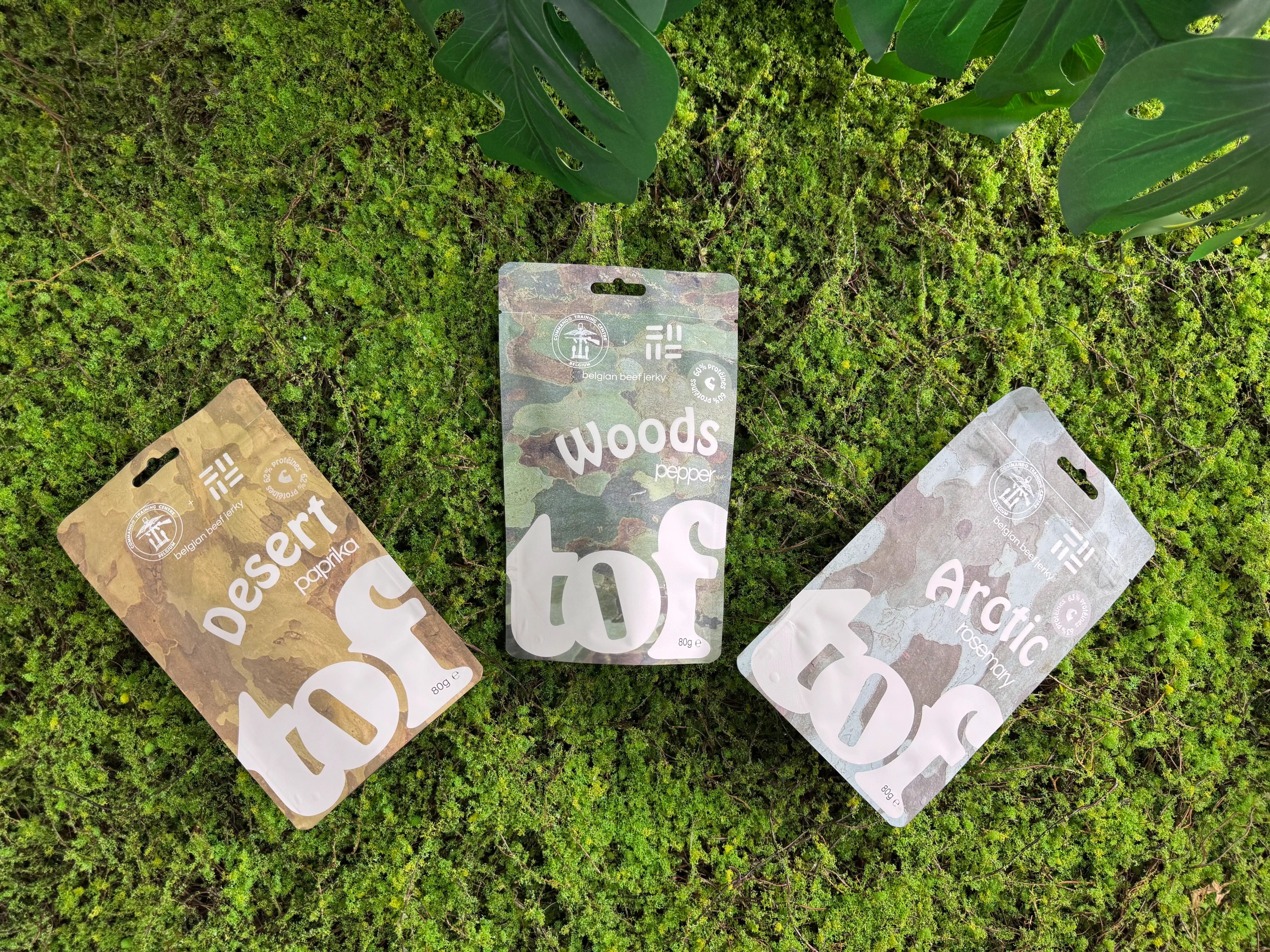
Luxury Holographic Supplement Bag
Stunning holographic foil printing on heavy supplement packaging with press-to-close zipper.
Read Guide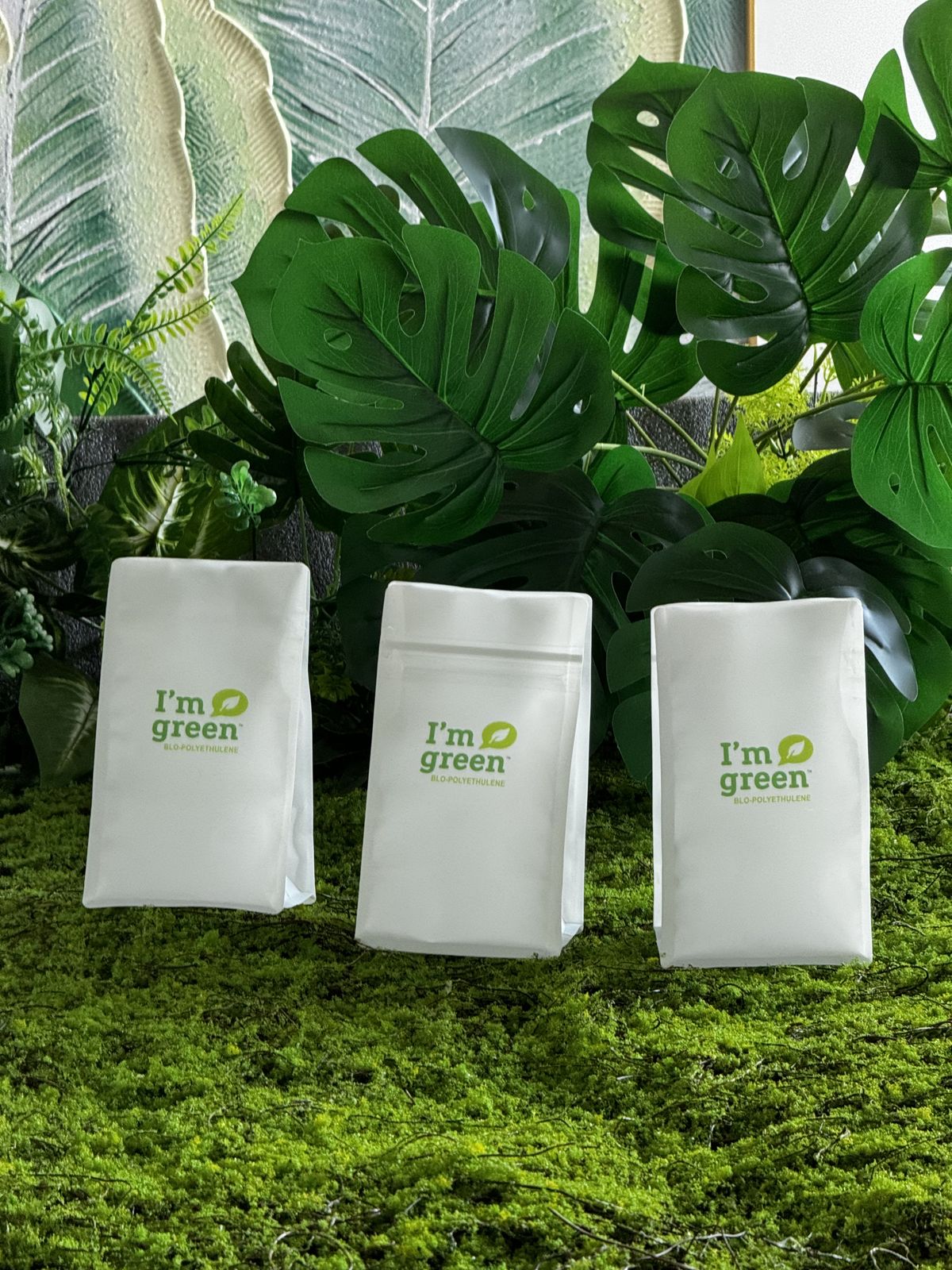
Ecosential Kraft Mailer Bag
Heavy-duty recycled kraft paper mailer bags with self-sealing adhesive strips.
Read Guide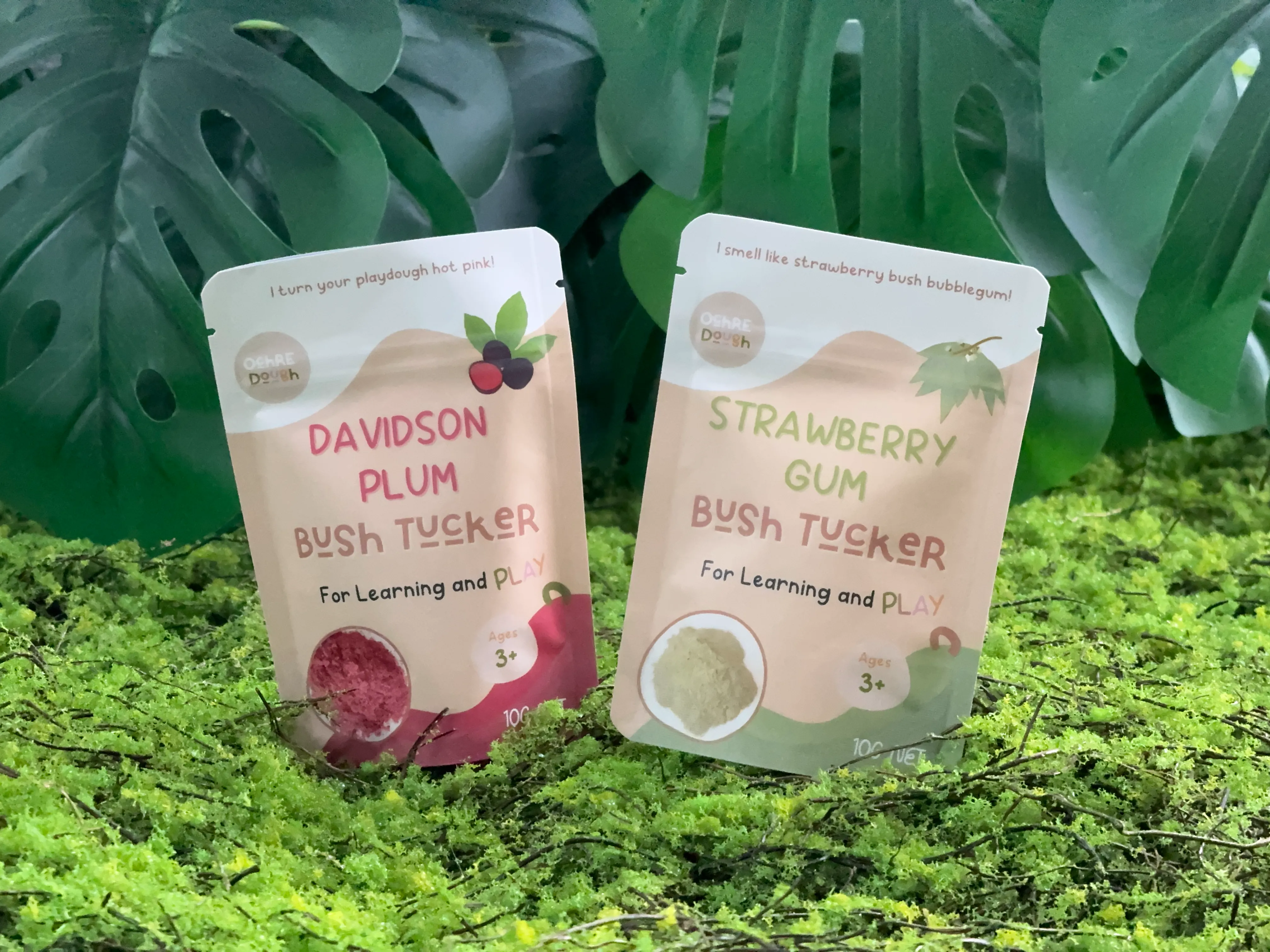
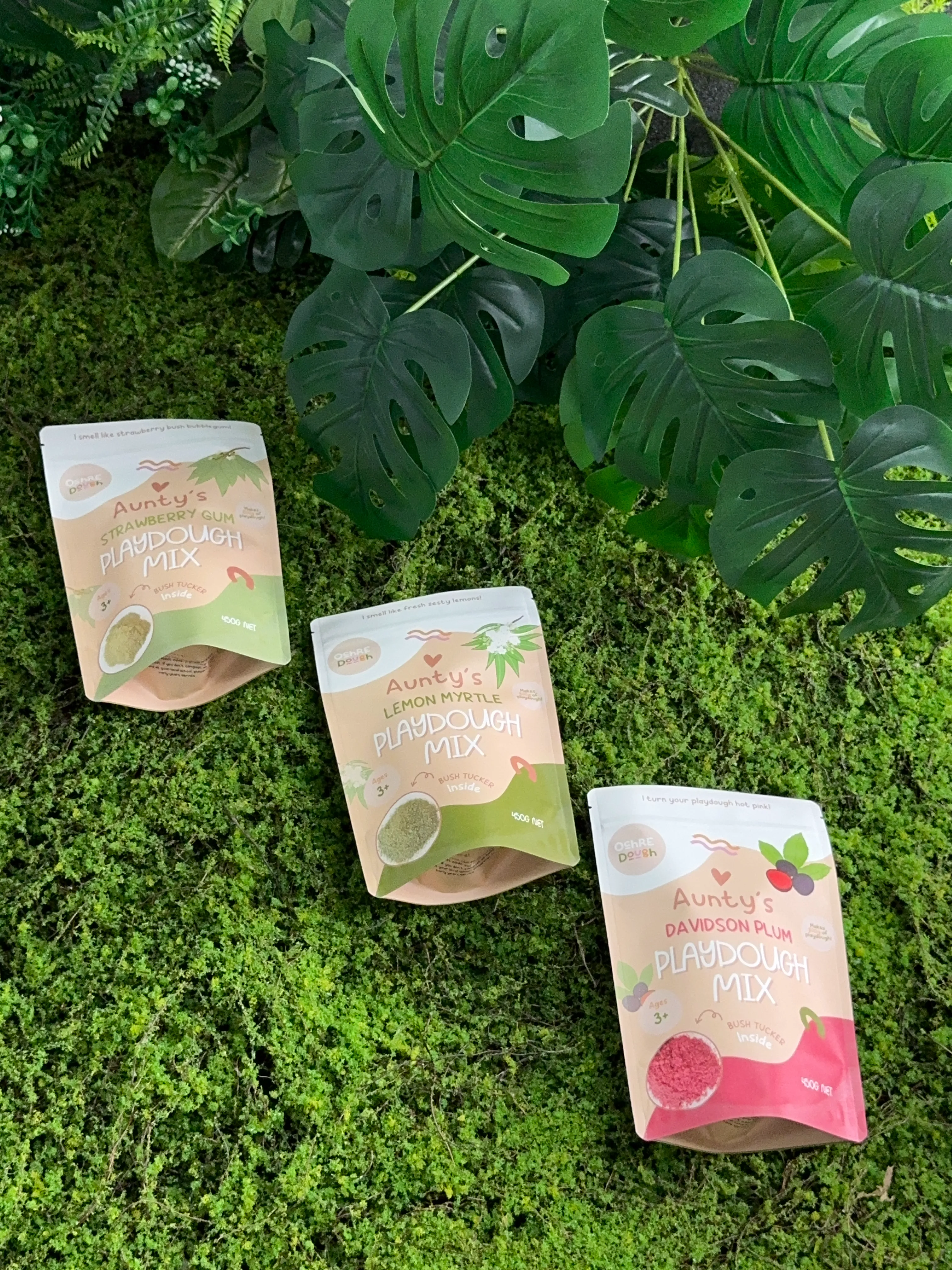
Premium Glossy Coffee Pouch
Vibrant high-gloss digital printing on recyclable barrier films.
Read Guide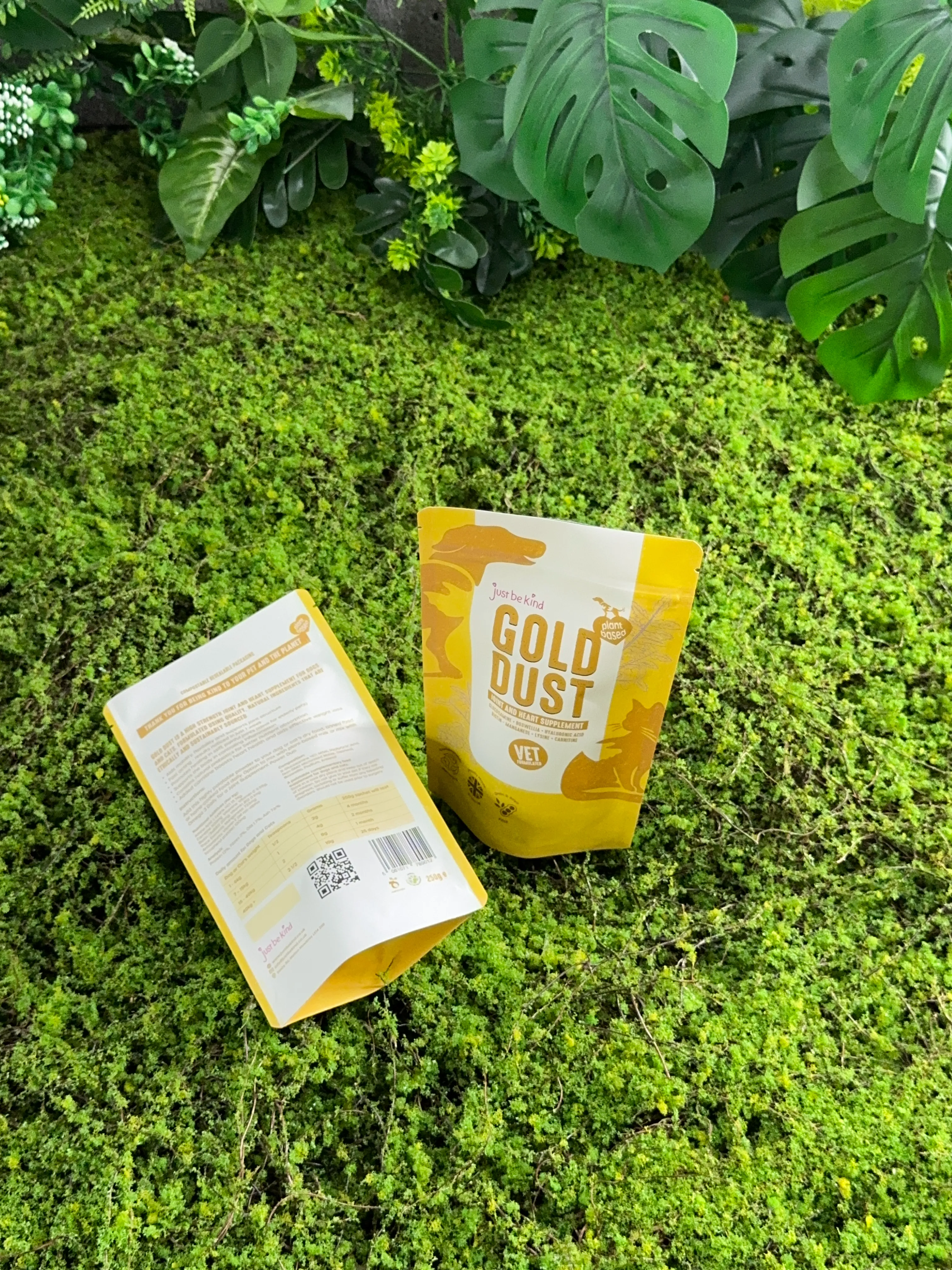
Holographic High-Luxe Box
Corrugated shipping mailers with vibrant holographic foil designs.
Read Guide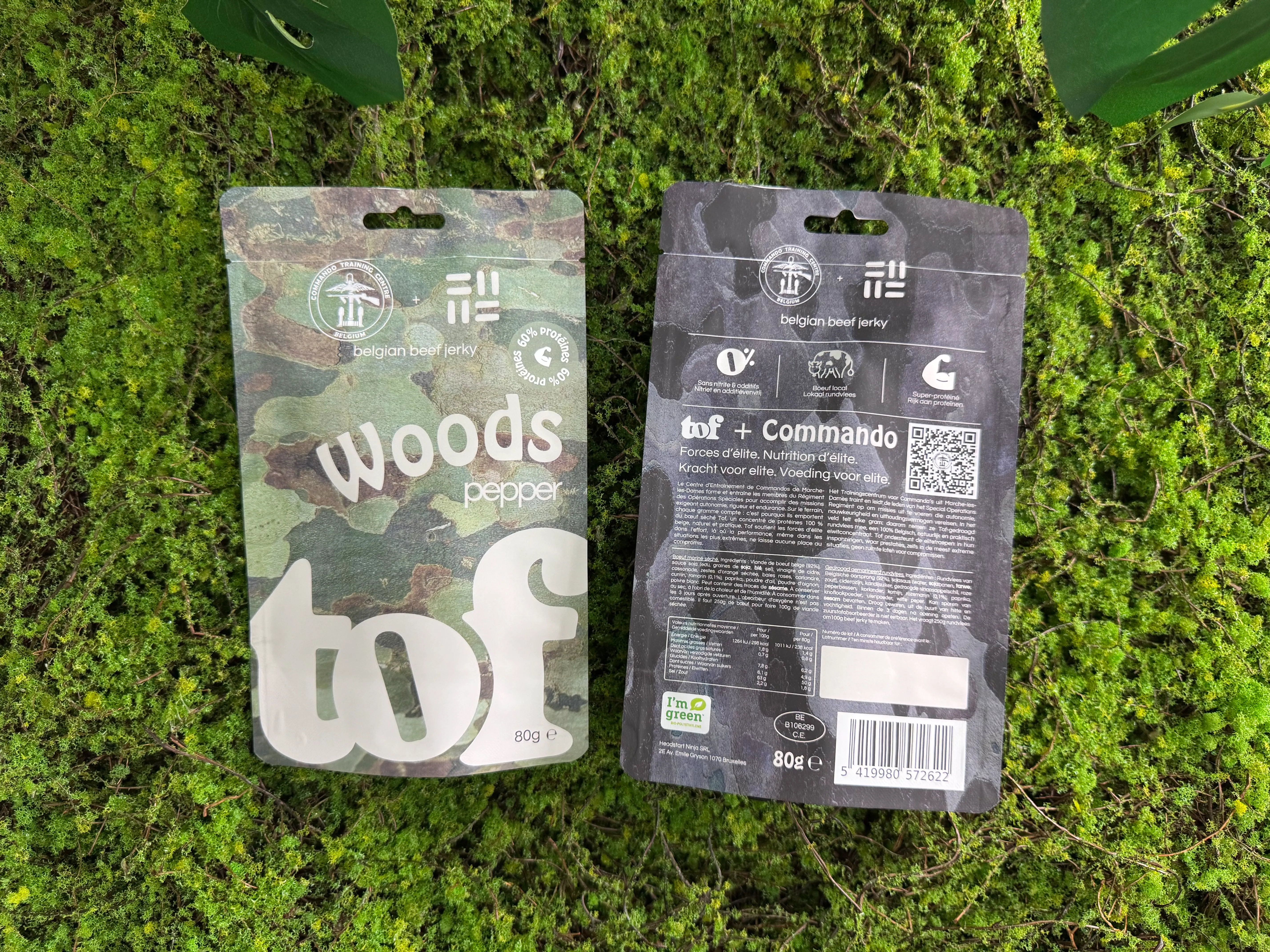
Eco-Friendly Recycled Kraft Mailer
Heavy-duty recycled kraft mailing bags featuring self-sealing double adhesive strips.
Read Guide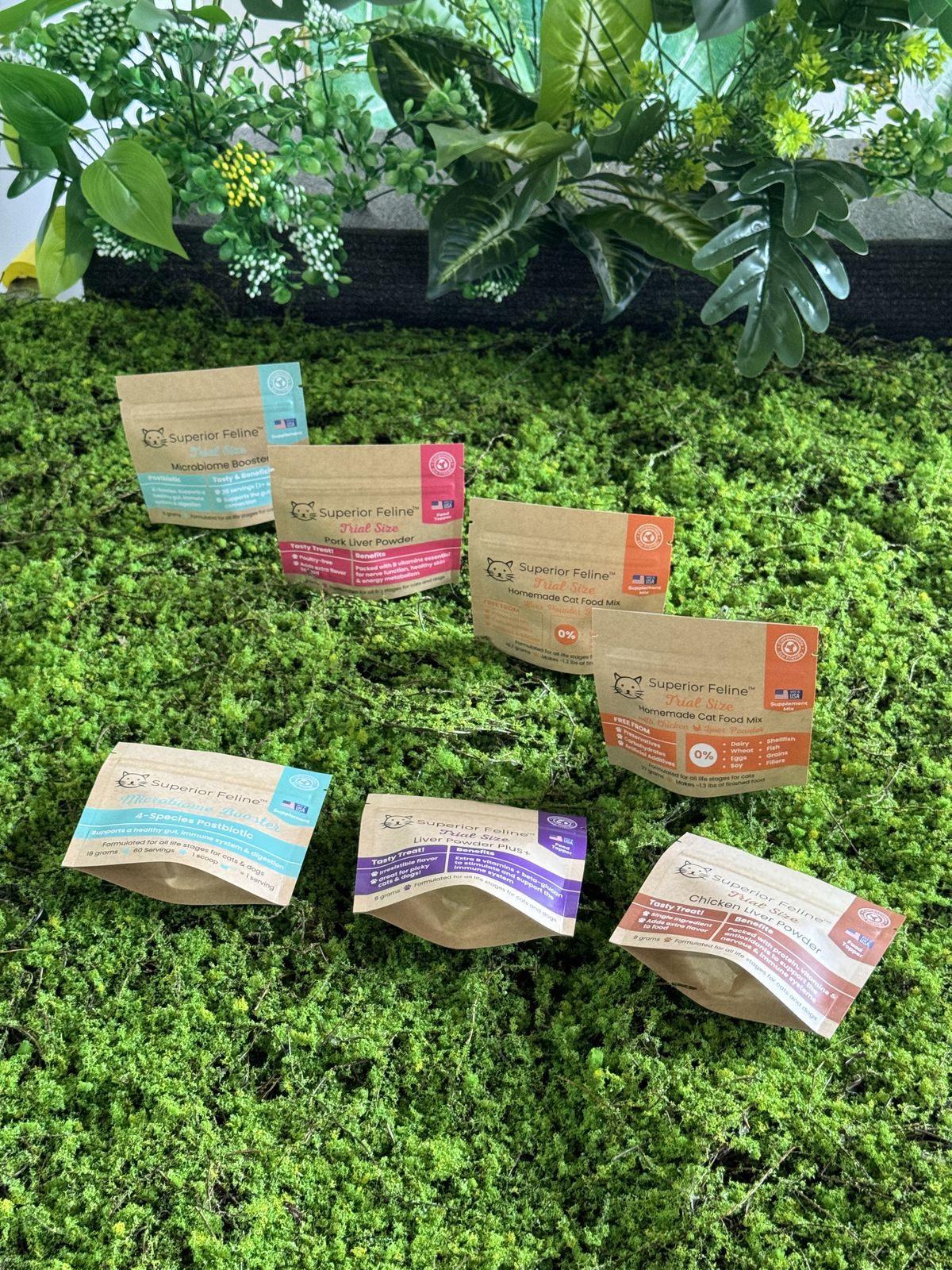
Metallic Luxury Stand-Up Pouch
Premium metalized lining providing ultra-high moisture and oxygen barriers.
Read Guide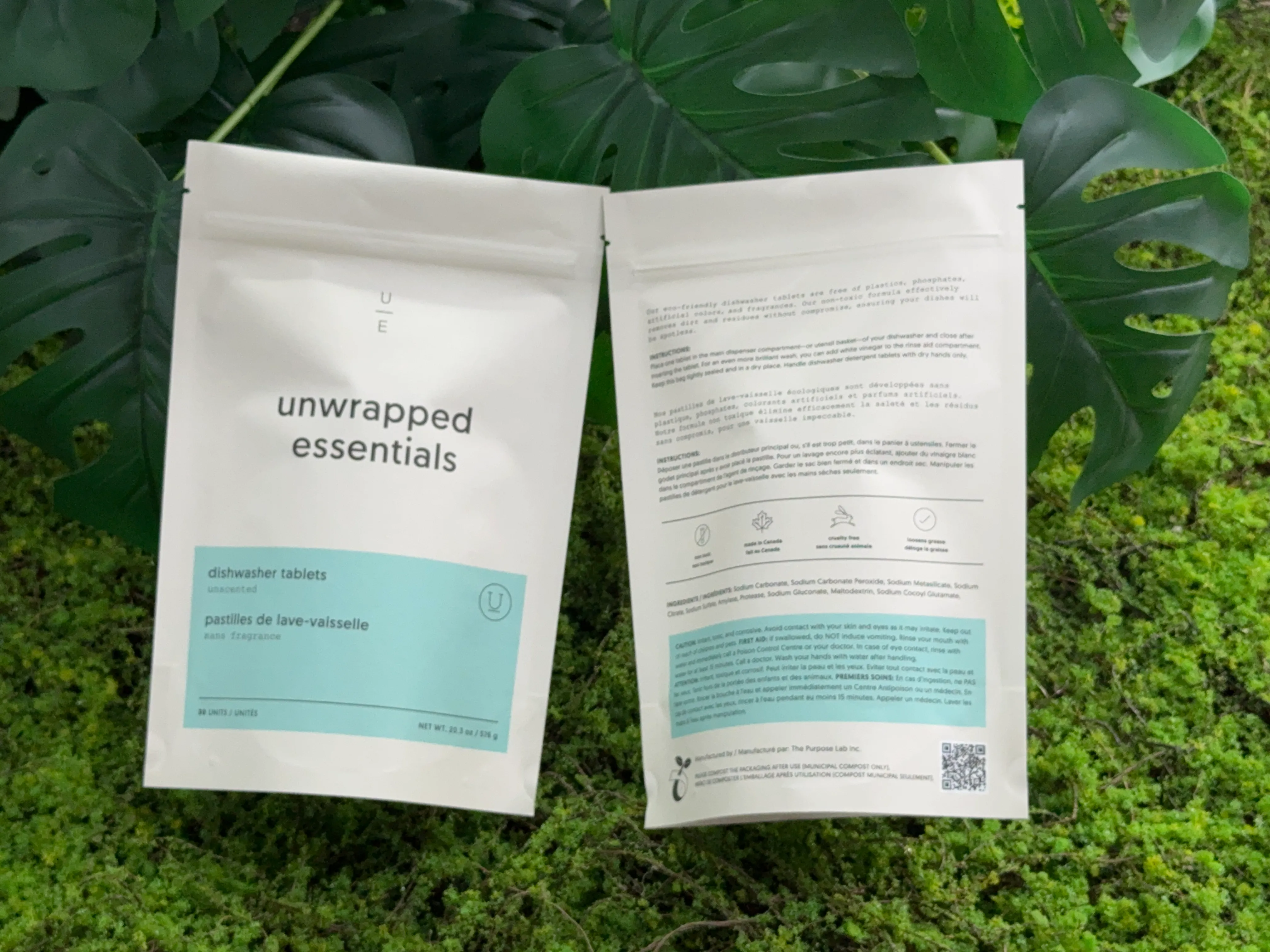
High-Barrier Spouted Purée Pouch
Spouted pure-PE packaging for organic baby food and purées.
Read Guide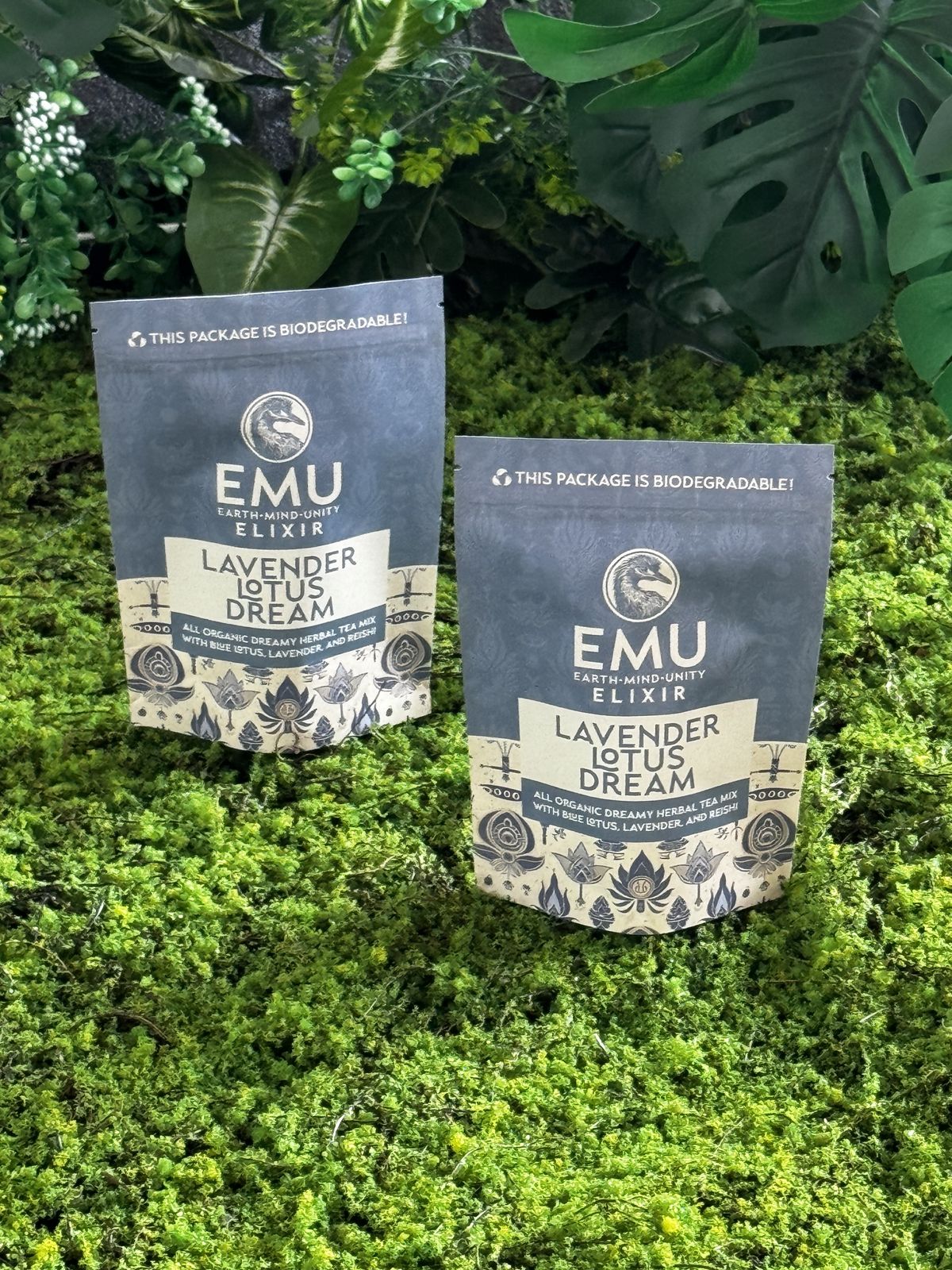
Recyclable Mono-PE Zipper Pouch
Fully circular design with recyclable press-to-close zippers.
Read Guide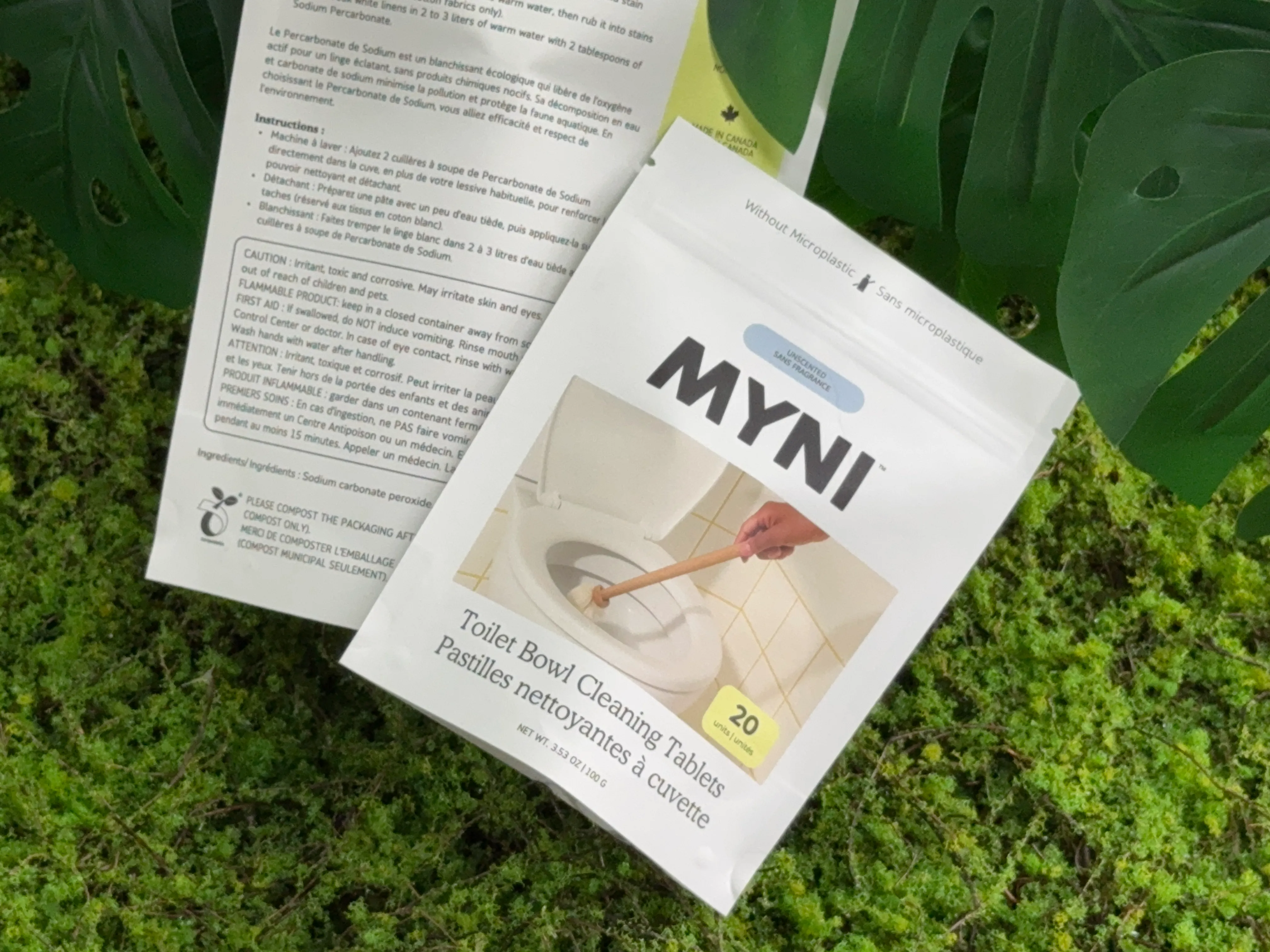
Clear-Front Compostable Pouch
Clear barrier front structure showcasing gourmet coffee beans.
Read Guide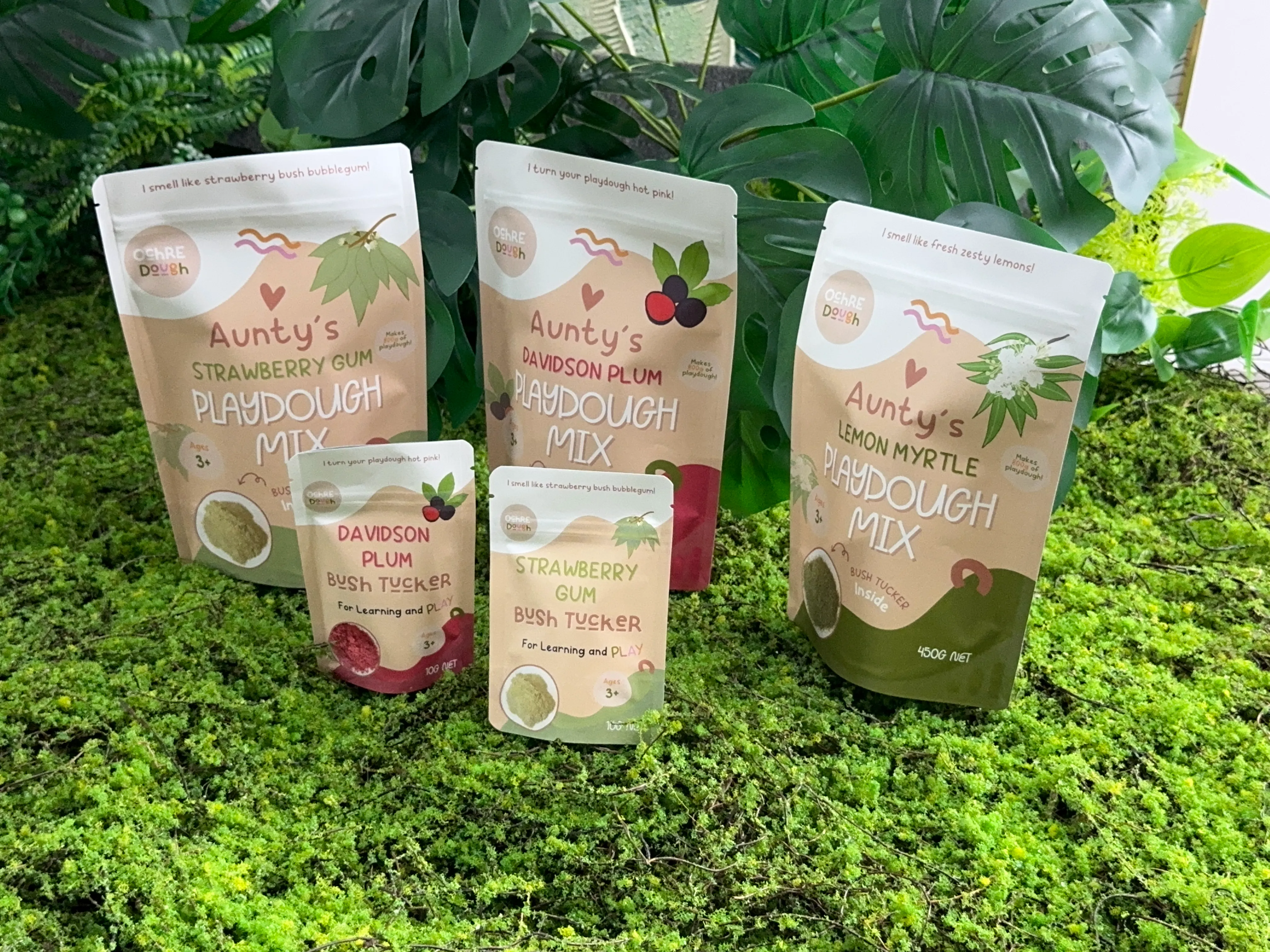
Corrugated Kraft Shipping Mailer
Rigid biodegradable cardboard shipping mailers with double adhesive.
Read Guide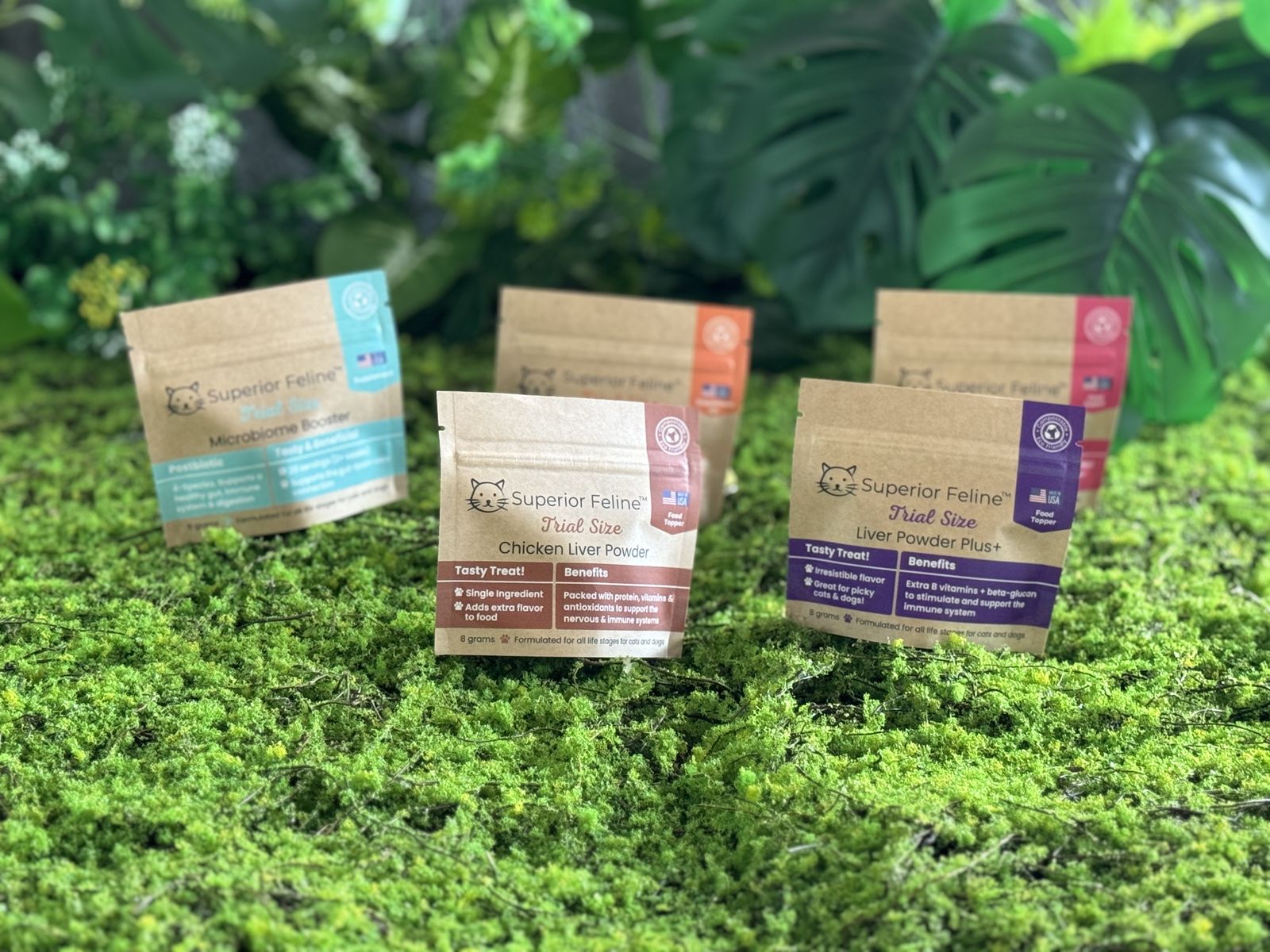
Clear-Window Compostable Pouch
Compostable kraft stand-up pouch featuring a clear plant-based window.
Read Guide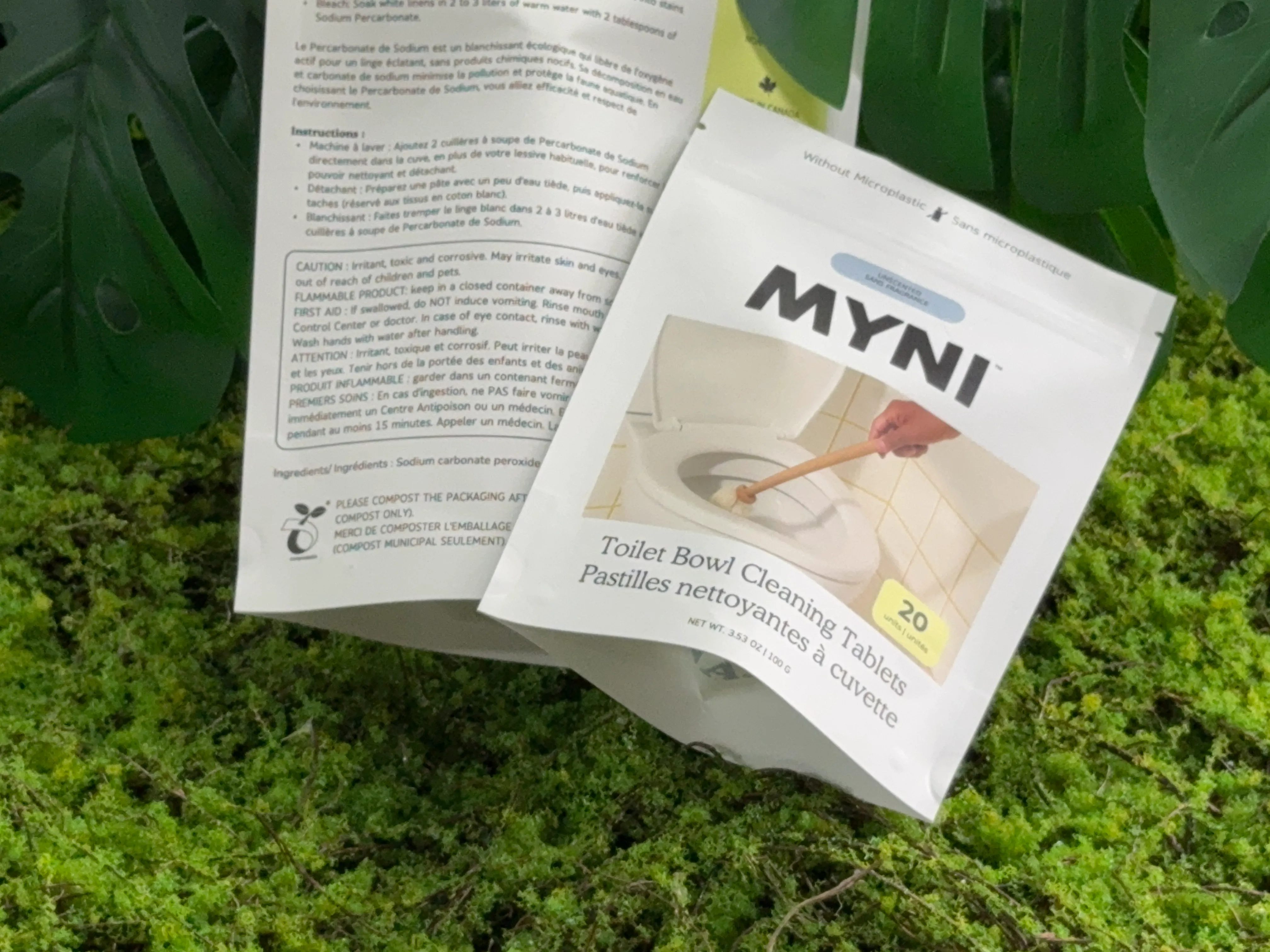
Mono-PE Circular Supplement Bag
Recyclable matte mono-PE supplement bag with heavy-duty zipper.
Read Guide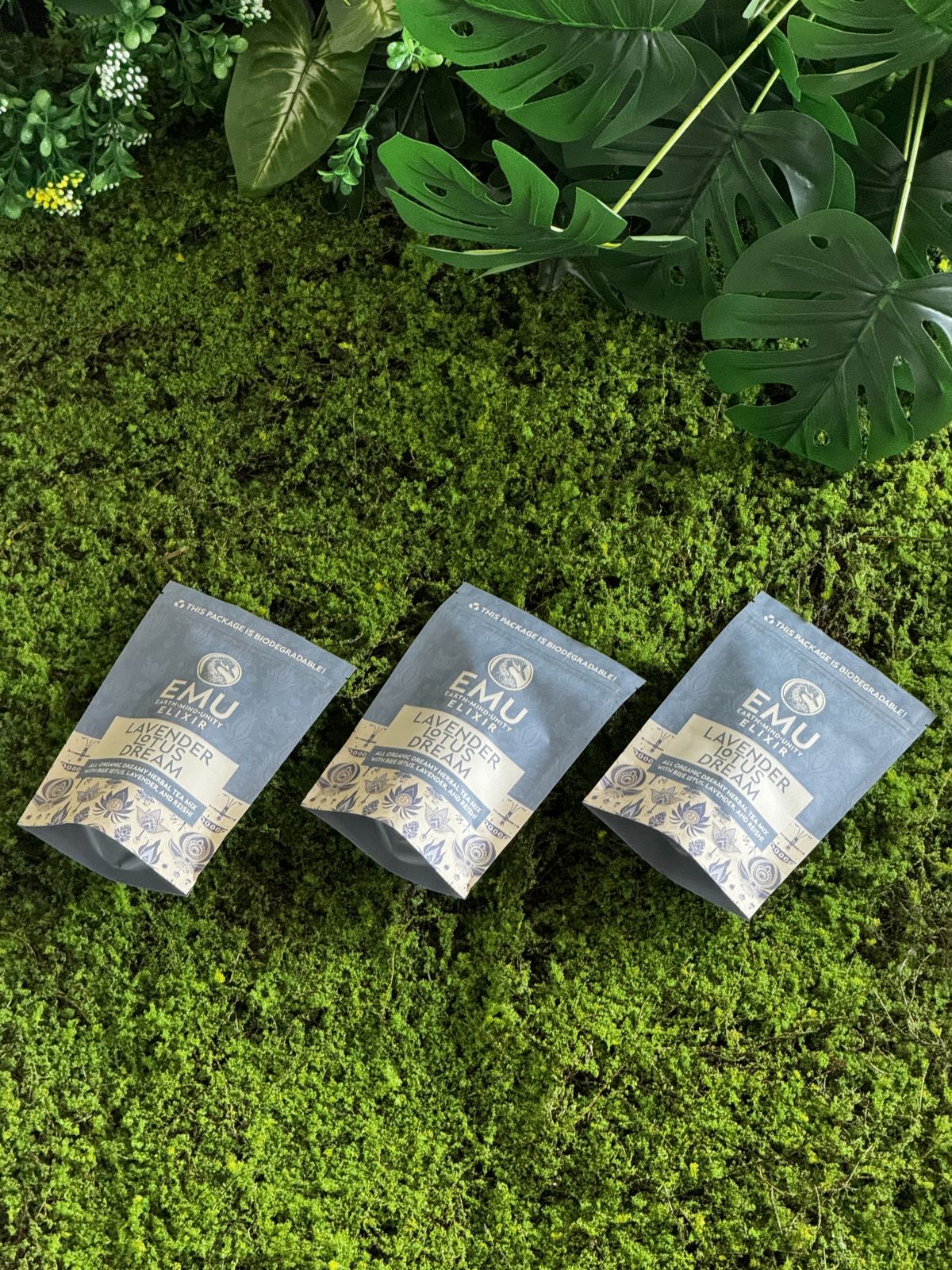
Bio-PE SugarCane Supplement Bag
Sugarcane-derived bioplastics helping brands reduce carbon emissions.
Read Guide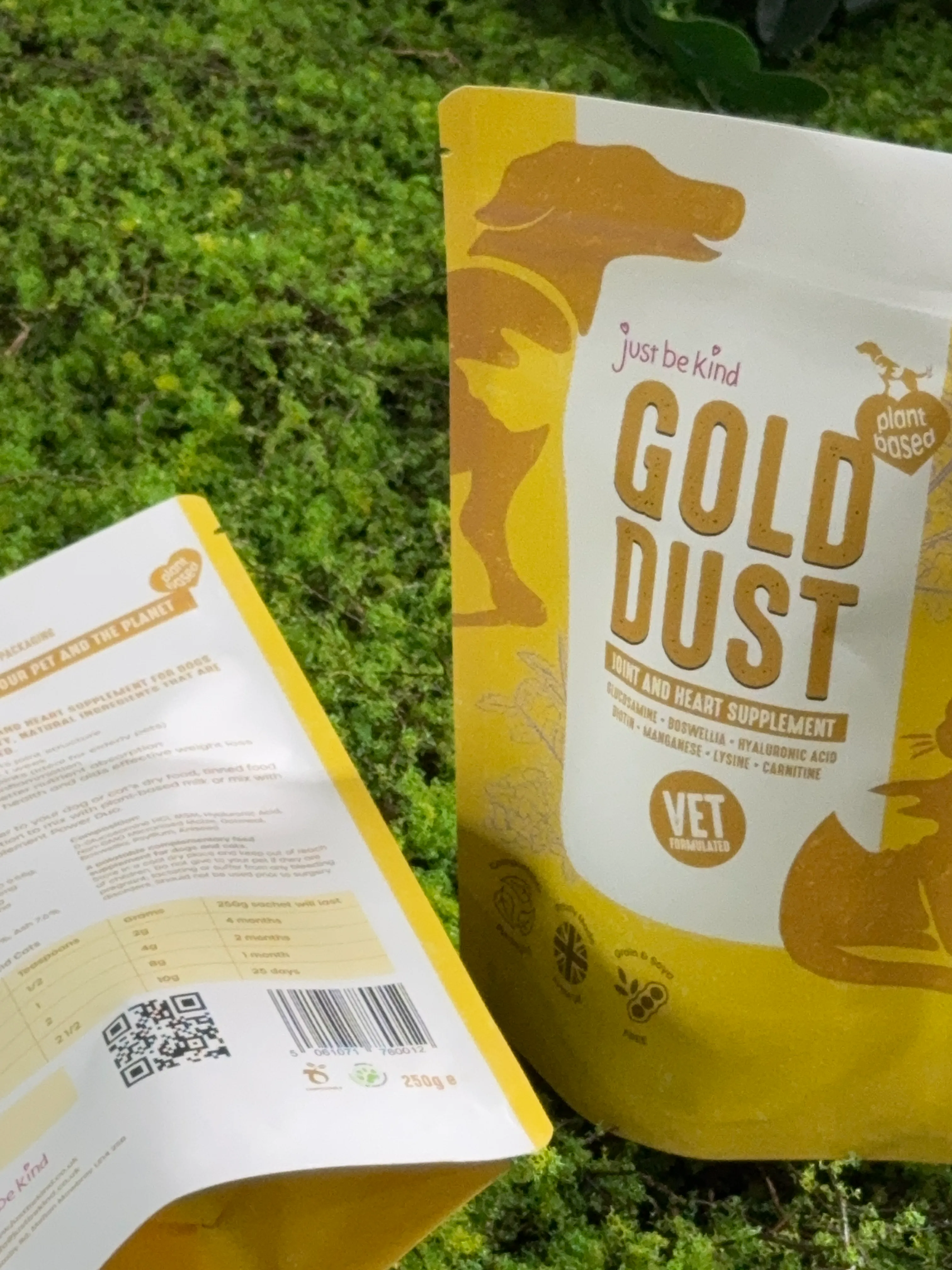
Gusseted Side Coffee Pouch
Expandable side gussets with quad seal structure for stable shelf layout.
Read Guide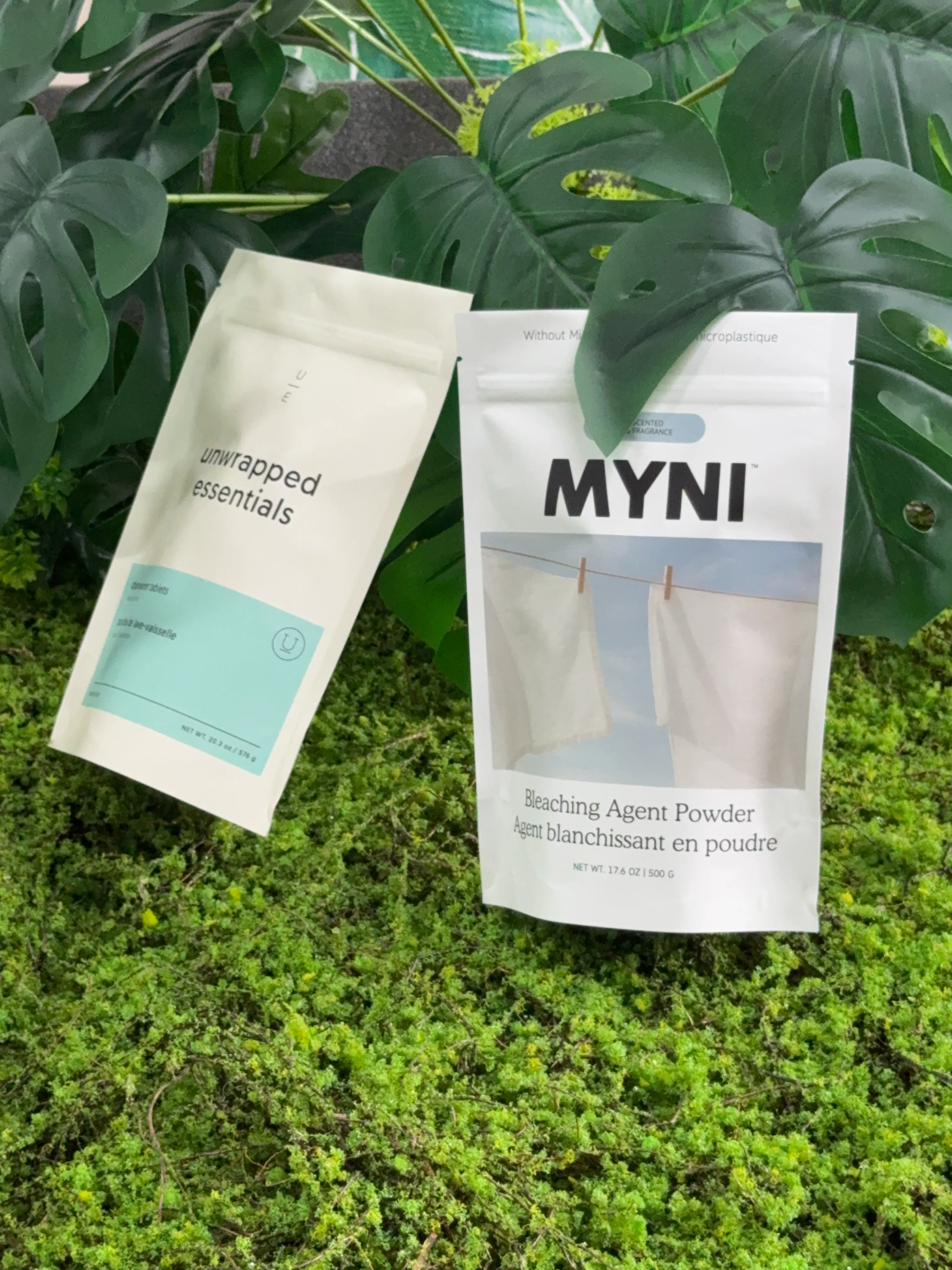
Compostable Matte White Pouch
Eco-friendly matte white stand-up pouches with organic sugar cane paper styling.
Read Guide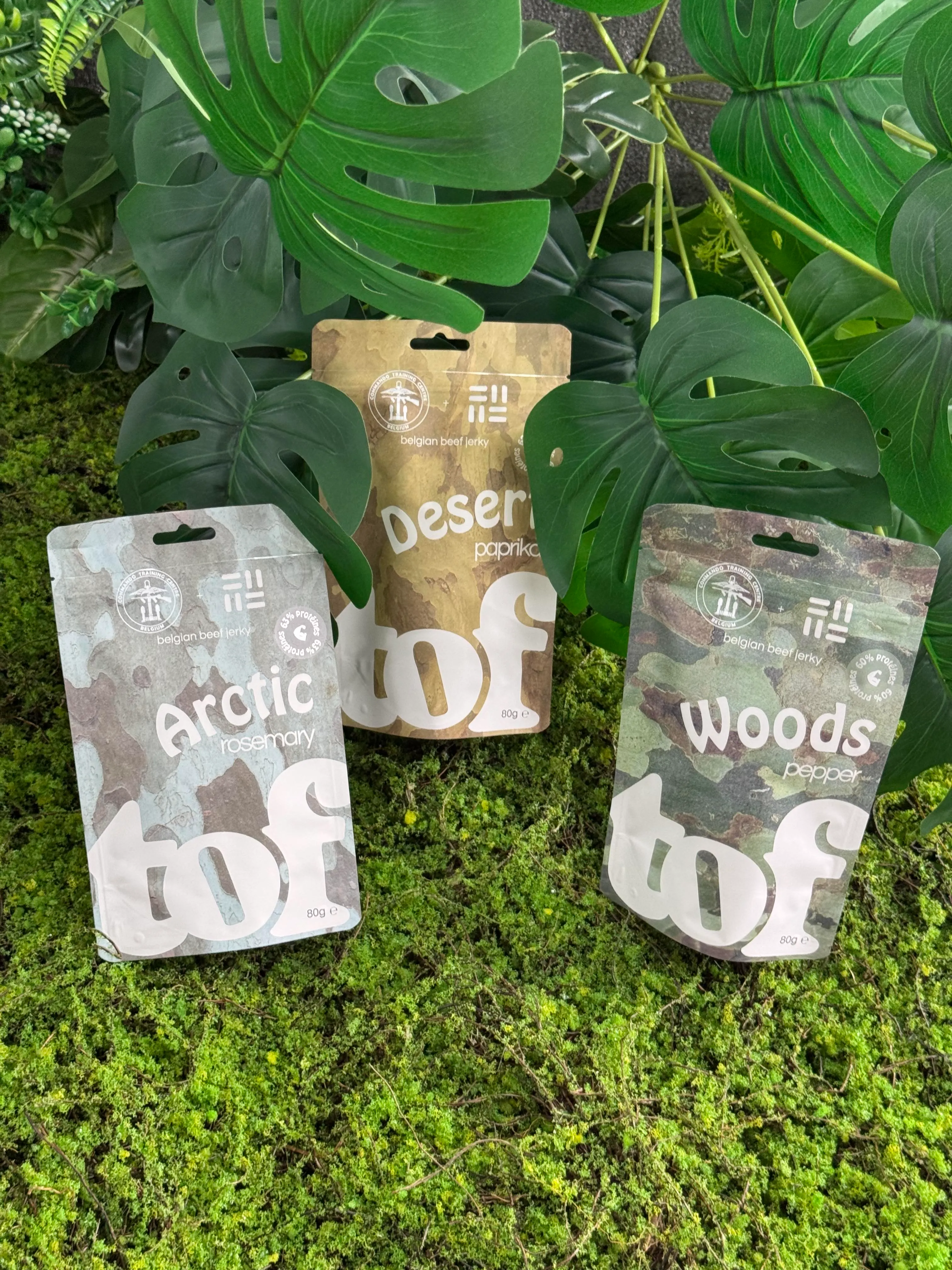
High-Barrier Spouted Purée Pouch
Heavy-duty laminated spouted pouch with tamper-evident caps for liquids and purees.
Read Guide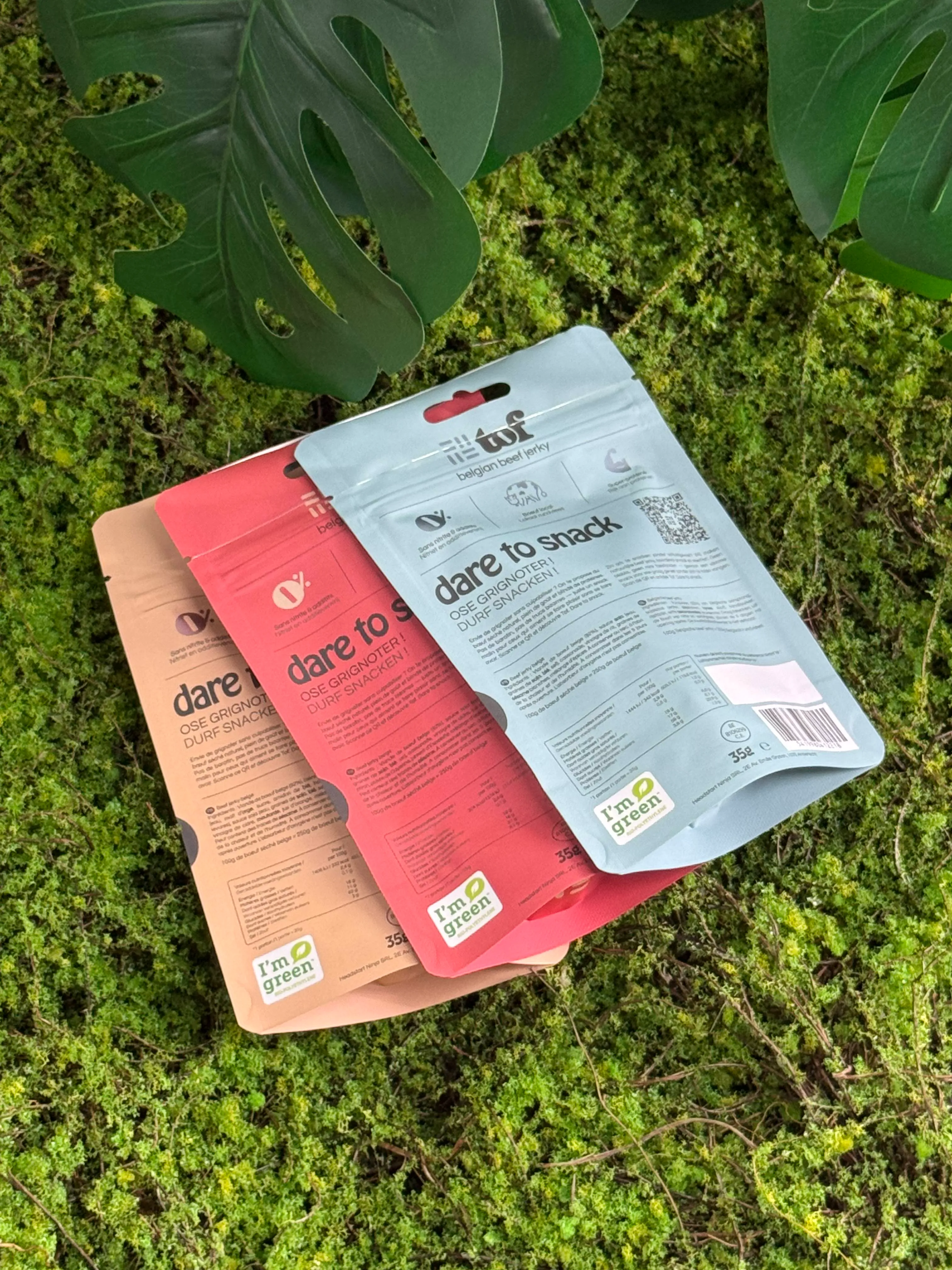
Premium Kraft Paper Flat-Bottom Bag
Block bottom bag with organic kraft outer layer and compostable high-barrier lining.
Read Guide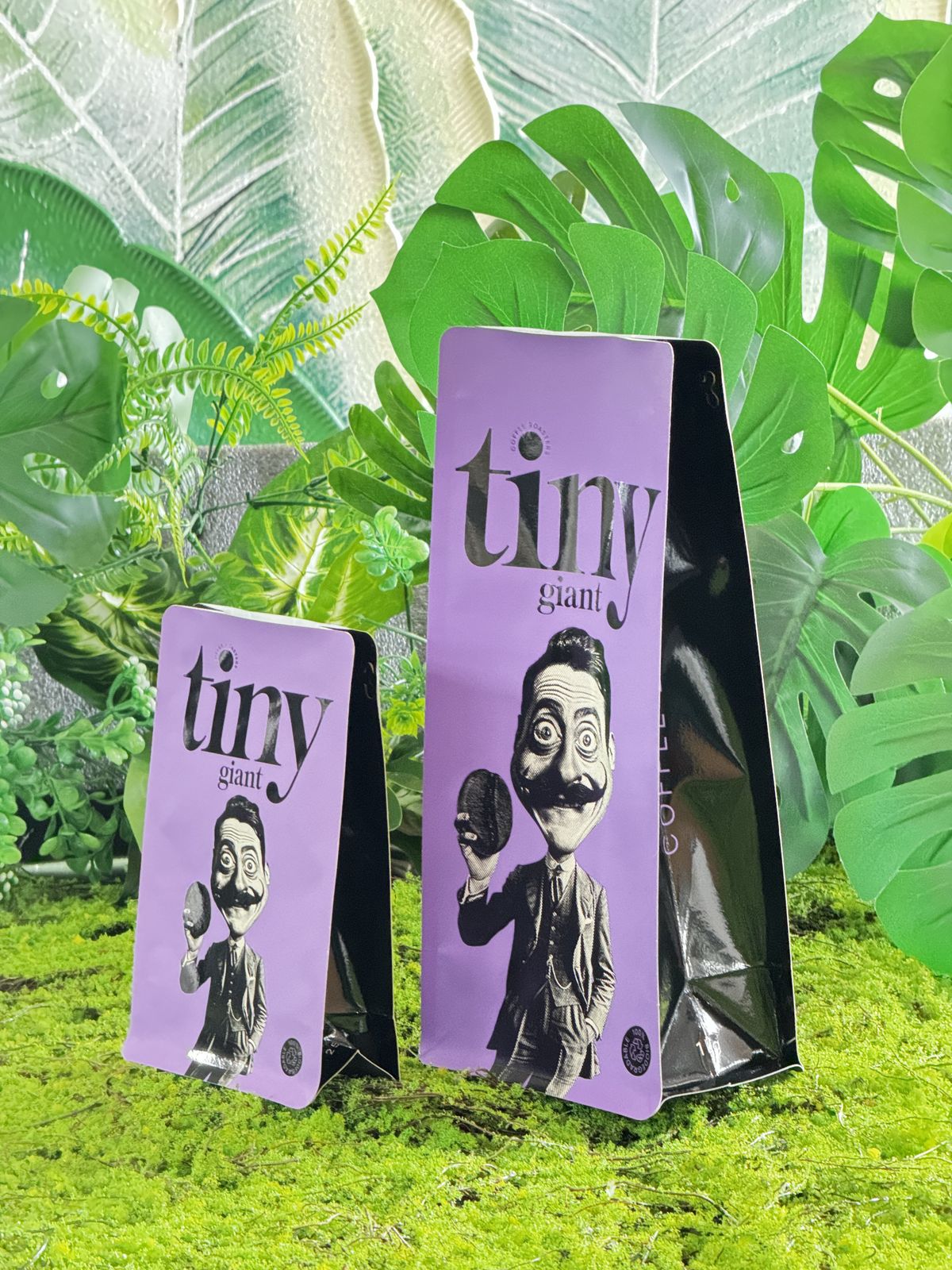
PCR Recycled Plastic Pouch
Incorporating post-consumer recycled plastics into structural layers.
Read Guide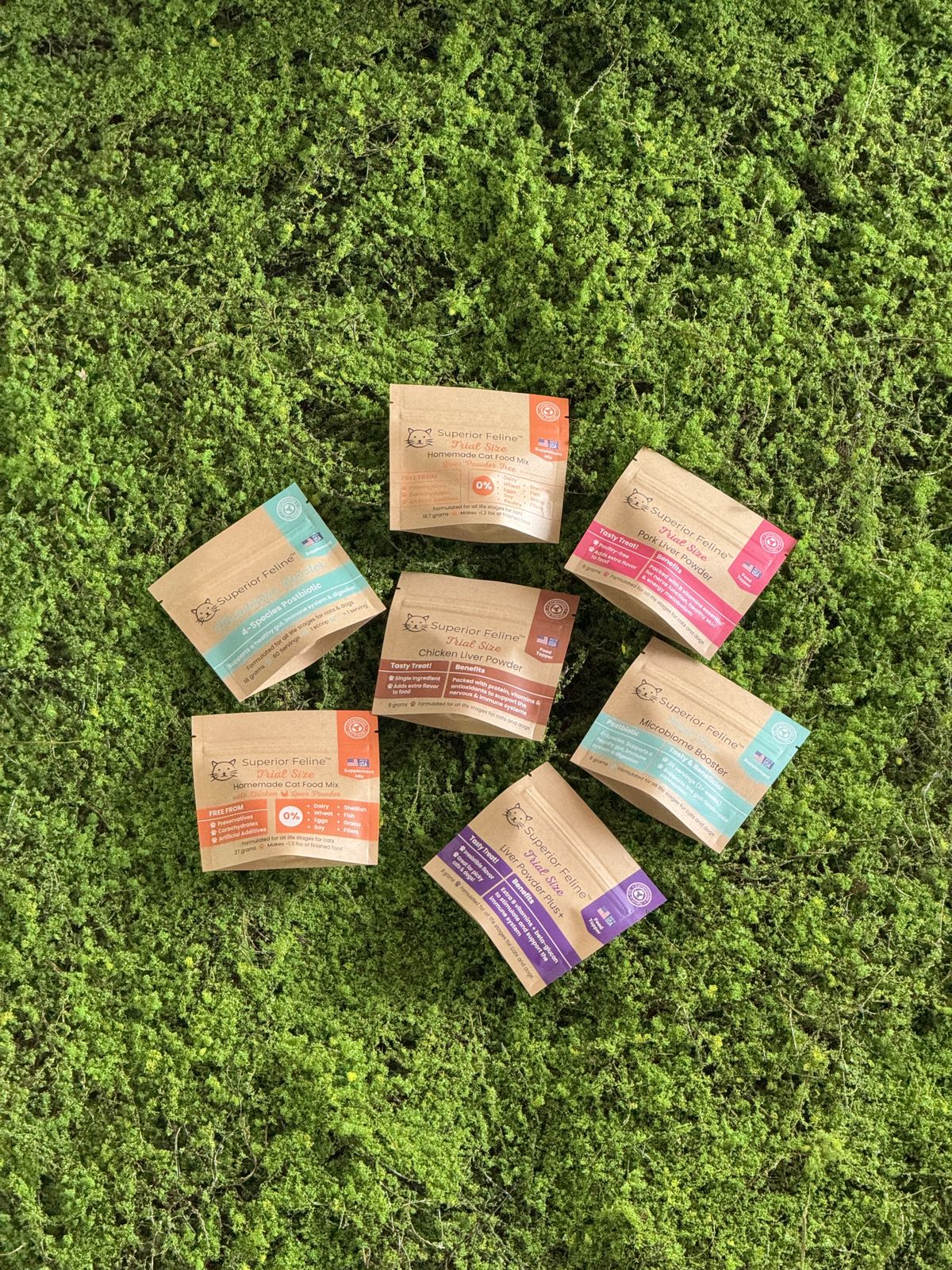
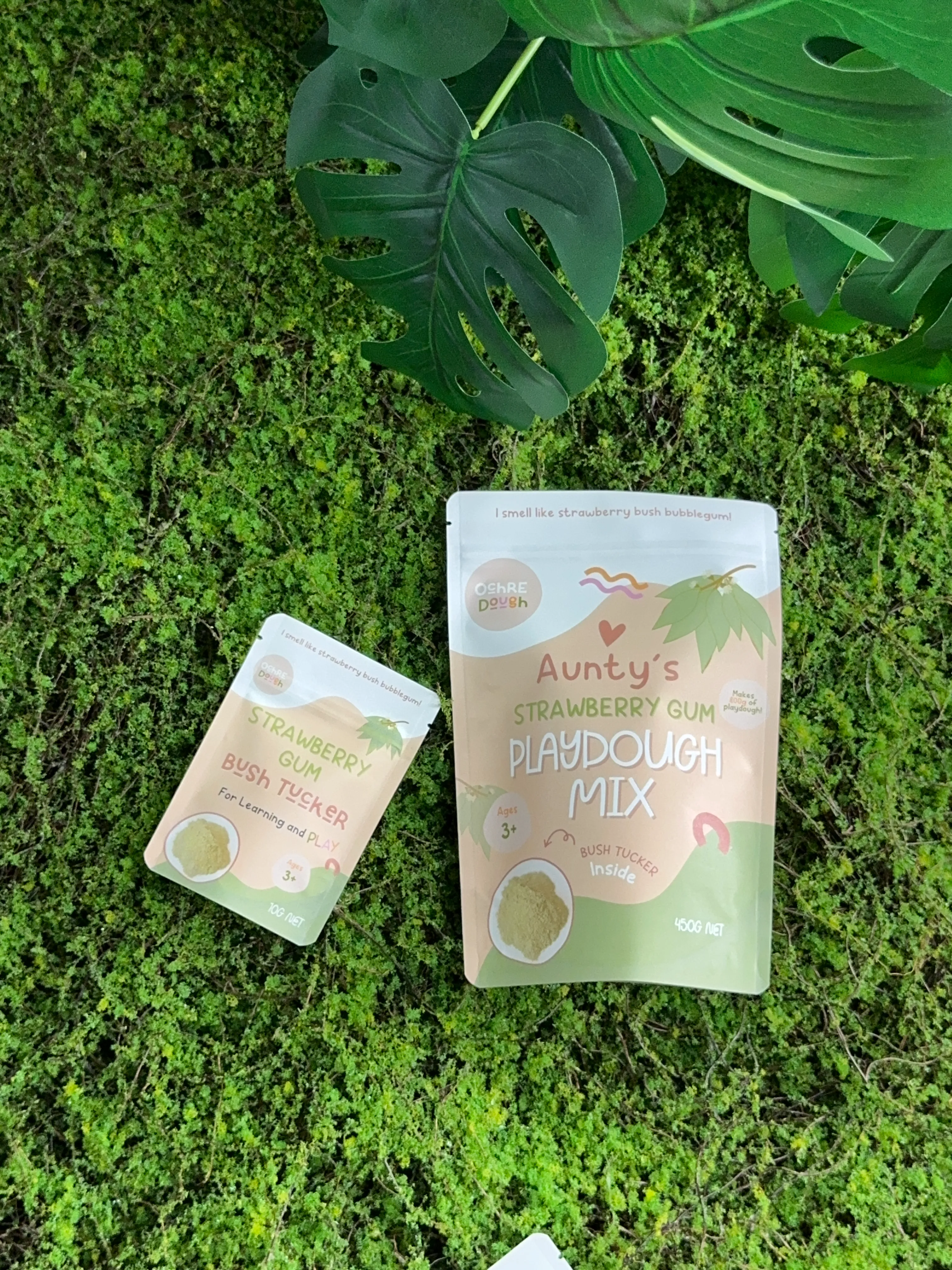
Puncture-Resistant Pet Food Pack
Reinforced structure preventing tears and securing freshness.
Read Guide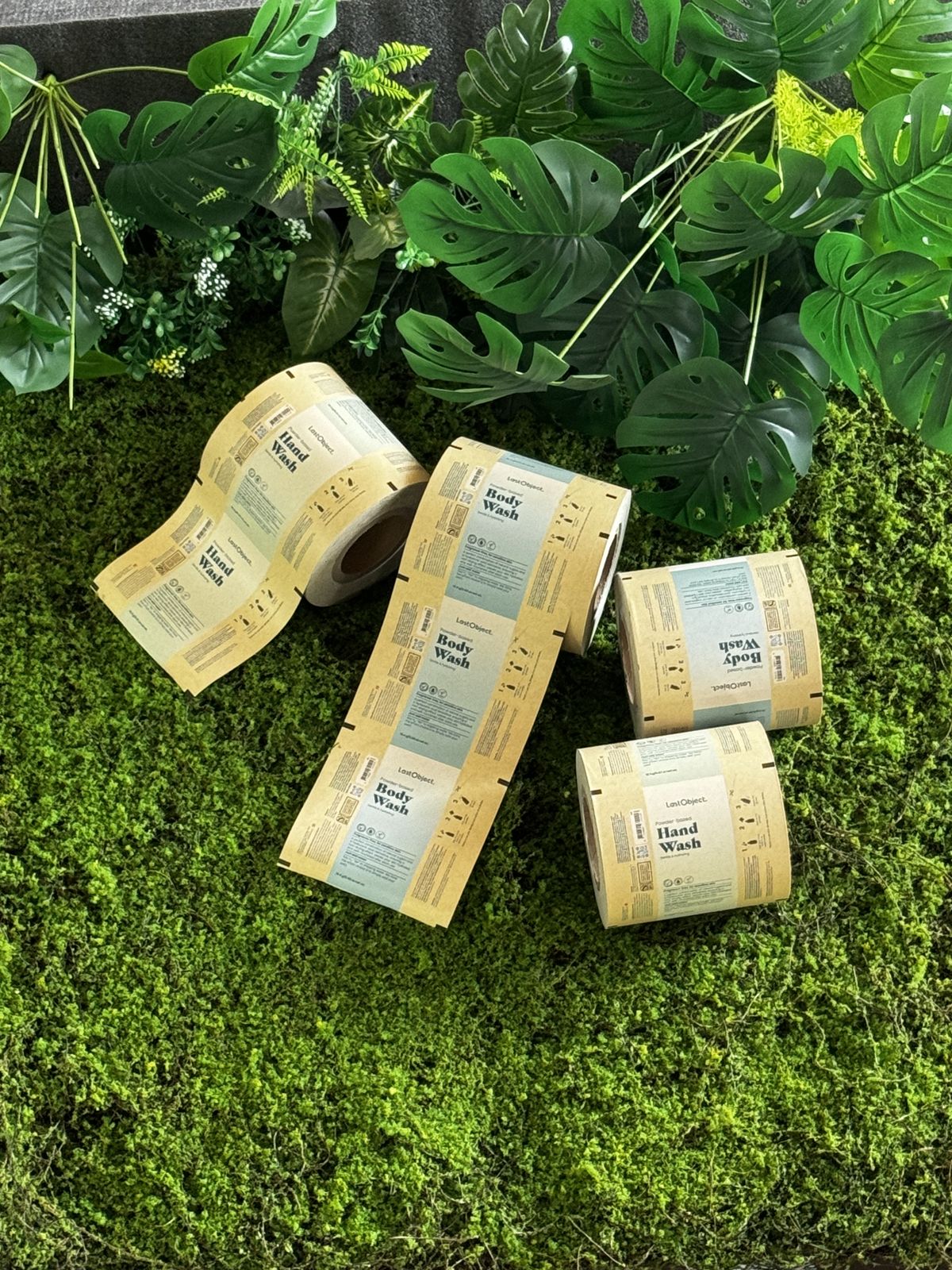
Premium Black Matte Coffee Bag
Sleek matte black flat bottom bag with integrated pocket zipper.
Read Guide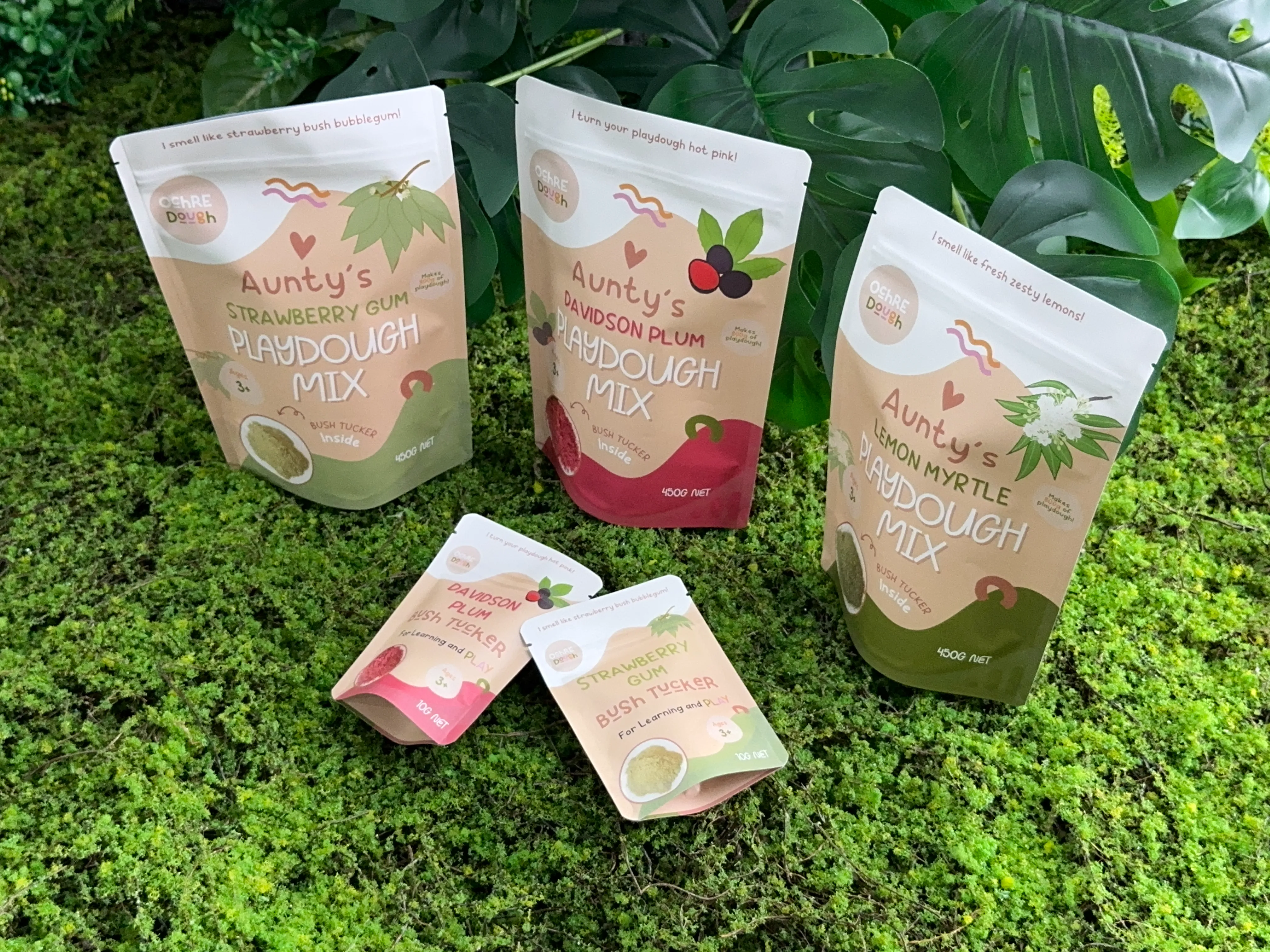
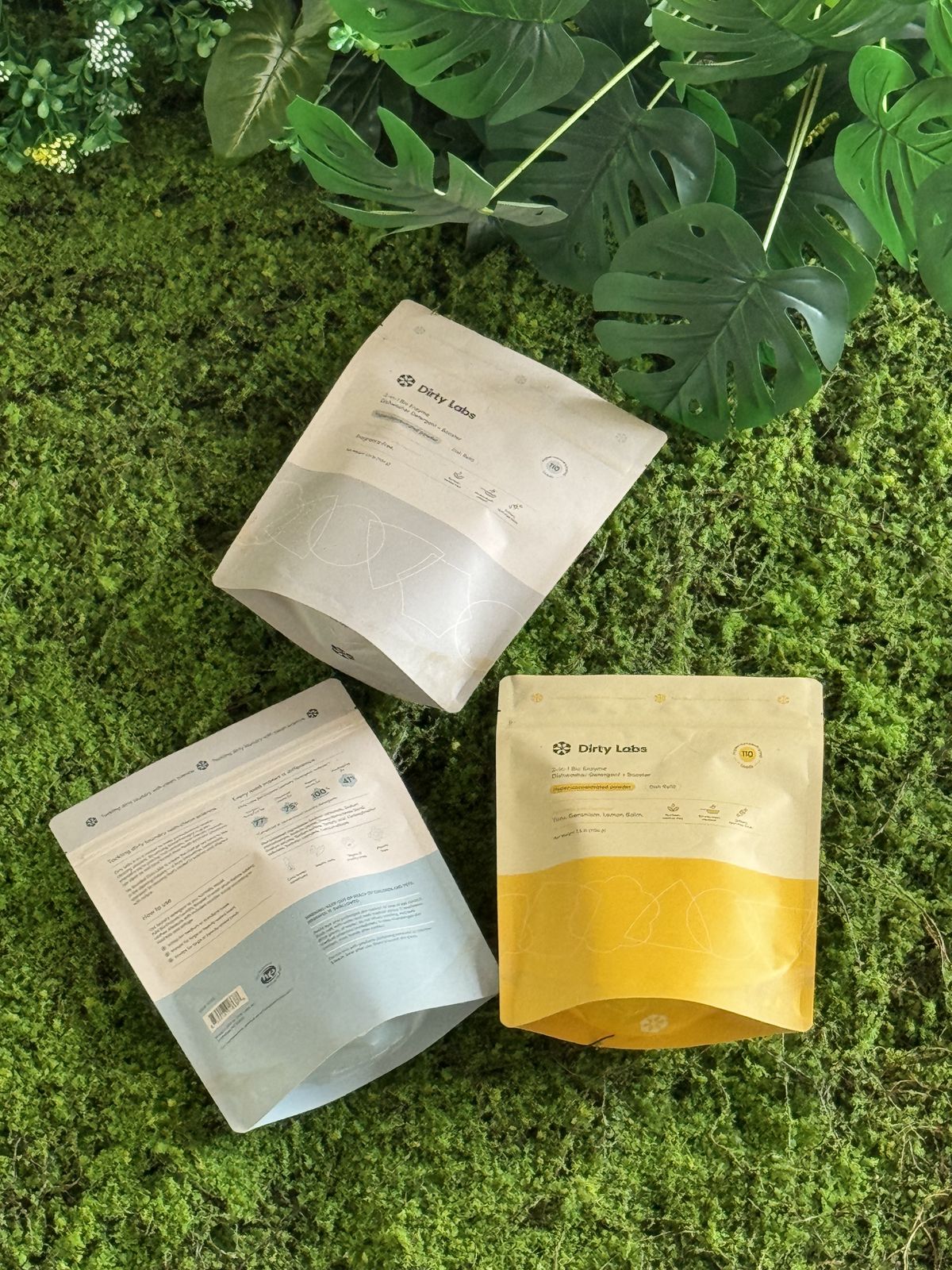
Spouted Juice & Liquid Pouch
Heavy-duty laminated structures with rigid spouts for leakproof transit.
Read Guide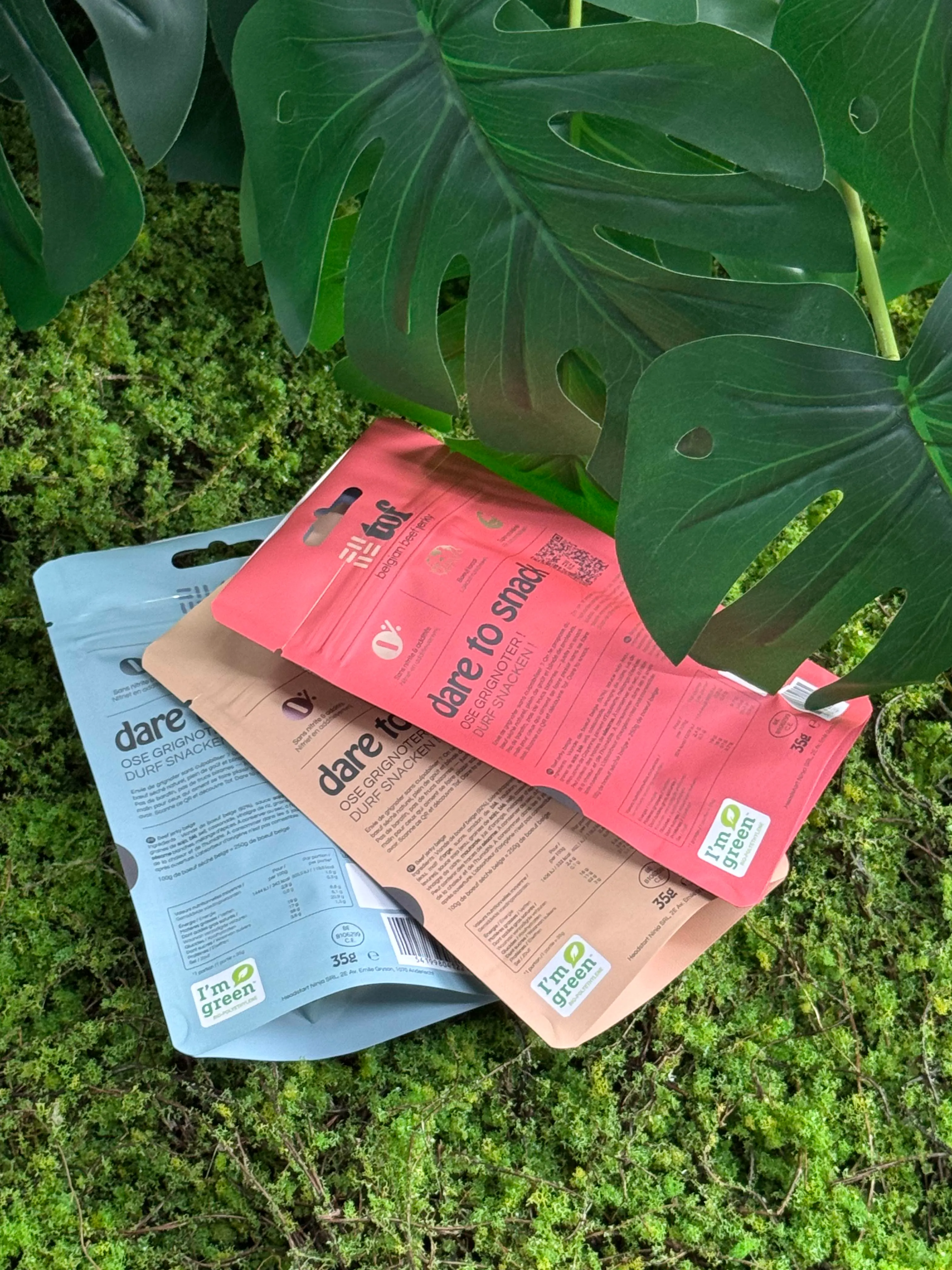
Eco-Luxe Matte Box & Pouch Set
Vibrant custom-printed rigid boxes paired with matching barrier stand-up pouches.
Read Guide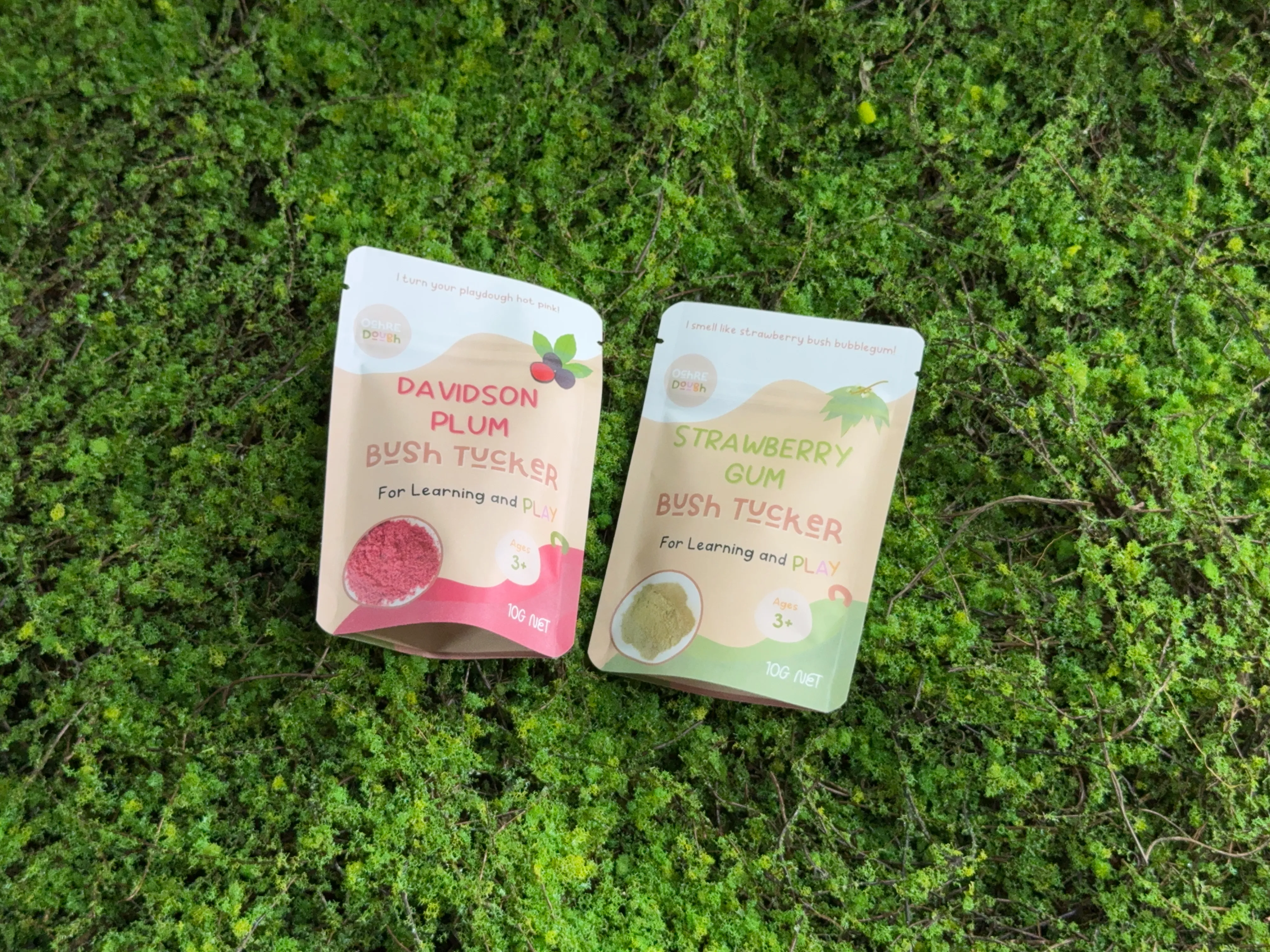
Circular Mono-PE Jerky Pouch
High oxygen barrier mono-PE film suitable for cured meats and jerky.
Read Guide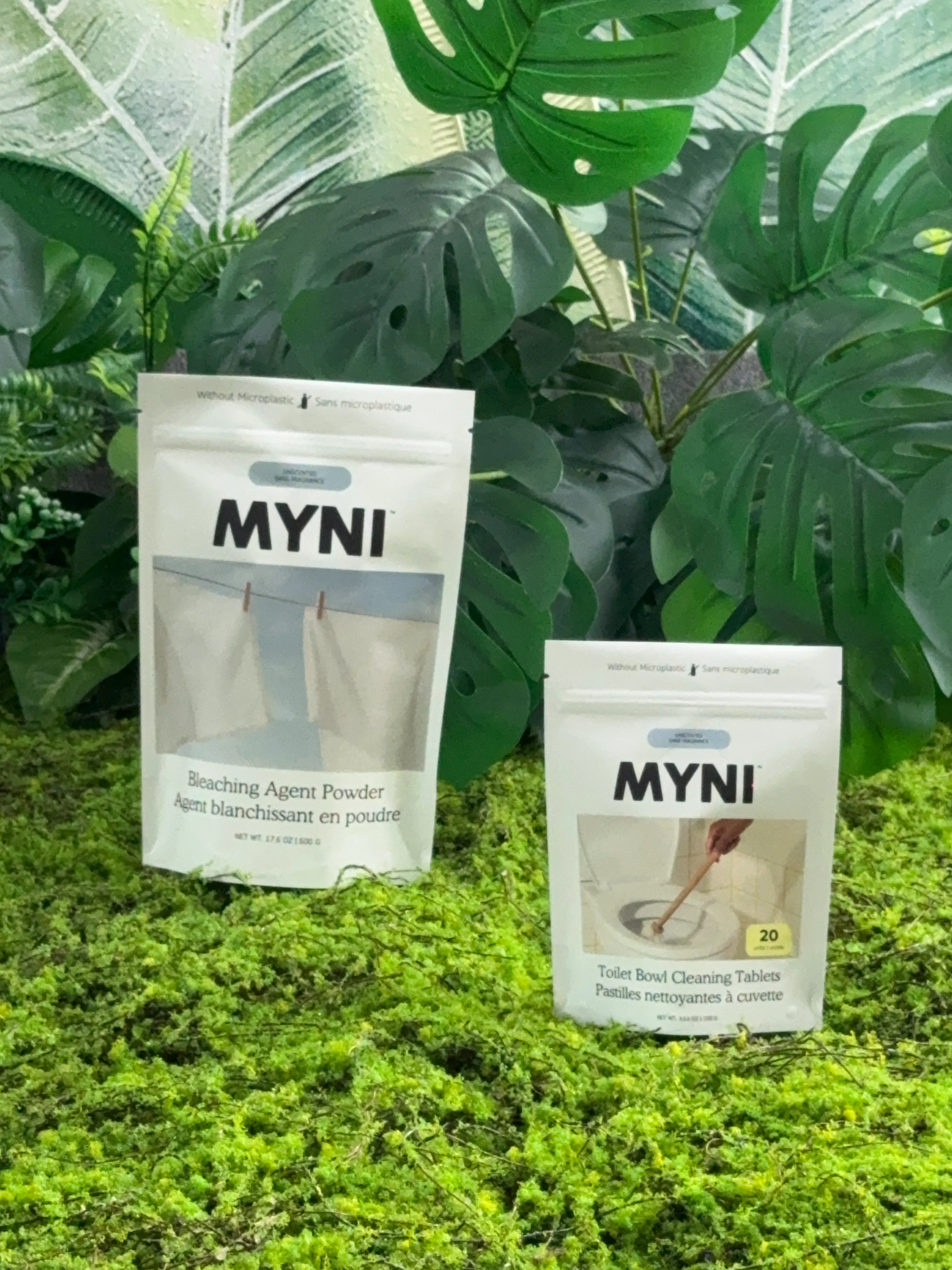
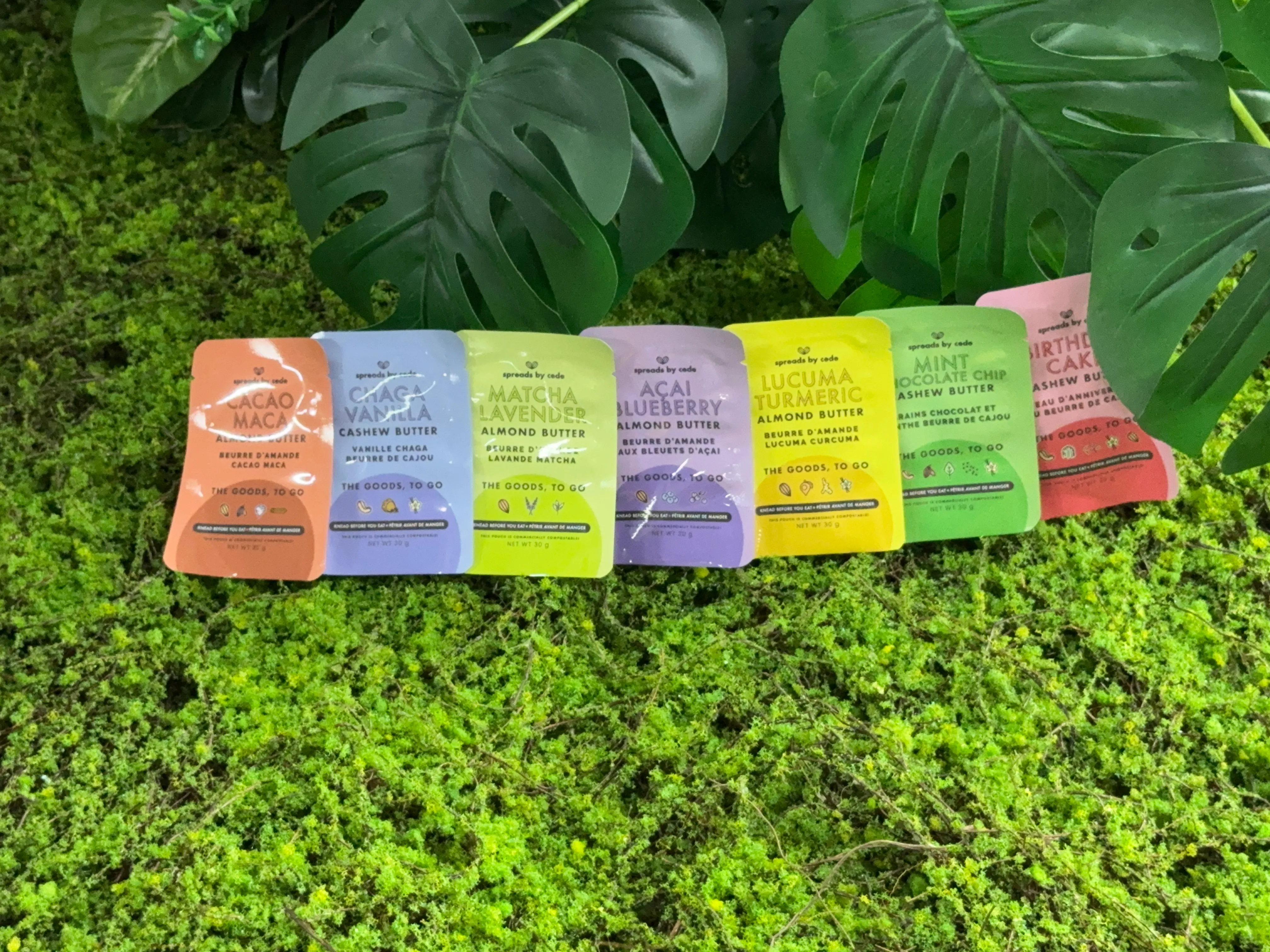
Matte Black Custom Coffee Bag
Modern matte black flat bottom bag featuring front pocket zipper.
Read Guide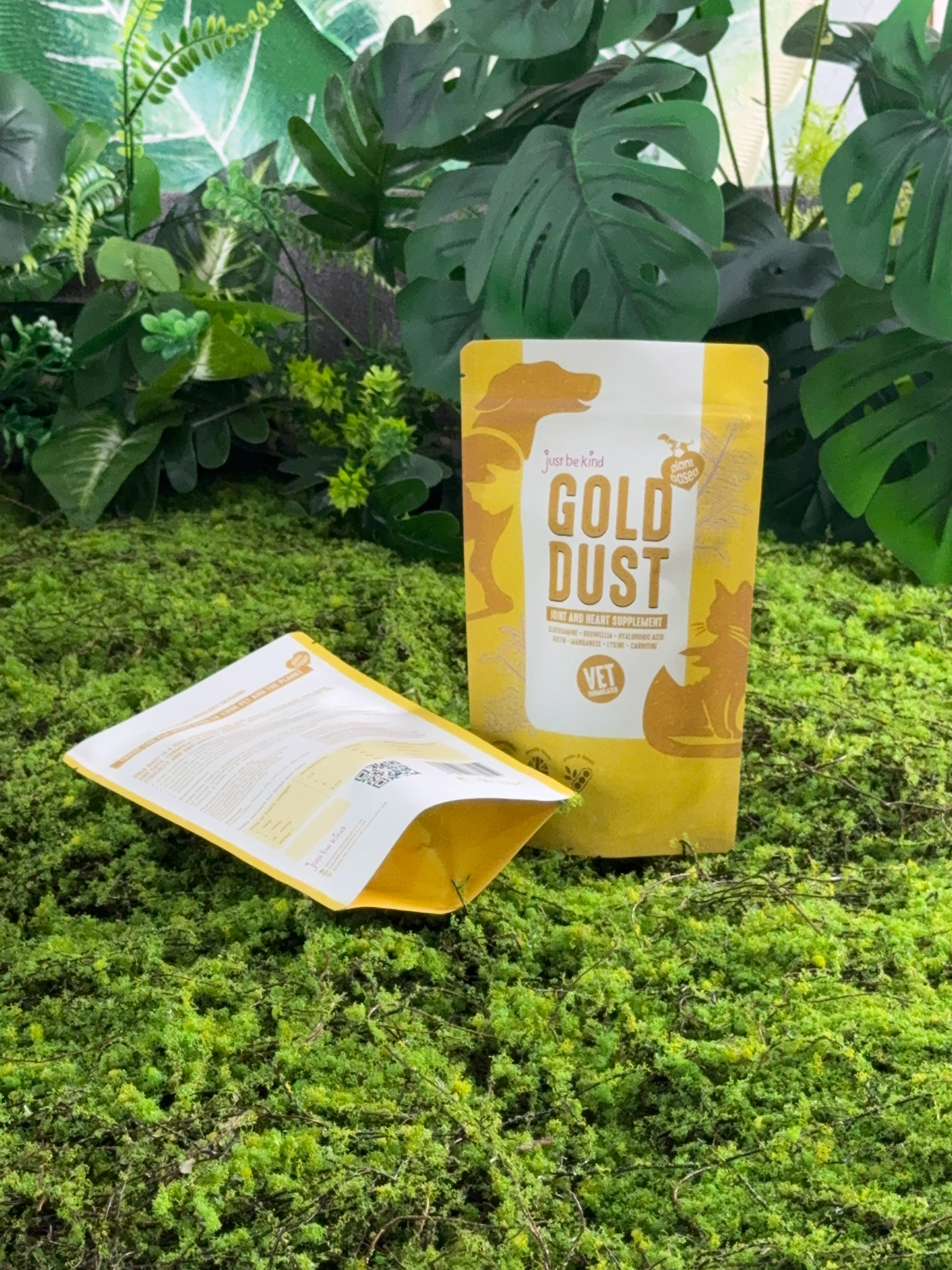
Home Compostable Nuts Pouch
TÜV OK Compost HOME certified stand-up pouch for organic snacks.
Read GuideSee Our Know How
Explore our comprehensive knowledge base on sustainable materials, packaging specifications, and D2C strategies.

Eco Packaging Mistakes
Avoid common design and material selection errors that disrupt commercial supply chains.
Read Guide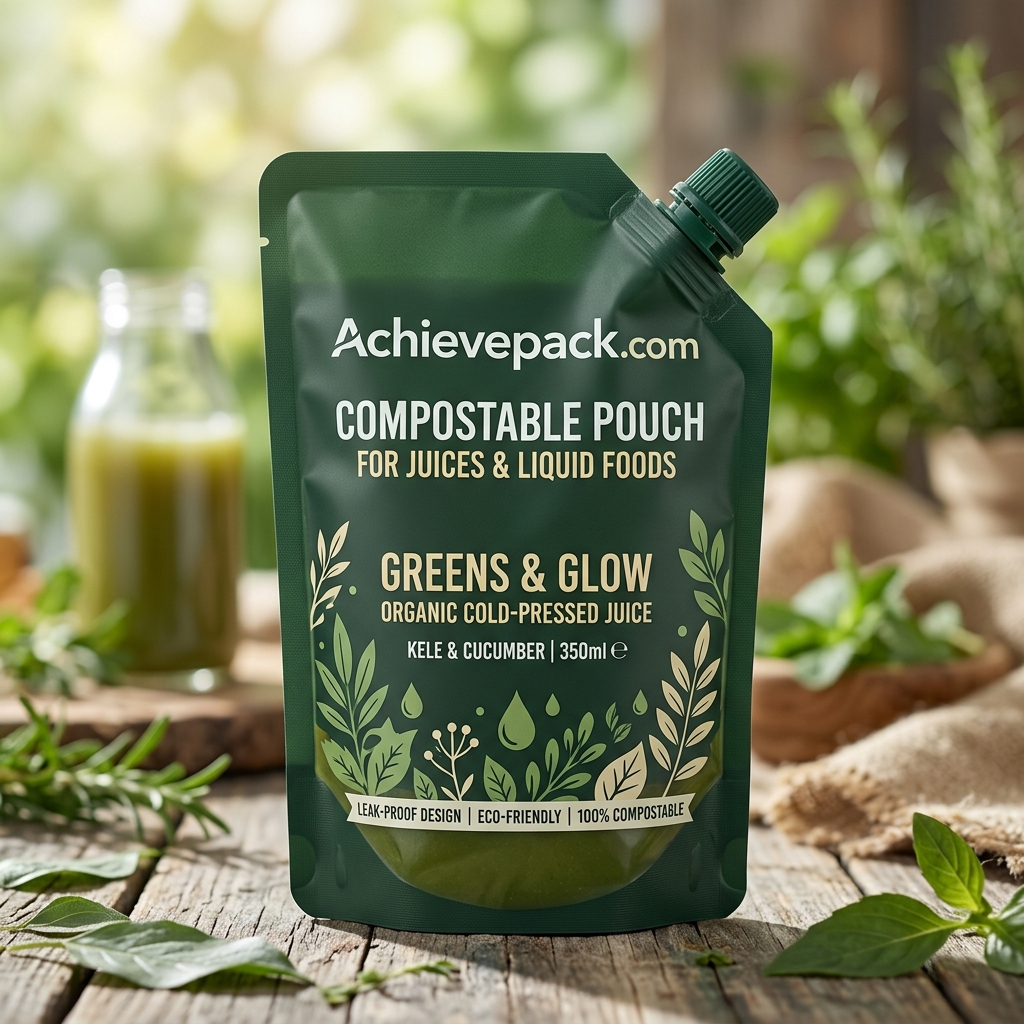
Spouted Liquid Pouches
Flexible bottle-shaped pouches with fitment caps designed to hold cosmetics, drinks, and purees.
Read Guide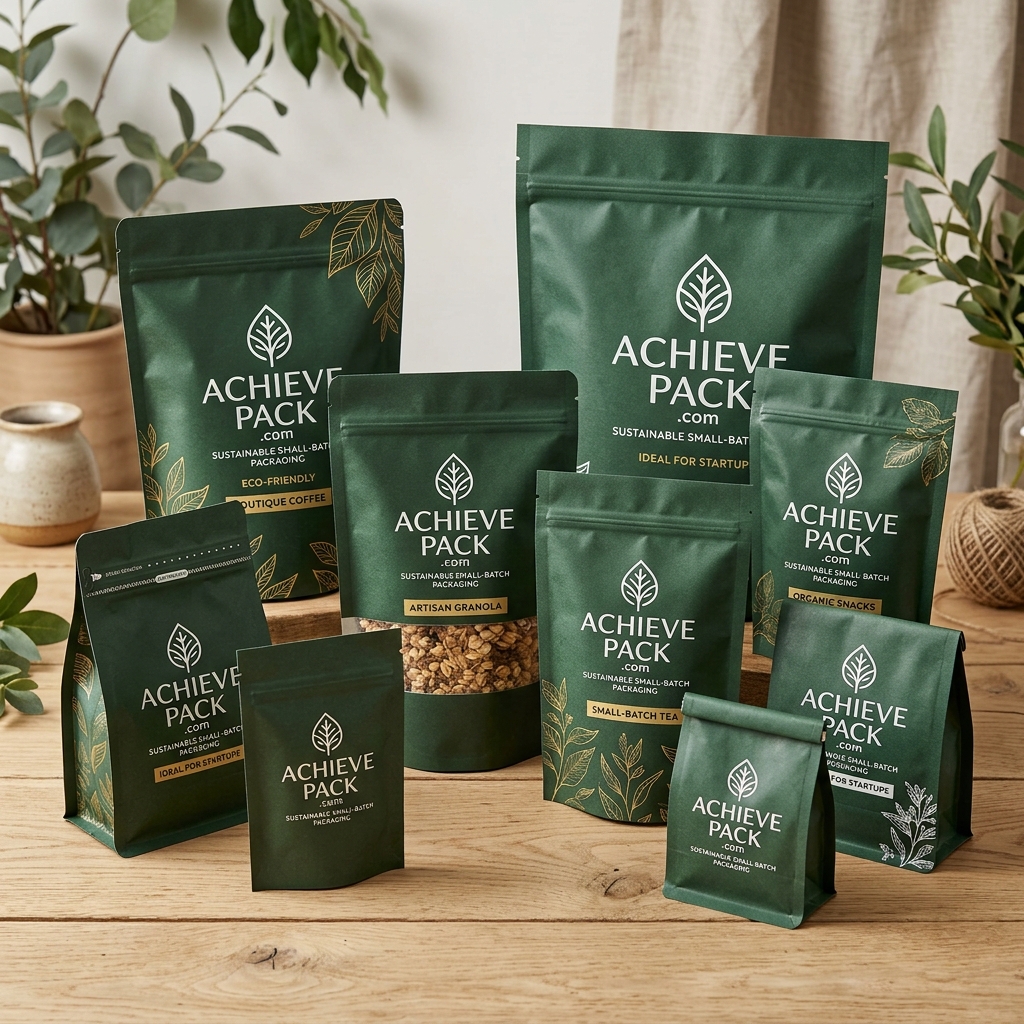
Low MOQ Startup Tips
Strategic advice on split-shipping, template reuse, and digital runs for multi-SKU brands.
Read Guide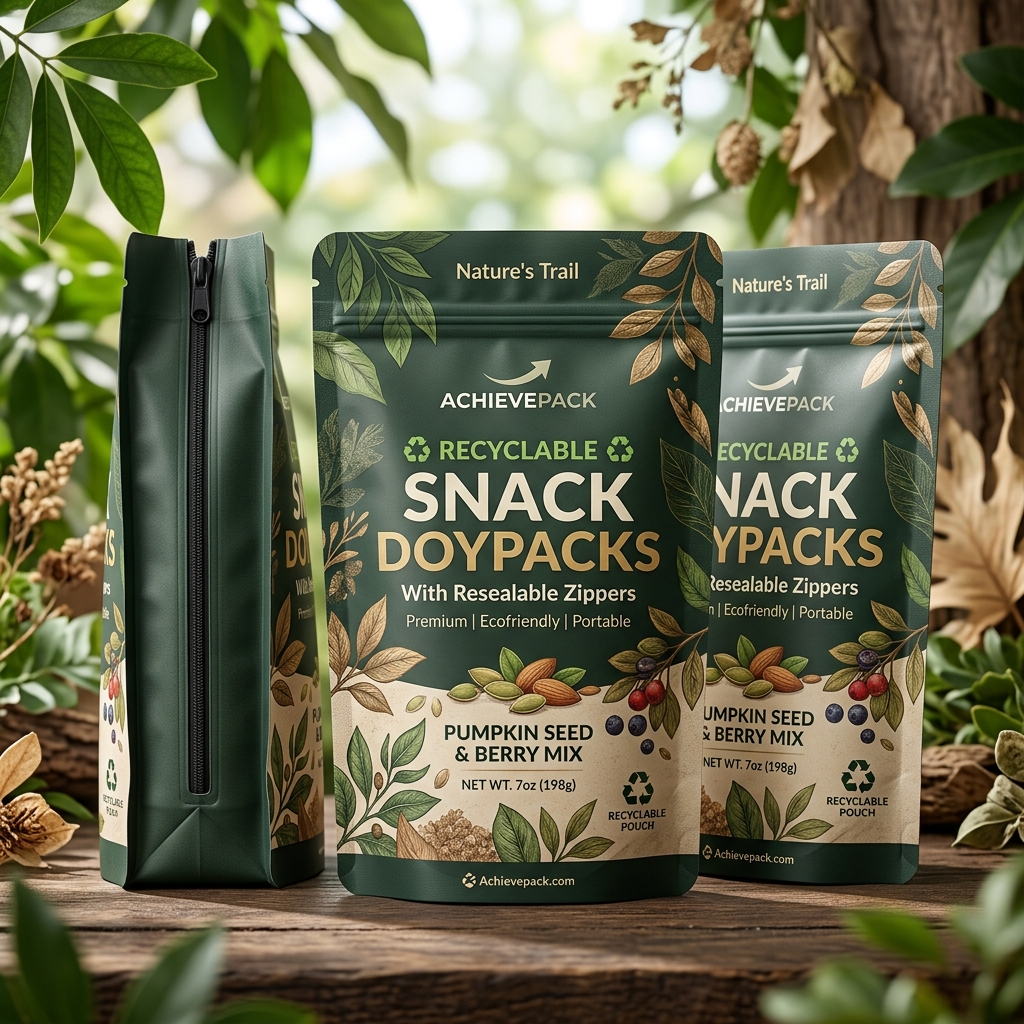
Recyclable Snacks Pouch
Preserving chips and granola freshness using EVOH-coated recyclable polyethylene structures.
Read Guide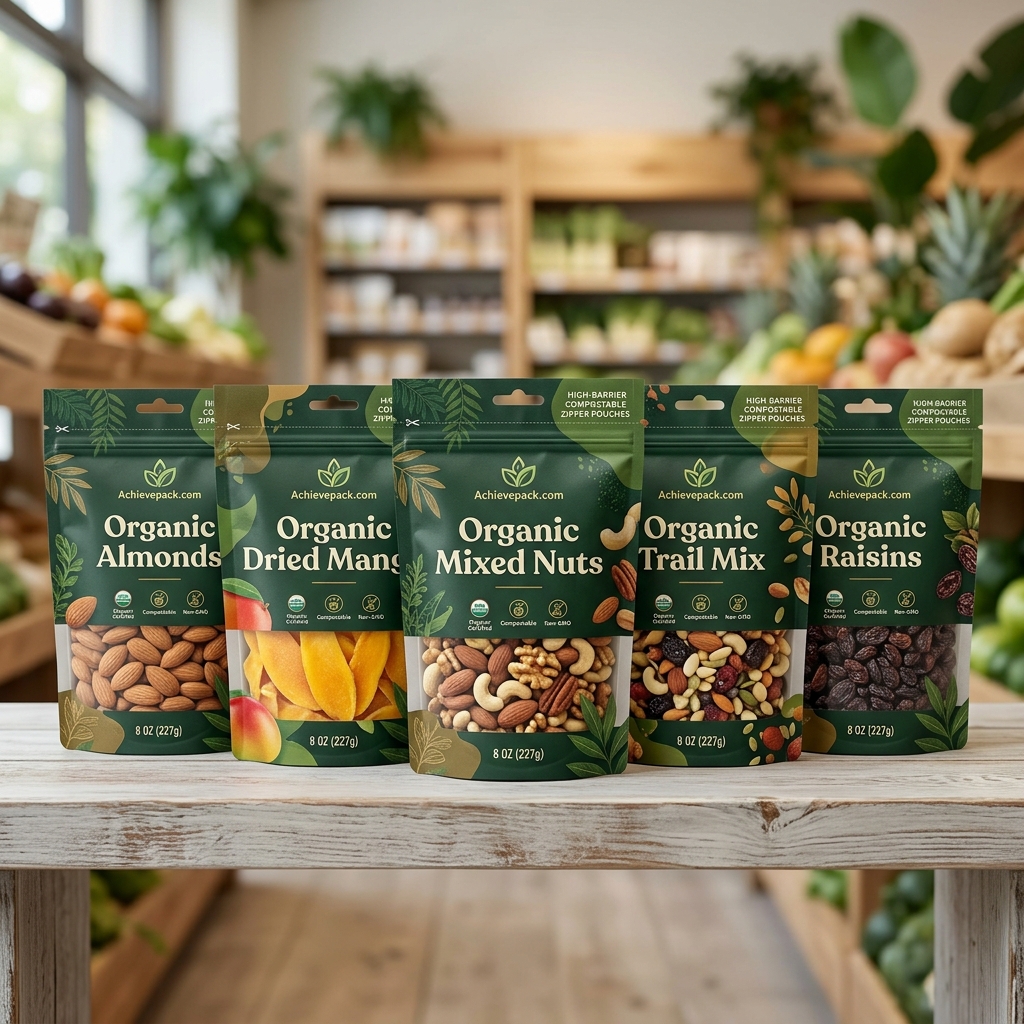
Snack Brand Packaging
Lightproof and air-tight pouches to maintain crispness and extend retail shelf life.
Read Guide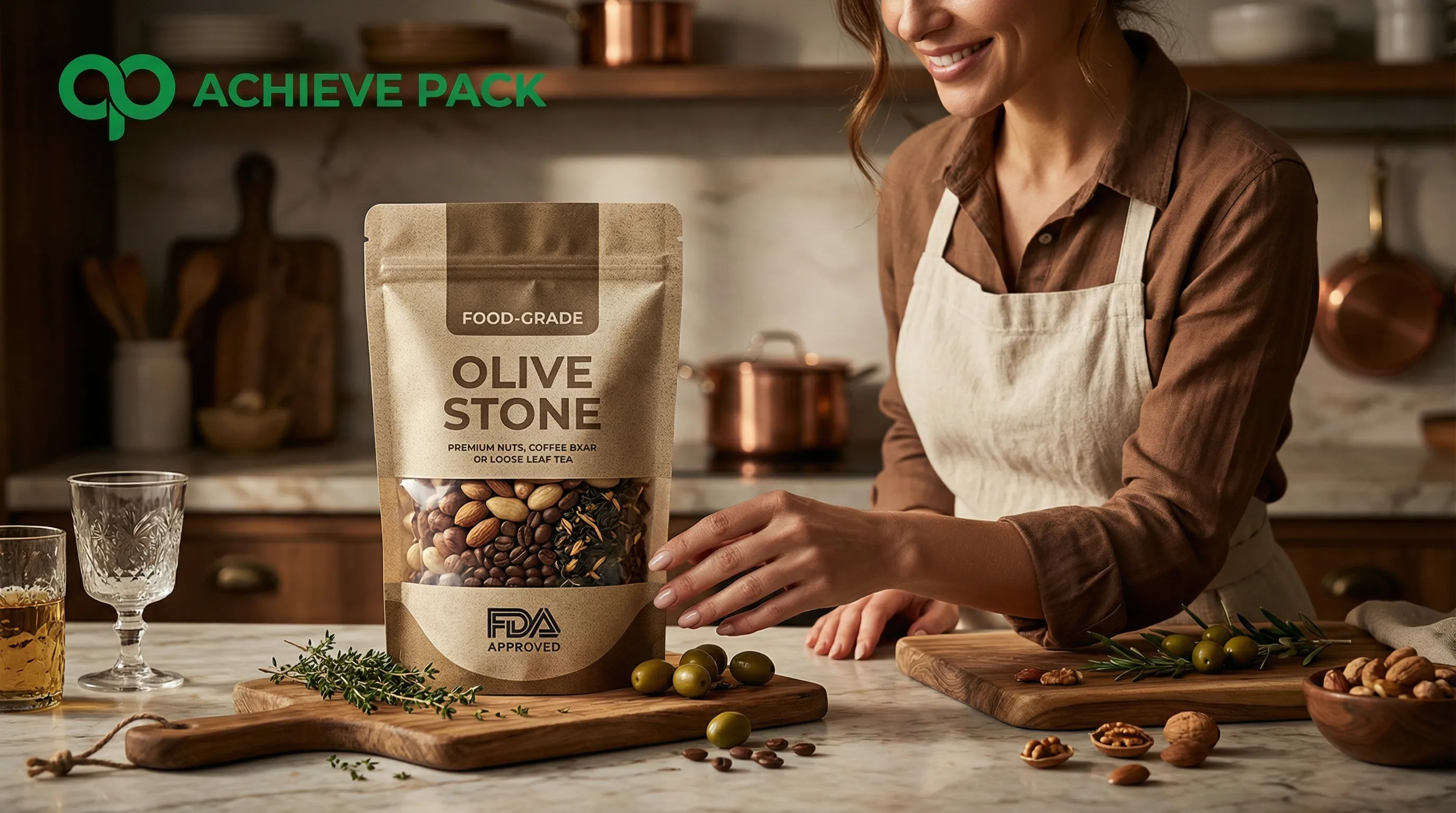
Pet Treats Case Study
Developing high-volume pet food pouches with puncture-resistant layers and durable zippers.
Read Guide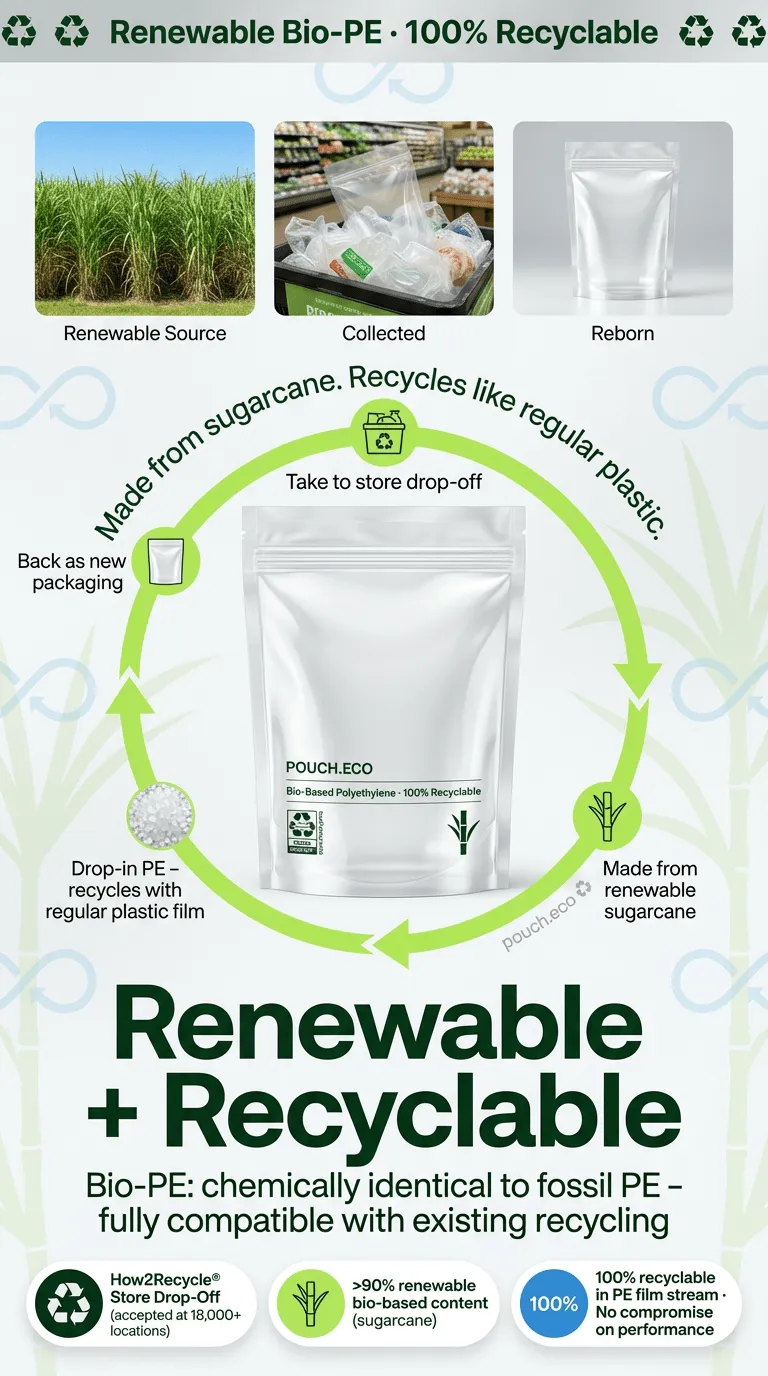
Sugarcane Bio-PE
Plant-based polyethylene films derived from sugarcane that reduce carbon footprint.
Read Guide
Compostable Materials
Overview of organic starch-based polymers and plant cell membranes that biodegrade safely.
Read Guide
Coffee Roaster Packaging
High-barrier foil stand-up and flat bottom bags equipped with degassing valves.
Read Guide
Compostable vs Recyclable
Deciding between circular plastic recovery and organic composting paths for your packaging.
Read Guide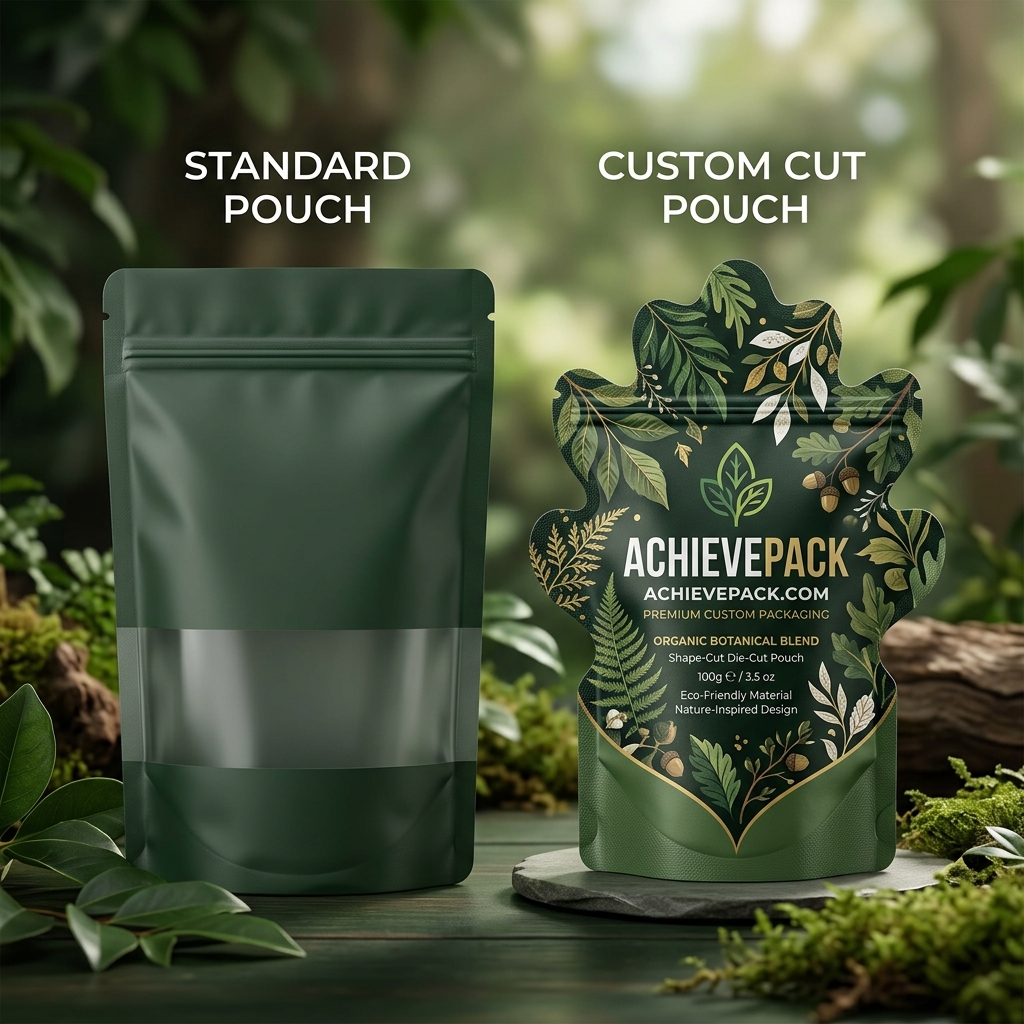
Custom Printed Boxes
Sturdy corrugated cardboard boxes, mailers, and custom retail displays with custom finishes.
Read Guide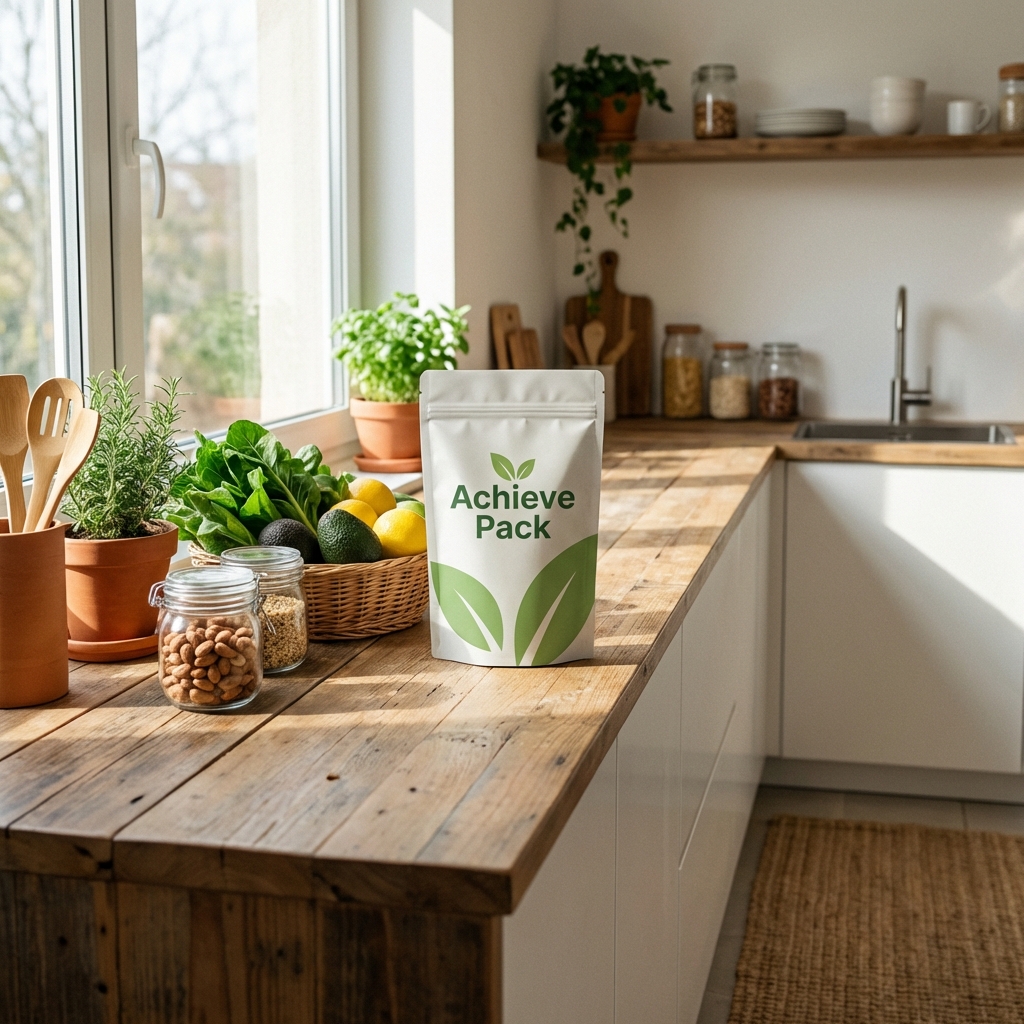
Stand Up Pouches
The classic retail packaging format with bottom gusset and custom resealable zippers.
Read Guide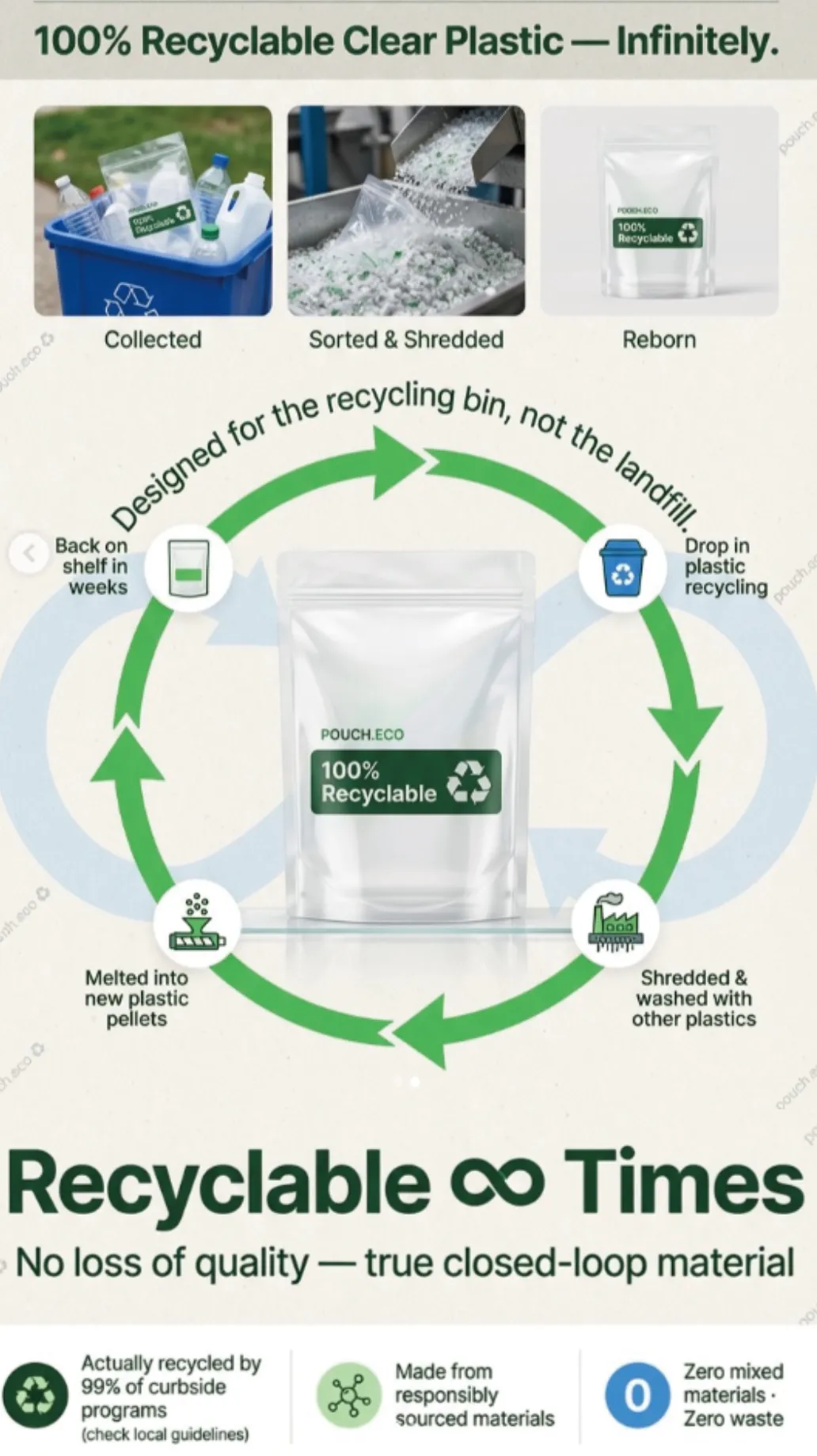
Recyclable Mono-PE
Engineered single-polymer films with EVOH barrier that qualify for standard recycling streams.
Read Guide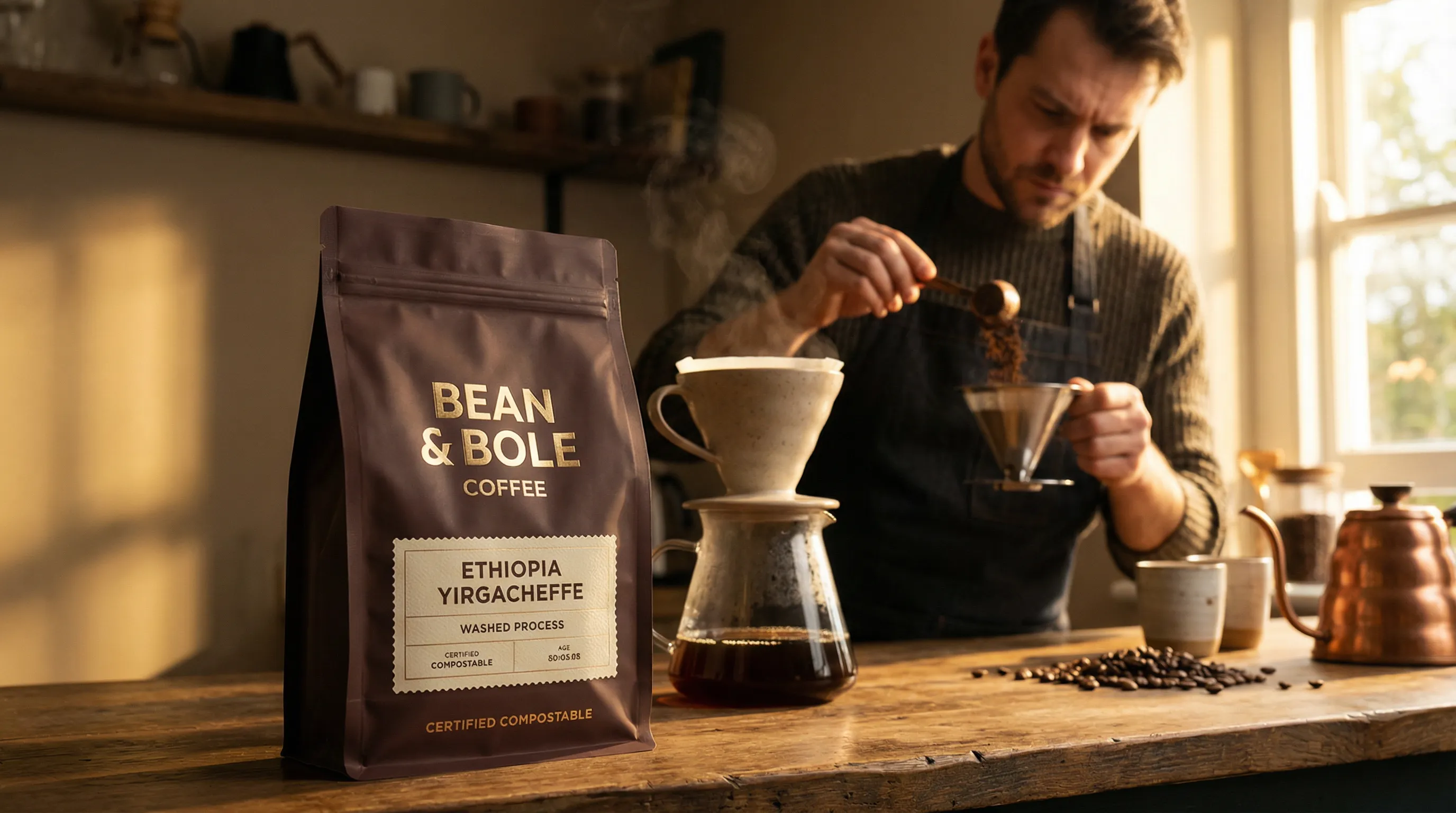
Coffee Roastery Case Study
How a specialty Seattle roastery shifted to 100% compostable bags without dropping speed.
Read Guide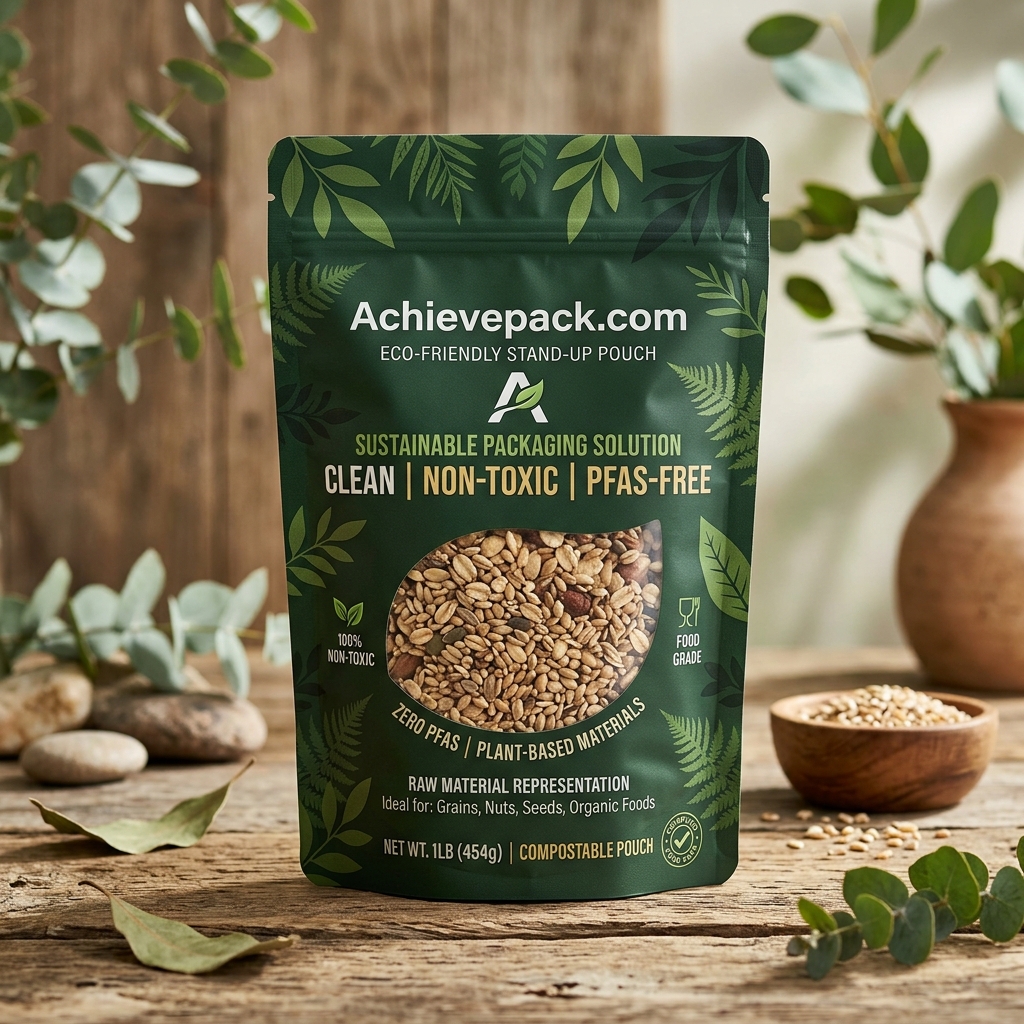
PFAS-Free Food Packaging
Ensuring compliance with local environmental acts by utilizing PFAS-free barriers.
Read Guide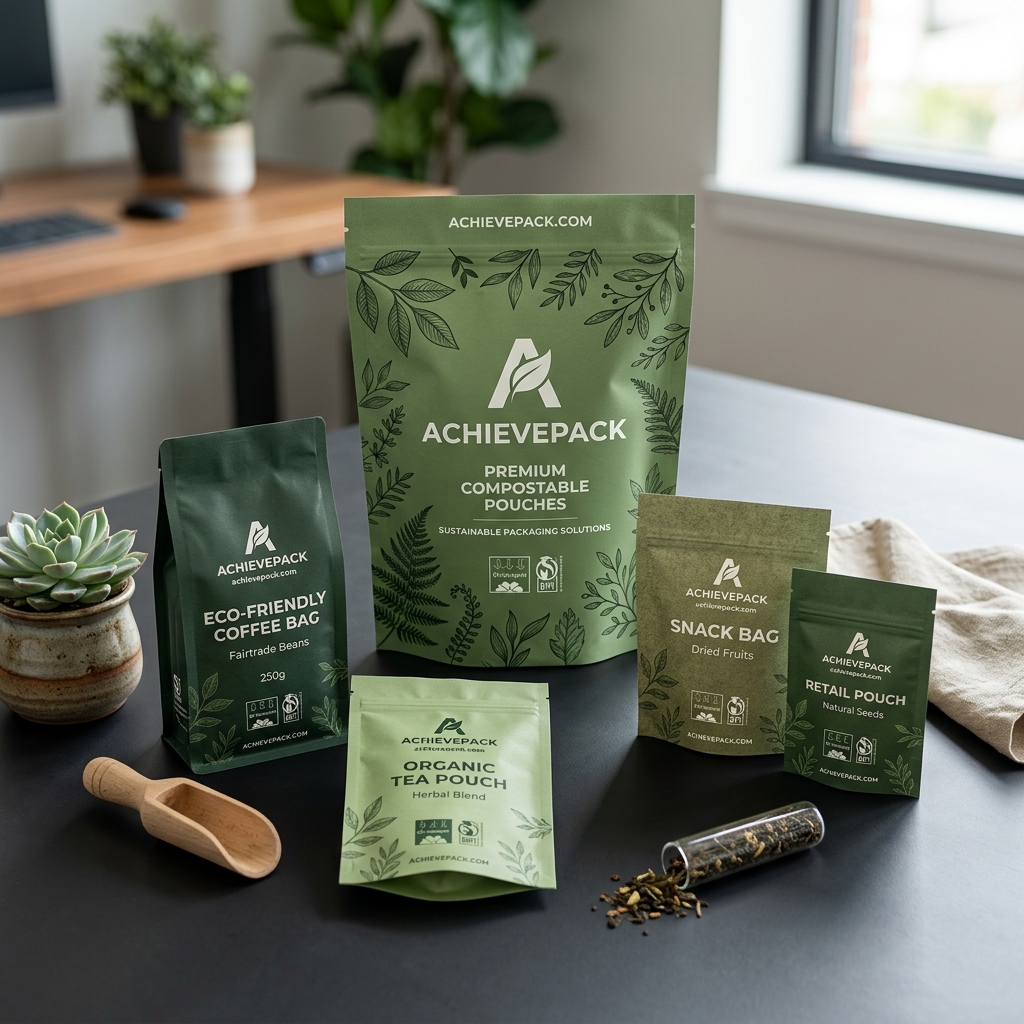
Startup Founder Solutions
Low MOQ, design support, and rapid prototyping workflows for launching products.
Read Guide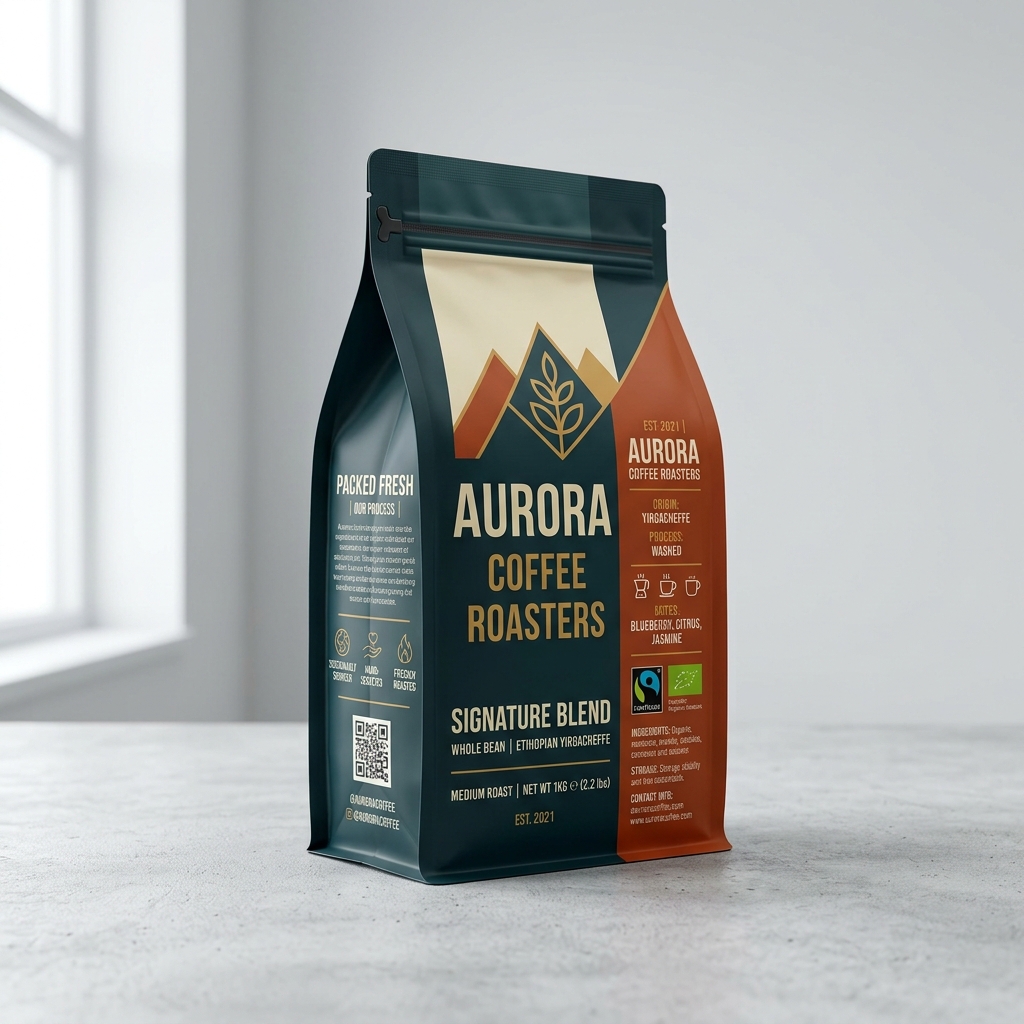
Flat Bottom Bags
Maximum stability with five printable panels, ideal for heavy coffee beans and dry pet food.
Read Guide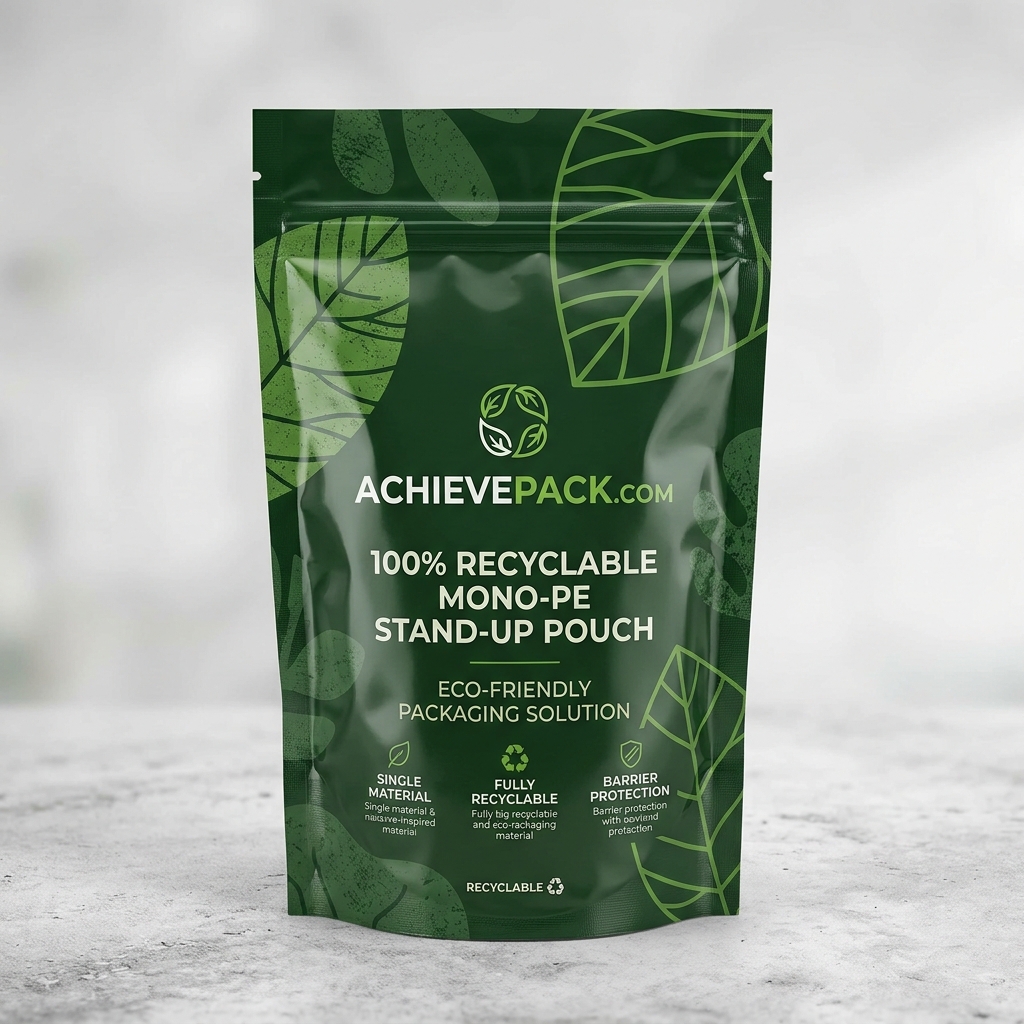
Mono-Material PE Guide
Technical deep-dive on single-polymer laminates that fulfill circular economy requirements.
Read Guide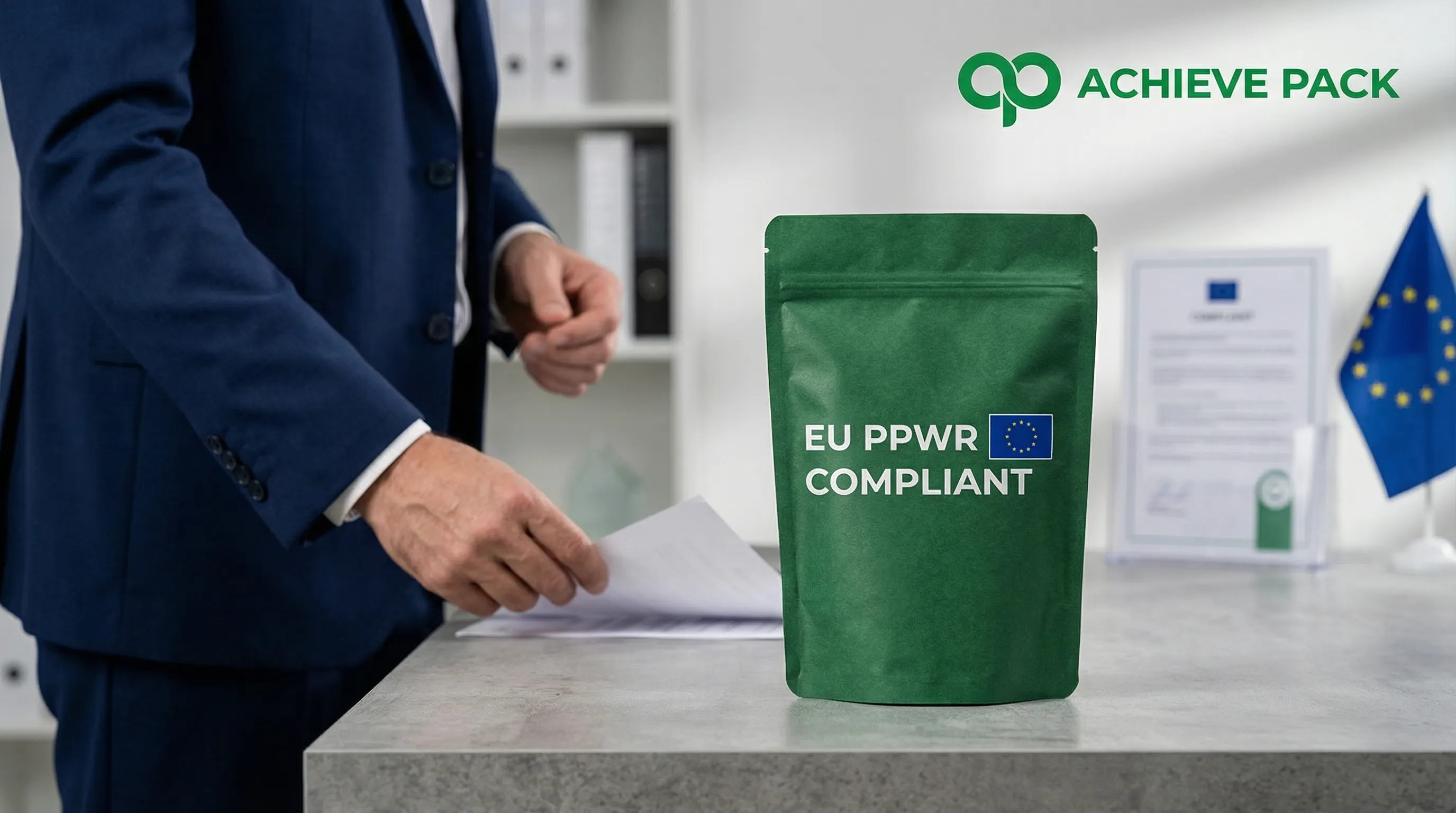
EU PPWR Compliance
Understanding the new European Union packaging regulations and recycling requirements.
Read Guide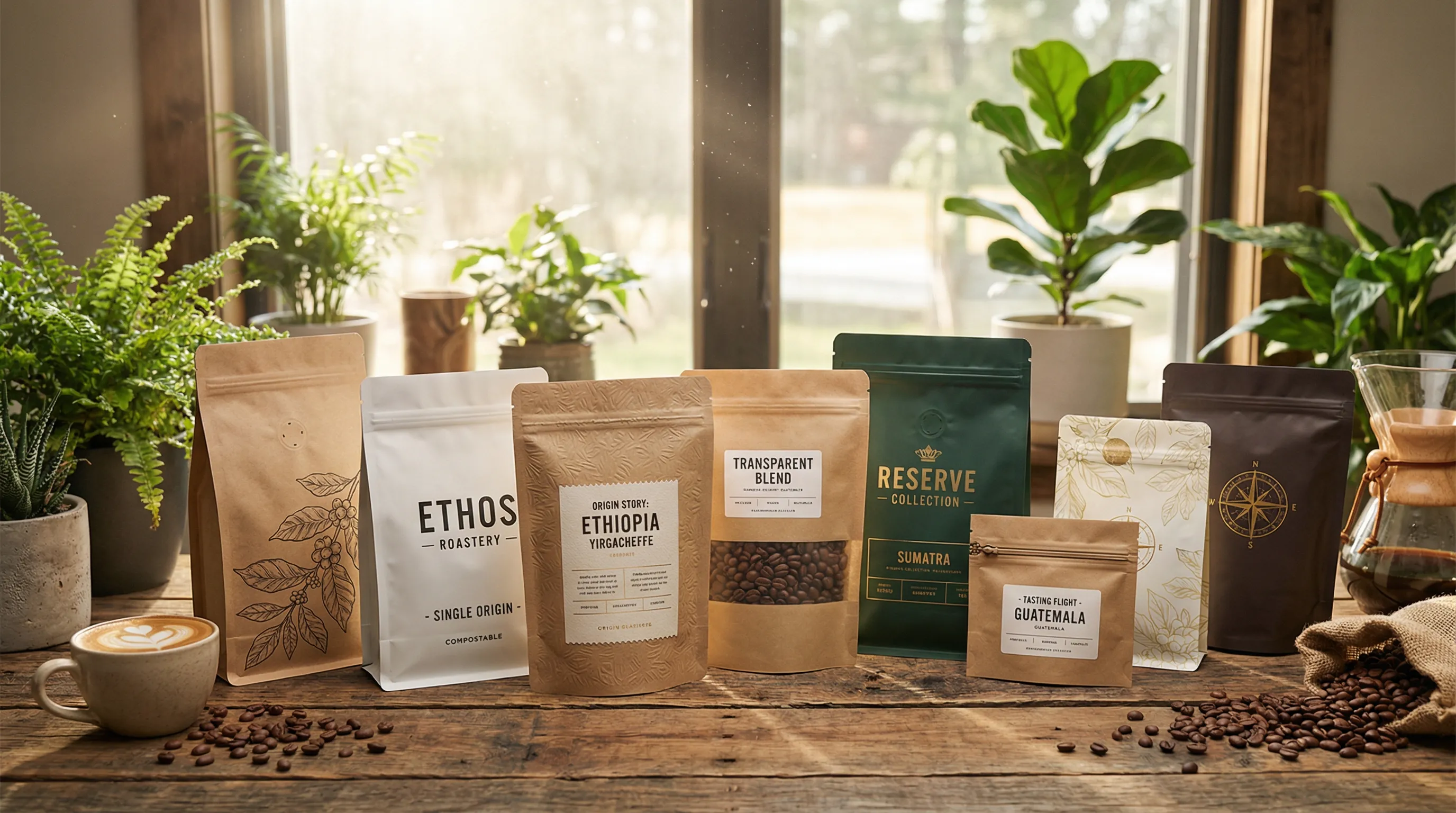
USA Coffee Bags Market
US retail trends in organic specialty coffee packaging and eco-friendly packaging rules.
Read Guide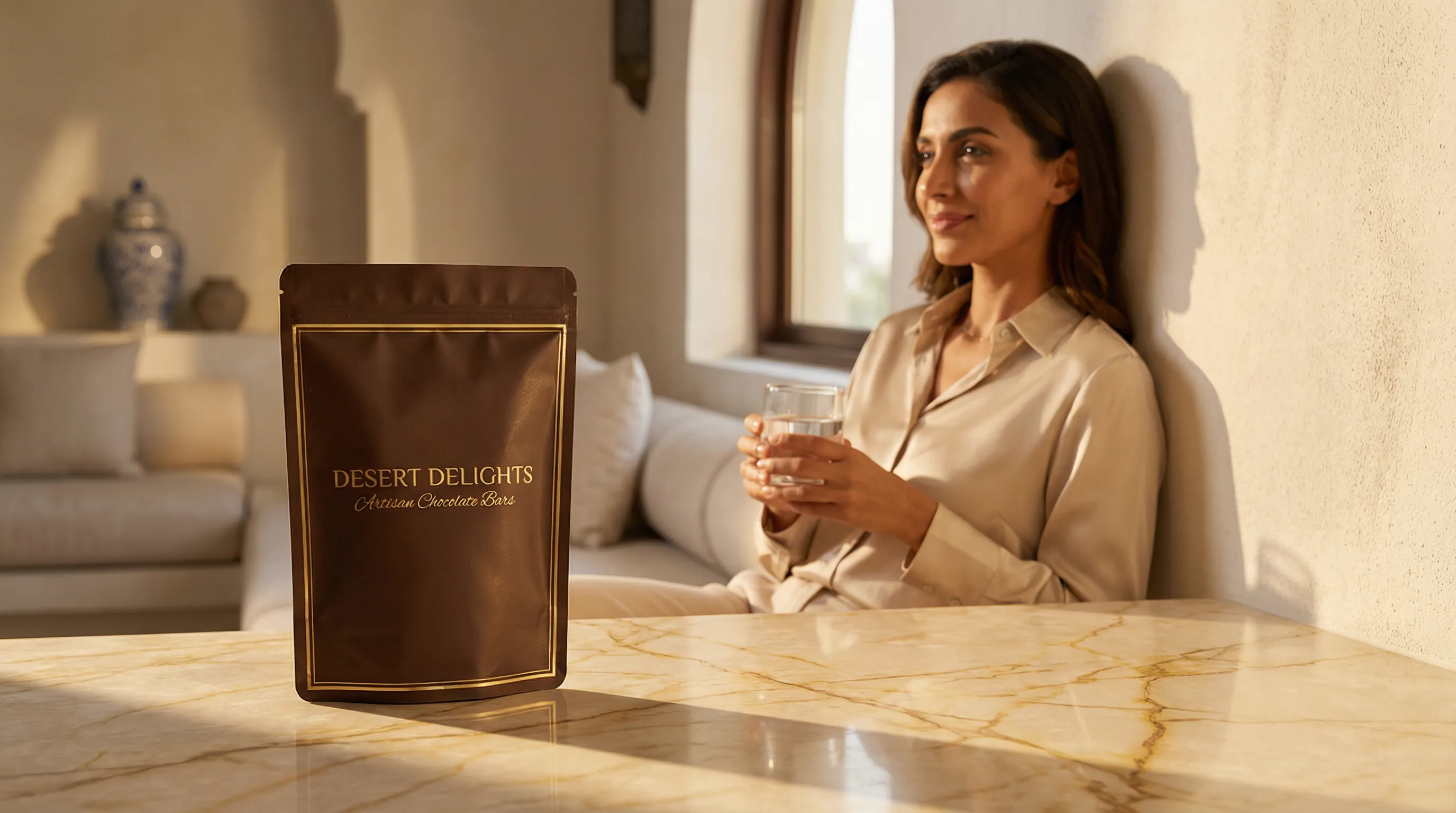
Chocolate Brand Case Study
Eco-luxe chocolate brand showcases premium rigid box and compostable pouch designs.
Read Guide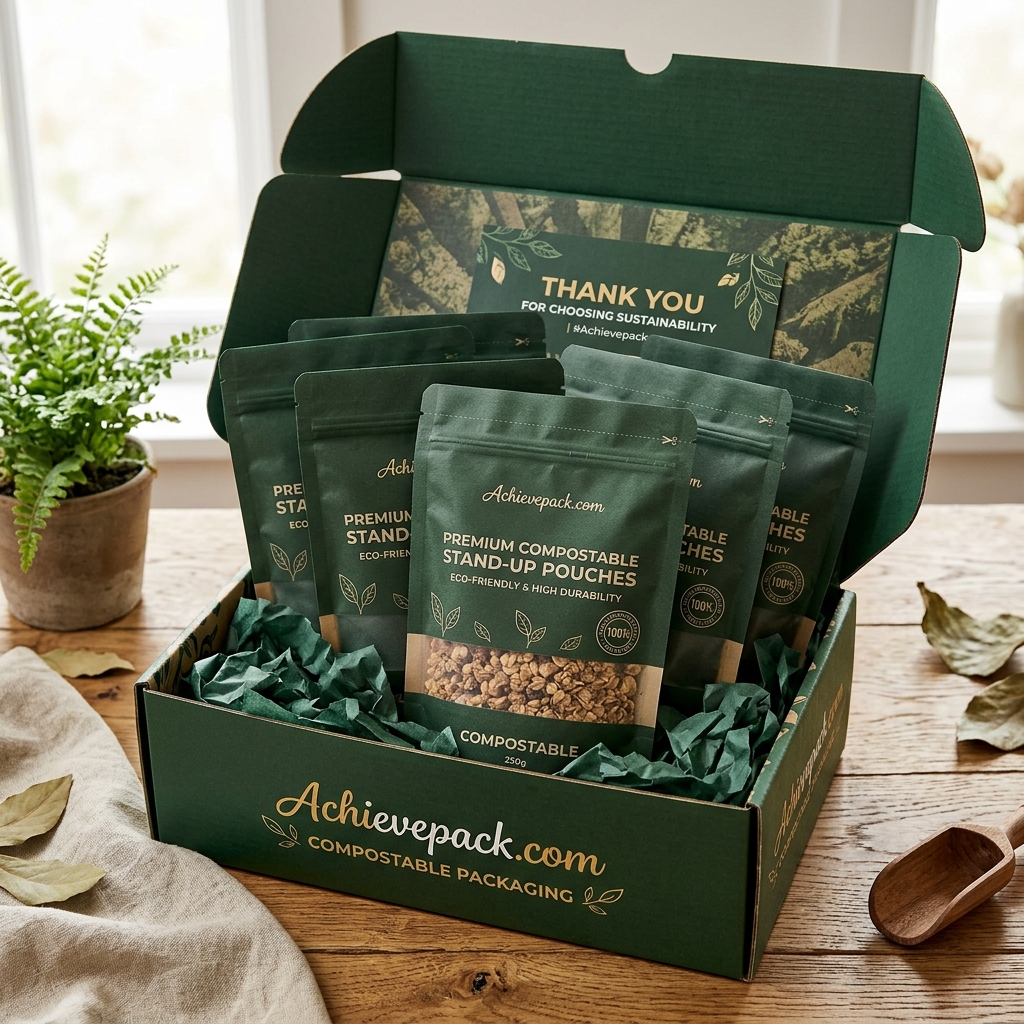
Ecommerce Brand Packaging
Optimizing mailers, shipping boxes, and secondary pouches for D2C transit safety.
Read Guide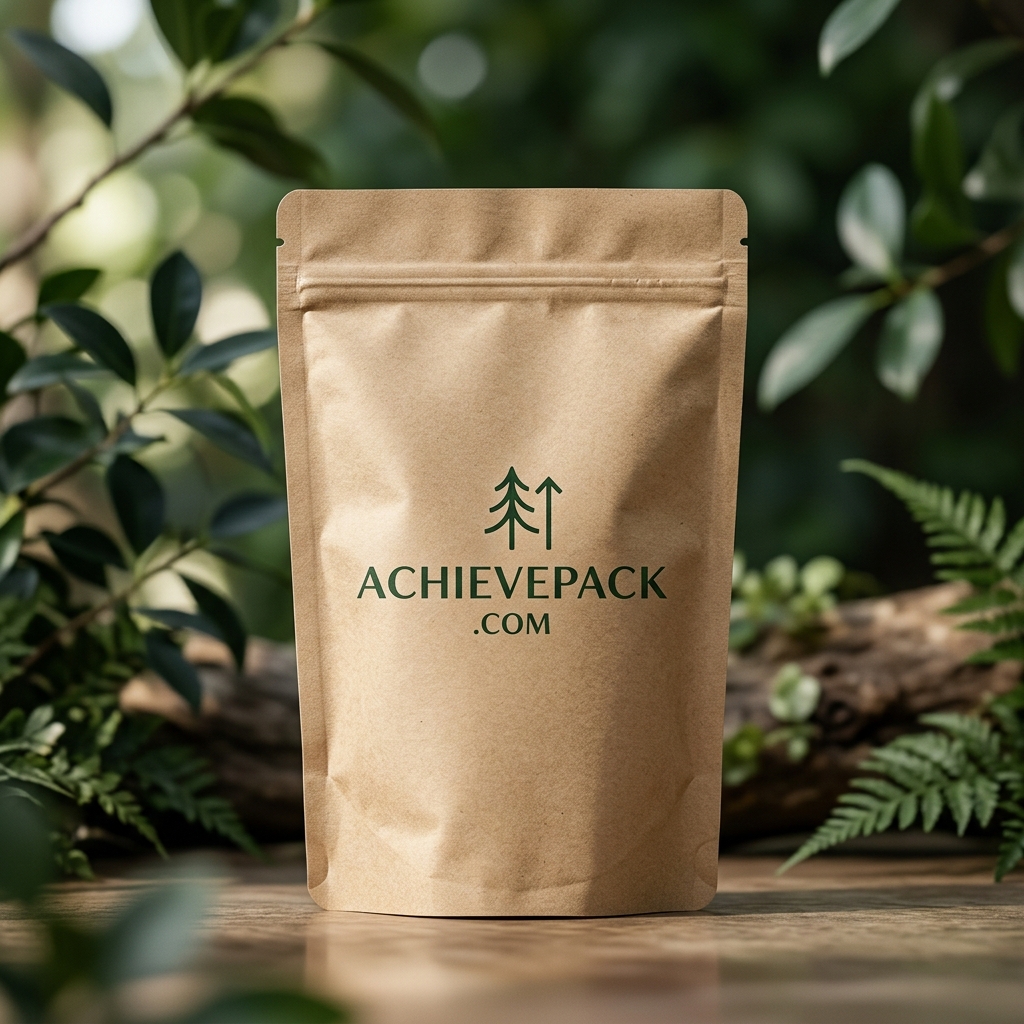
Minimalist D2C Branding
Designing clean packaging layouts that reduce ink waste and capture consumer interest.
Read Guide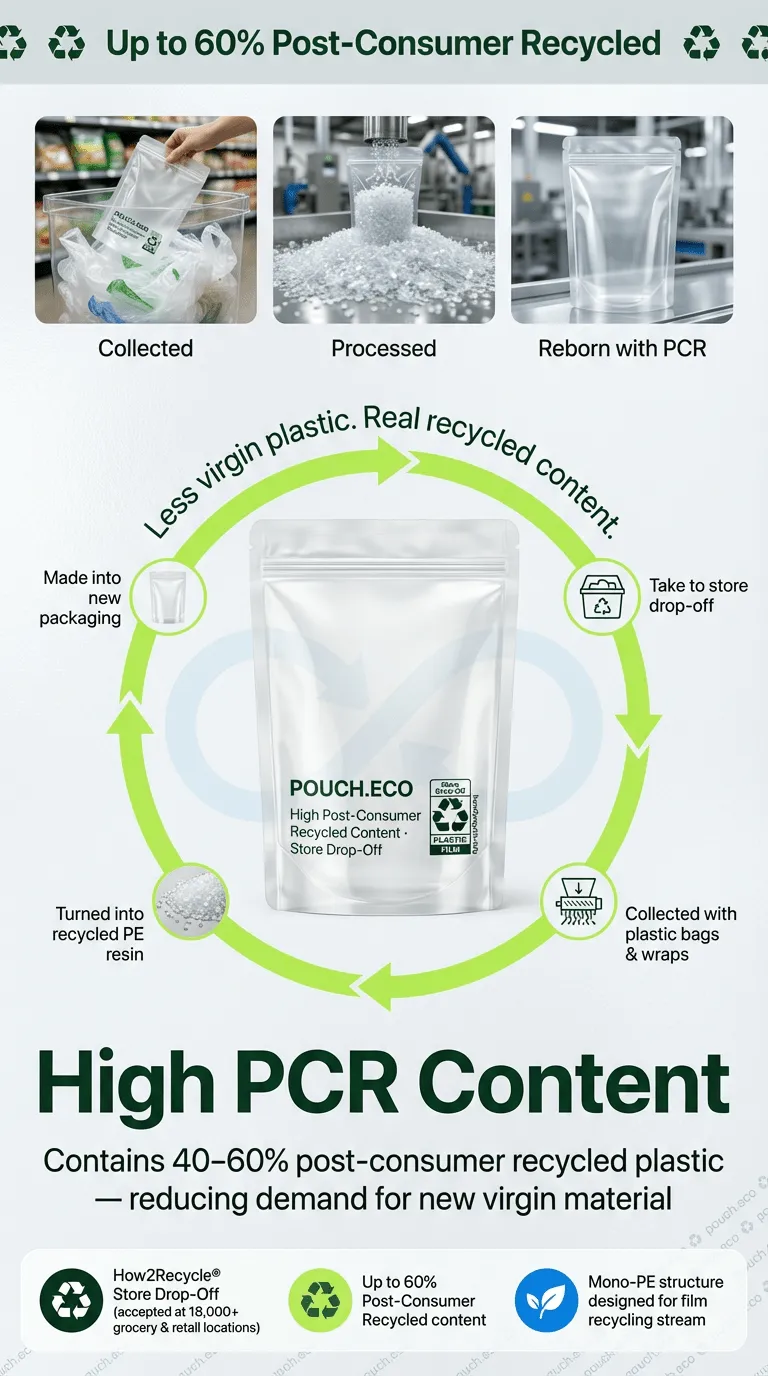
Post-Consumer Recycled
Reusing plastic ocean waste and curbside recyclables to fabricate premium composite barrier films.
Read Guide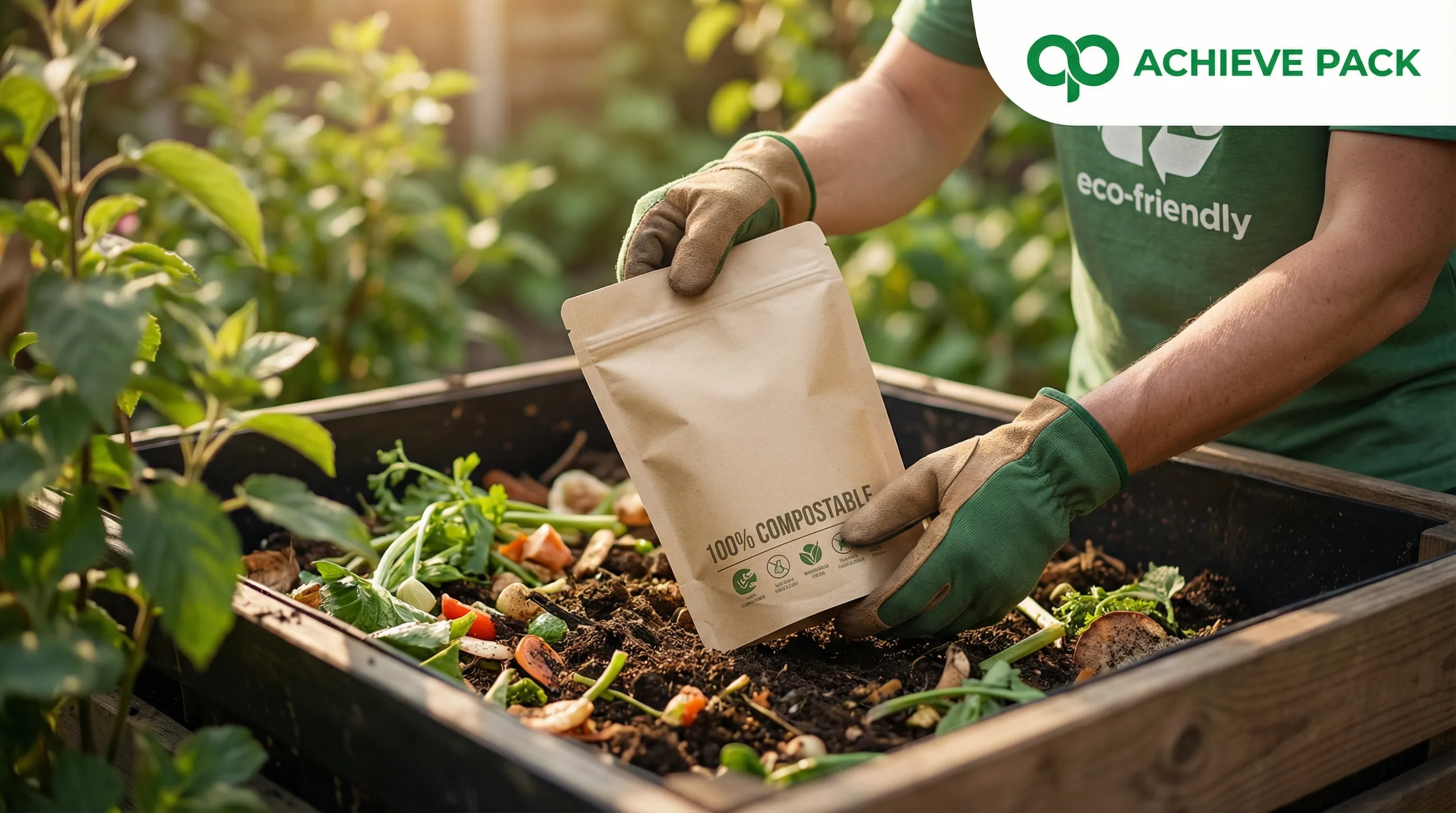
Foil Stamping Recyclability
Assessing the impact of hot and cold foil stamping on paperboard and plastic recycling.
Read Guide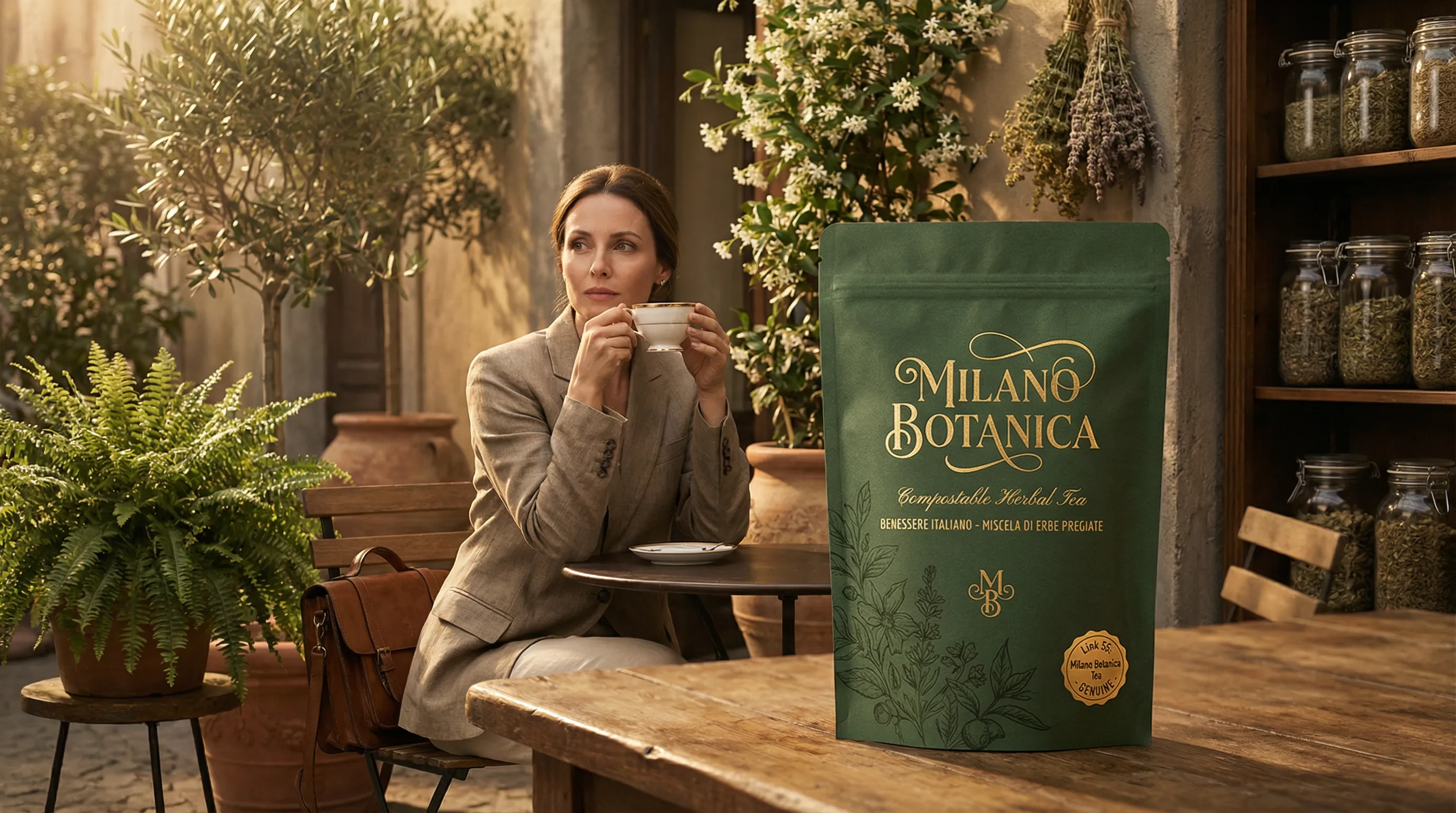
Tea Brand Case Study
Transitioning to plastic-free kraft bags to align with clean label values.
Read Guide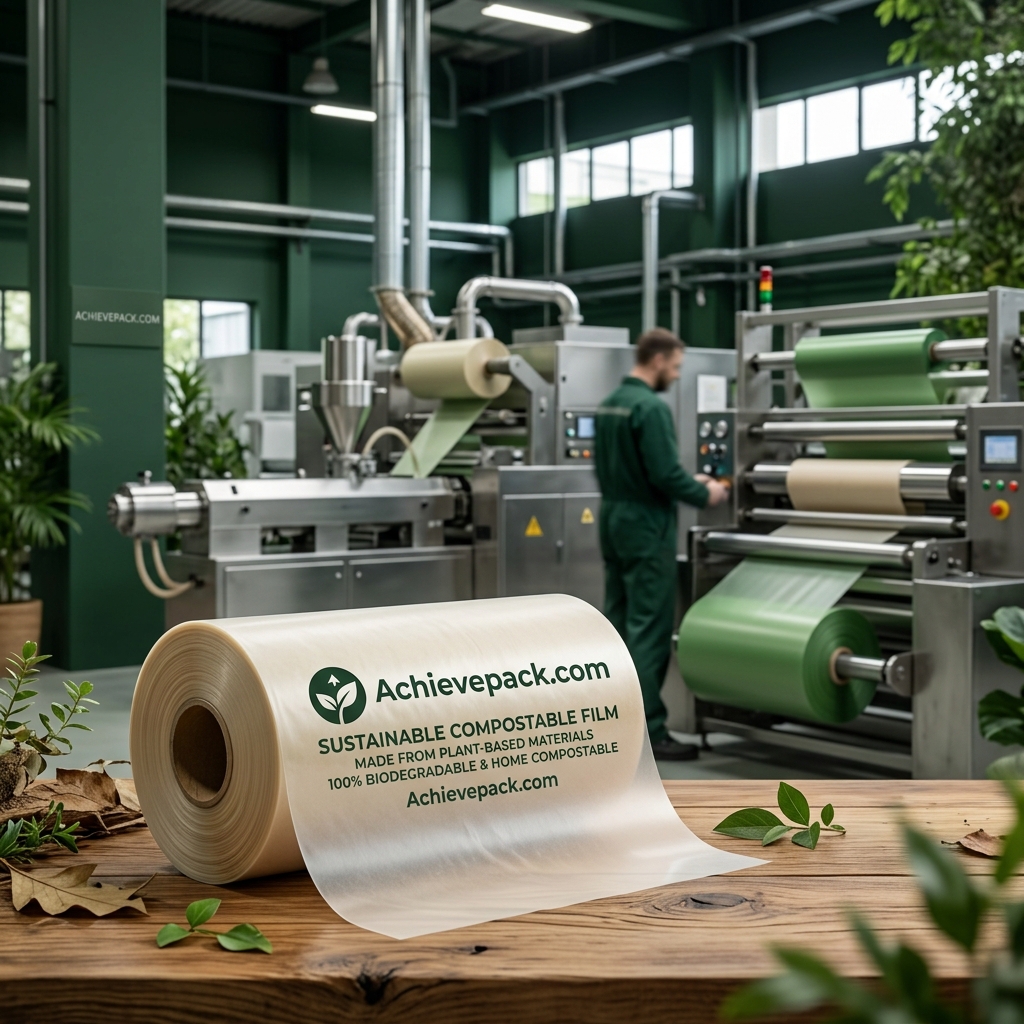
USA Compostable Standards
Guidelines on ASTM D6400 certification, BPI labels, and local state labeling mandates.
Read Guide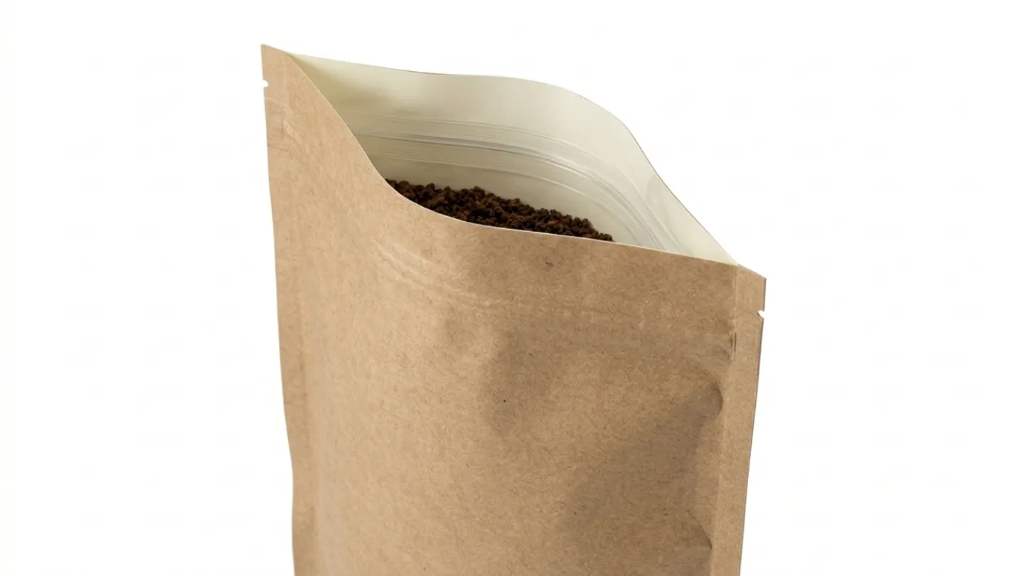
Compostable Zippers
How biodegradable press-to-close zippers preserve freshness without polluting composting streams.
Read Guide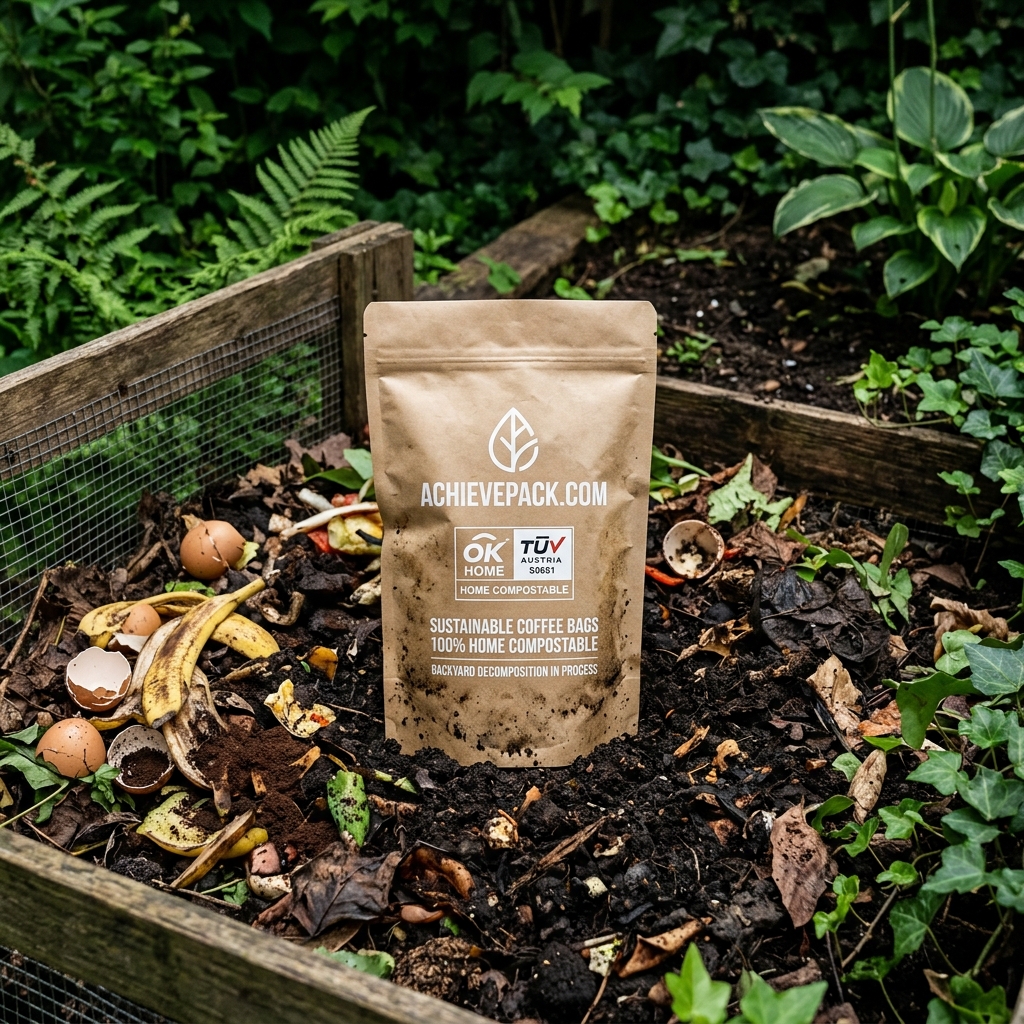
Home Compostable Coffee
Integrating plant-based degassing valves and compostable films to create home-friendly coffee bags.
Read Guide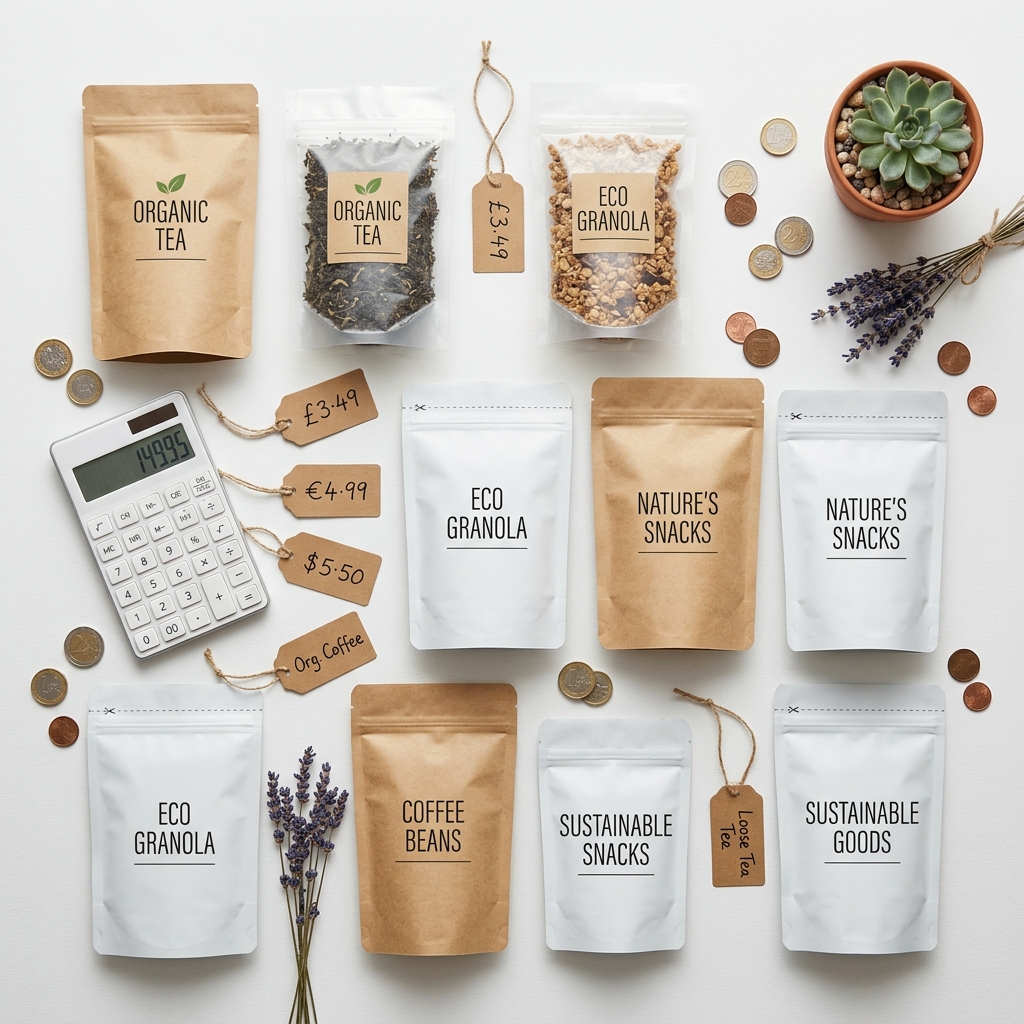
Packaging Cost Guide
Complete breakdown of plate charges, setup fees, material costs, and wholesale volume tiers.
Read Guide