What is a packaging Life Cycle Analysis (LCA)?
An LCA is a scientific study that calculates the total environmental impact of a package from raw material sourcing to manufacturing, shipping, and disposal.
Discover best practices and sustainable solutions.
An in-depth look at optimizing your packaging strategies.
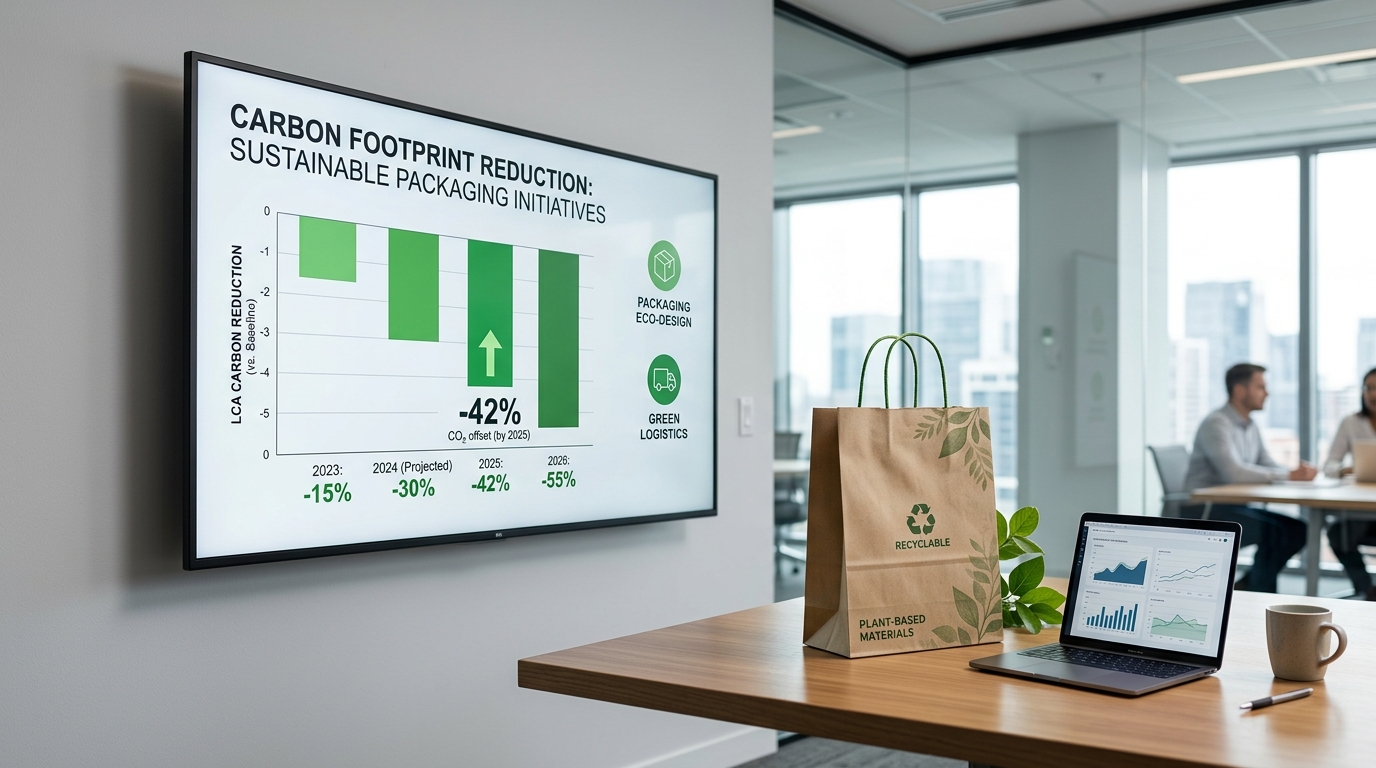
Learn more about this key packaging engineering topic.
"Everyone is asking brands to be 'sustainable,' but making claims without real data is terrifying in a world quick to call out greenwashing. You want to show your customers that you care, but knowing exactly how much carbon your packaging emits feels like you need a PhD in environmental science. I've worked with sustainability officers who were overwhelmed trying to calculate their scope 3 emissions. By providing a verified Life Cycle Analysis and printing those actual carbon savings on the bag, you turn environmental compliance into your strongest marketing tool."

Ryan Wong
Chief Packaging Engineer, Achieve Pack
This section outlines the primary methodology and engineering behind this packaging technique.
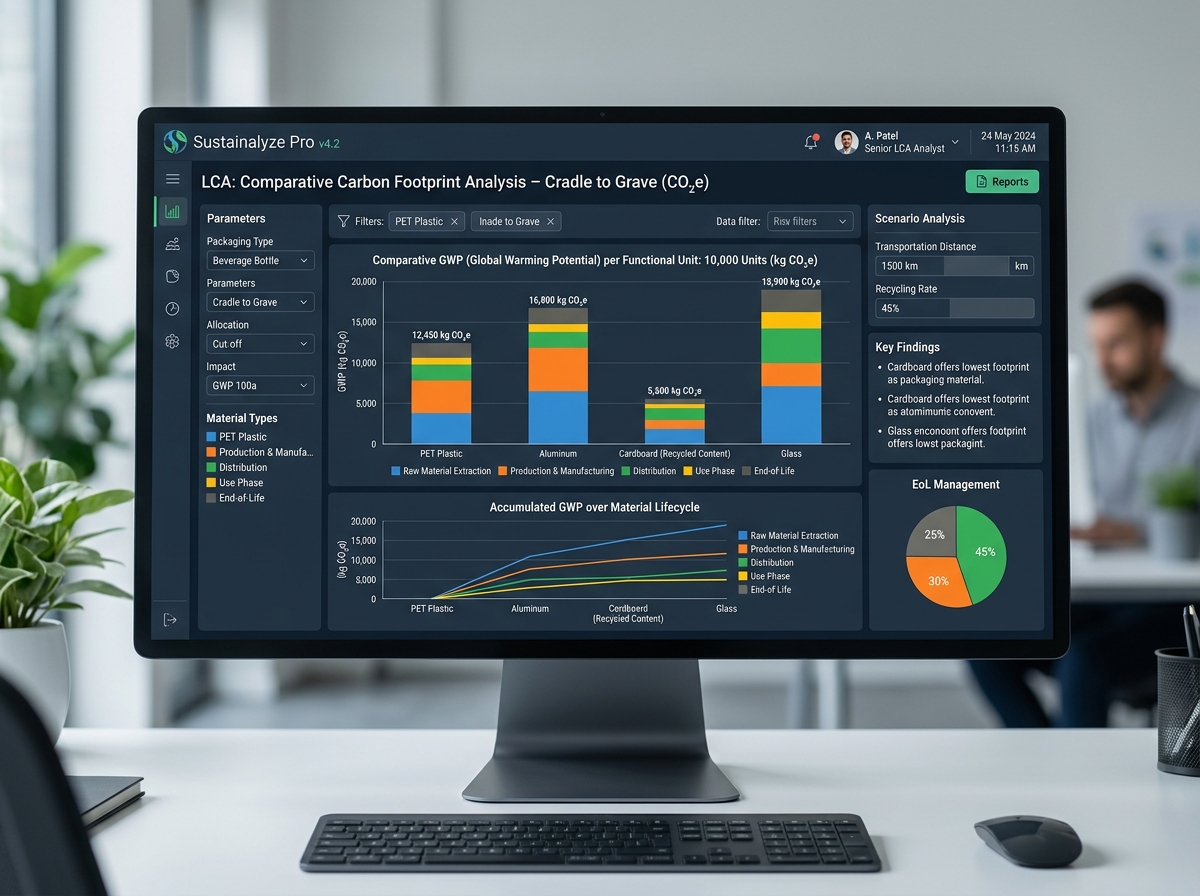
High-resolution visual demonstration showing material and structural features of the package.
// CHIEF PACKAGING ENGINEER JOURNAL entry
"Improved efficiency, reduced costs, and sustainable outcomes for modern brands."
100% Prepress Calibration Guaranteed
Using unverified terms like "eco-friendly" can lead to greenwashing accusations and regulatory fines.
Producing rigid glass or HDPE packaging consumes significant energy, increasing your carbon footprint.
Heavy, bulky packaging increases transport weight and fuel consumption, raising logistics emissions.
Packaging that ends up in landfills increases overall environmental impact and carbon scores.
Failing to share your sustainability data with consumers can reduce brand trust and sales.
Compare energy use, shipping weight, and carbon emissions between packaging types:
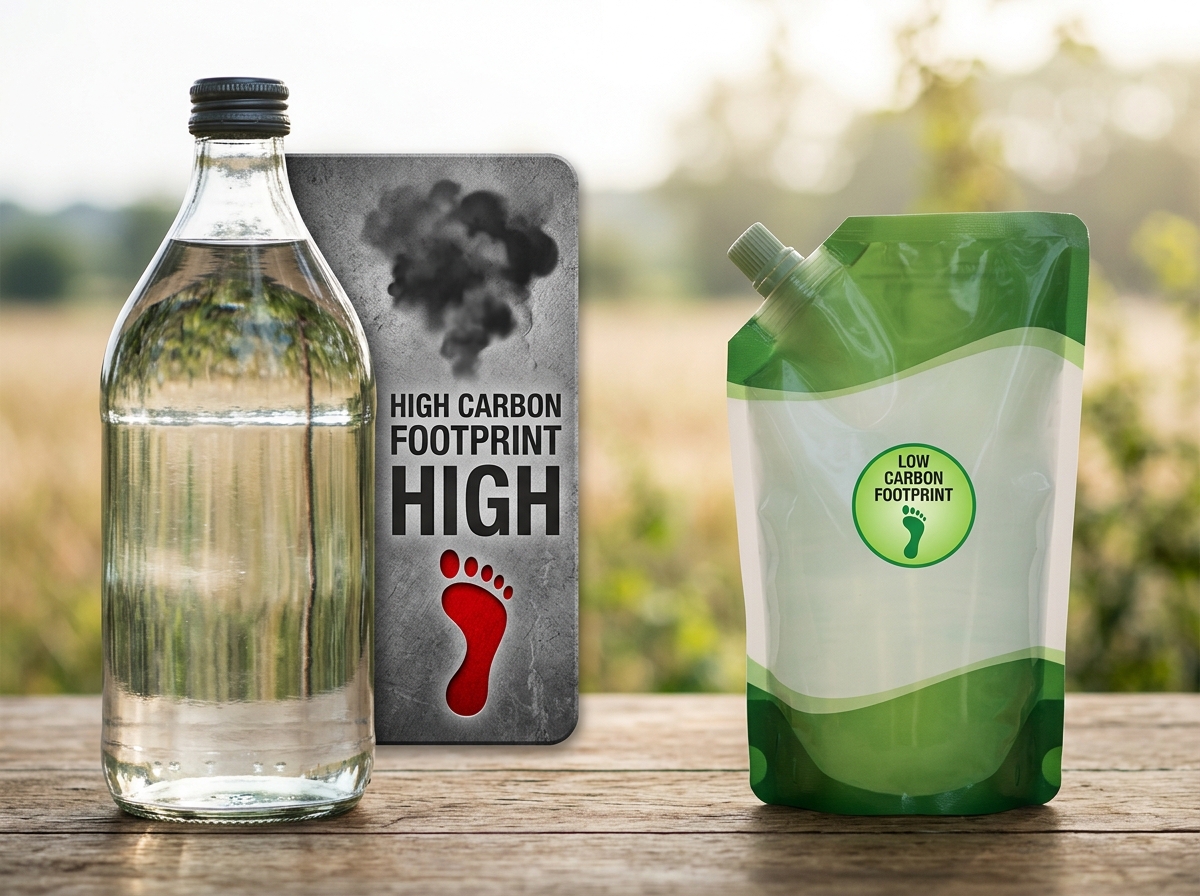
Visual packaging engineering representation comparing materials, barriers, or sealing methods.
| Parameter | Standard Specifications | Eco-Engineered Specifications |
|---|---|---|
| Material Barrier Thickness | 80 Microns (Mixed laminates) | 120 Microns (Mono PE / Plant-Based) |
| Oxygen Transmission Rate (OTR) | 1.5 cc/m²/24hr (Standard) | Near Zero (<0.05 cc/m²/24hr) |
| EPR Modulated Tax Level | Maximum tier surcharges | Lowest modulated tax brackets |
An LCA is a scientific study that calculates the total environmental impact of a package from raw material sourcing to manufacturing, shipping, and disposal.
They use less plastic material, require less energy to make, and pack flat during transport, which significantly reduces shipping emissions.
Yes. We provide verified carbon emission calculations that you can print as text or QR codes directly on your bags to build consumer trust.
Our general quality management system guarantees that every packaging batch meets international safety requirements. We perform rigorous mechanical, thermal, and barrier tests from raw materials to final shipping pallets to ensure complete peace of mind.
Gas transmission rate tests verify material specification sheets.
Zero chemical odor or harmful heavy metal contamination.
Verifies strong and secure heat seal seams for leak prevention.
Strict quality logs maintained for traceability of every batch.
Simulated shipping tests ensure packages arrive in pristine condition.
Film properties optimized for smooth packaging line operation.