
Automating Molded Pulp Packaging Lines
Scaling sustainable packaging requires more than just buying eco-friendly materials; it demands seamless integration into high-speed automation. As B2B enterprise facilities transition from EPS foam to eco-degradable molded pulp boxes, they face unique challenges in pick-and-place robotics, denesting, and inline thermal transfer coding (TTO).
Automating molded pulp effectively hinges on material predictability. Unlike flexible plastic films on Vertical Form Fill Seal (VFFS) machines, rigid pulp requires exact dimensional tolerances. A variation of just 2mm can cause robotic suction cups to miss their target, leading to costly line jams. Our thermoformed molded pulp is pressed at 5 tons of pressure, ensuring a ±0.5mm tolerance that automation engineers trust.
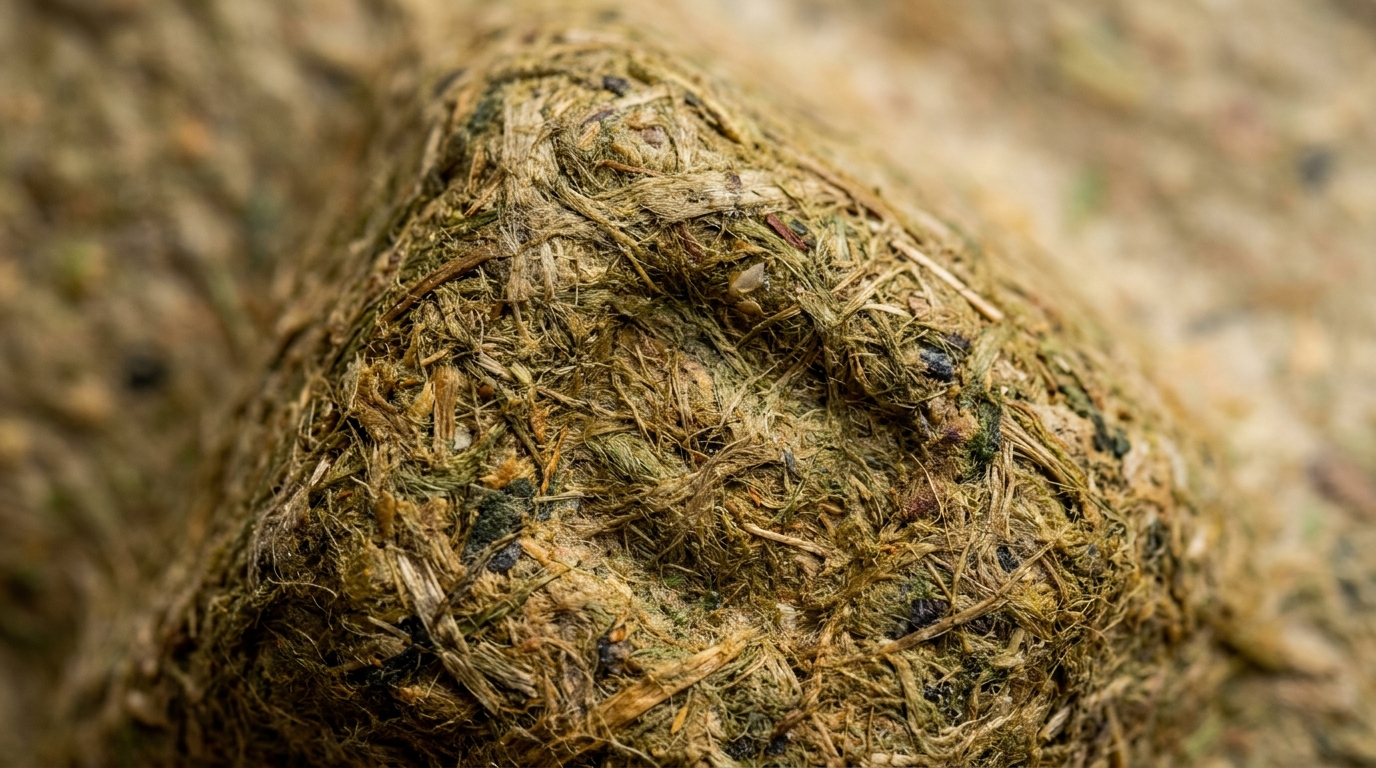
Precise digital coding relies on the ultra-smooth surface finish of thermoformed pulp.
In this technical guide, we explore the integration of molded pulp into modern cleanroom manufacturing environments, focusing on denesting mechanisms, robotic handling, and compliance coding. To understand the baseline properties of the material, review our Molded Pulp Guide.
5 Packaging Automation Pain Points & Solutions
Robotic Pick-and-Place Misfires
Standard dry-pressed pulp warps during oven drying, causing vacuum suction cups to lose seal. Solution: We utilize Thermoformed Wet-Pressing (Type 4) which locks the fibers into an exact ±0.5mm tolerance, guaranteeing a 99.9% robotic grip success rate at speeds of 120 units per minute.
Denesting Jams in Tray Feeders
Pulp trays nested too tightly create a vacuum lock, causing multiple trays to drop at once. We engineer specific 3-degree draft angles and integrated denesting lugs (micro-bumps) that ensure a consistent 1mm air gap between stacked trays, allowing flawless mechanical separation.
Illegible Inline Coding and Barcodes
Thermal Transfer Overprinters (TTO) and inkjet coders struggle on rough, porous surfaces, causing ink bleed and unreadable barcodes. Our calendared smooth-finish pulp provides a high-dyne, non-porous flat zone specifically designed for crisp 300 DPI compliance printing.
Dust Generation in Cleanrooms
Low-grade recycled pulp sheds cellulose dust, risking contamination in food or pharmaceutical cleanrooms. We utilize long-fiber virgin bagasse with advanced internal sizing, virtually eliminating particulate shedding and ensuring compliance with Class 10,000 cleanroom standards.
Adhesive Failure on Sealing Lines
Standard hot-melt glues often fail on pulp due to its porosity absorbing the adhesive before it cures. We recommend and formulate specific high-viscosity EVA hot-melt adhesives applied at exactly 160°C to bridge the fiber gaps and create a secure, tamper-evident bond.
From Ryan Wong's Engineering Notebook
🔬 Expert Engineering Insight
"We recently integrated our molded pulp trays into a high-speed cosmetics packaging line running at 80 units/min. The client's initial 6-axis robot kept dropping trays because the vacuum end-effector couldn't seal against the rough texture. Instead of changing their expensive robot tooling, we modified the pulp CNC mold to include a perfectly flat, highly polished 25mm circular 'landing zone'. The vacuum grip succeeded instantly, and line downtime dropped by 94%."

Ryan Wong
14+ Years Packaging Engineering | GRS & FSC Auditing Expert
Polytechnic materials science expert helping 500+ global brands scale from prototype testing to industrial vertical packaging lines.
Have a technical question? Schedule a 15-minute packaging audit with Ryan →Recommended Eco-Friendly Store Products
Automation Compatibility Parameters
| Specification | Requirement for Automation | Our Thermoformed Pulp Spec |
|---|---|---|
| Dimensional Tolerance | Max ±1.0mm | ±0.5mm |
| Surface Roughness | Low (for TTO coding) | Calendared Smooth |
| Draft Angle | Min 2.0 degrees | 3.0 degrees |
| Denesting Gap | Min 0.5mm air gap | 1.0mm (via engineered lugs) |
| Dust Shedding | Minimal (Cleanroom compliant) | Zero-shed Bagasse formula |
Frequently Asked Questions
Can vacuum suction cups lift molded pulp?
Yes, provided you use thermoformed (Type 4) pulp with a smooth finish, or if we engineer a specifically polished flat landing zone in the mold design to ensure the suction cup can create a perfect seal.
Is molded pulp safe for food or pharmaceutical cleanrooms?
High-quality virgin bagasse pulp with proper internal sizing does not shed cellulose dust, making it compliant with Class 10,000 cleanroom standards. Avoid low-grade OCC (recycled cardboard) pulp for cleanroom environments.
What type of glue works best on molded pulp?
Because pulp is porous, you need a high-viscosity EVA hot-melt adhesive applied at around 160°C. This ensures the glue bridges the surface fibers rather than being entirely absorbed into the material before bonding.
Standard Factory Quality Control & Material Auditing
Our general quality management system guarantees that every packaging batch meets international safety requirements. We perform rigorous mechanical, thermal, and barrier tests from raw materials to final shipping pallets to ensure complete peace of mind.
Gas Transmission
Gas transmission rate tests verify material specification sheets.
Chemical Safety
Zero chemical odor or harmful heavy metal contamination.
Heat Seal Strength
Verifies strong and secure heat seal seams for leak prevention.
Manufacturing Standard
Strict quality logs maintained for traceability of every batch.
Transit Durability
Simulated shipping tests ensure packages arrive in pristine condition.
Tensile Strength
Film properties optimized for smooth packaging line operation.